6 Best Sweater Stones for Garment Care to Use
Restore your knitwear with our top 6 sweater stones. Learn how these effective tools remove pilling and extend the life of your favorite garments effortlessly.
Every knitter knows the heartbreak of spending weeks on a sweater only to see it sprout unsightly pills after a few wears. Pilling is a natural consequence of friction on short-staple fibers, but it doesn’t mean your hard work is ruined. With the right tools, you can restore your hand-knits to their original, pristine condition. Here are the best sweater stones and tools to keep your wardrobe looking fresh for years to come.
The Gleener Ultimate Fuzz Remover: Best Overall


The Gleener stands out because it isn’t just one tool; it’s a modular system designed for different fabric weights. It features three interchangeable edges, each tailored to handle everything from heavy, chunky wools to delicate cashmere blends.
If you have a closet full of various gauges, this is the most versatile investment you can make. The edges are specifically engineered to lift pills without snagging the delicate structure of your stitches.
The main tradeoff here is the manual effort required, as it relies on your steady hand rather than a motor. However, this gives you total control, which is essential when working with expensive, hand-dyed yarns.
D-Fuzz-It Fabric Comb: Best Portable Option

Small enough to tuck into your knitting project bag, the D-Fuzz-It comb is a classic for a reason. It is incredibly simple, consisting of a fine-toothed metal screen that acts like a gentle rake for your fabric.
This is my go-to tool for quick touch-ups on the go, especially when traveling to fiber festivals or knit nights. It works best on dense, felted, or tightly spun wools that can handle a bit of surface tension.
Be careful with loose, airy mohair or brushed fibers, as the teeth can catch on the halo. Always test a small, inconspicuous area—like the inside of a hem—before tackling the front of your sweater.
Lily Fabric Shaver and Lint Remover: Best Value
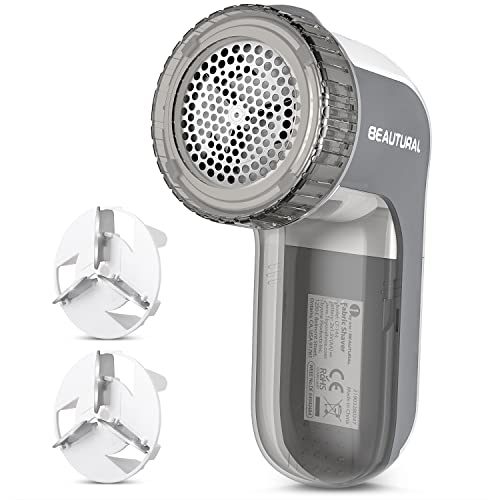
The Lily tool is a straightforward, no-nonsense solution that focuses on efficiency. Its design is reminiscent of traditional pumice stones but refined for textile care, making it effective at grabbing loose fibers that other tools miss.
It is an excellent choice for knitters who are just starting their journey and don’t want to break the bank. It excels at removing pills from rustic, woolen-spun yarns that naturally have a bit more texture.
Because it is a manual tool, it won’t run out of batteries or have a motor burn out. It is a reliable, low-tech companion that will last as long as you keep it clean and dry.
Clothes Doctor Cedar Wood Comb: Best Sustainable

For the environmentally conscious knitter, the Clothes Doctor cedar comb is a beautiful, plastic-free alternative. It utilizes the natural properties of cedar wood and a fine metal mesh to groom your garments.
Cedar is naturally moth-repellent, which adds a nice layer of protection to your woolens while you work on them. It feels substantial in the hand and offers a much more tactile experience than plastic tools.
This tool is particularly well-suited for high-quality natural fibers like merino or alpaca. It is gentle, effective, and fits perfectly into a sustainable, slow-fashion mindset.
Steamery Stockholm Fabric Shaver: Best Premium

The Steamery shaver is the gold standard for those who want a professional-grade finish with minimal physical exertion. Its sleek design and powerful motor make quick work of even the most stubborn pilling.
If you have a large collection of hand-knits that see heavy rotation, the time-saving benefits are significant. It creates a smooth, uniform surface that makes older garments look almost brand new.
The cost is higher, and you are reliant on a battery, which is a trade-off for the convenience. It is best reserved for your most prized, time-intensive projects that deserve a premium level of care.
Conair Fabric Shaver and Defuzzer: Best Electric

Conair has become a household name in garment care because their electric shavers are consistent and widely available. They use a rotary blade system that shears off pills cleanly from the surface of the fabric.
This is a great option if you have a large volume of garments to maintain and want a fast, automated process. It is highly effective on synthetic blends and superwash wools that are prone to surface fuzz.
Always use a light touch with electric shavers; if you press too hard, you risk cutting the actual yarn plies. Keep the blades clean of lint buildup to ensure the motor continues to run smoothly.
How Sweater Stones Work on Natural Wool Fibers
Sweater stones work by using a porous, abrasive surface to grip the loose, tangled fibers we call "pills." As you drag the stone across the fabric, the friction catches these fibers and pulls them away from the main structure of the knit.
Natural fibers like wool, alpaca, and cashmere are prone to pilling because of their microscopic scales. These scales can interlock when rubbed together, creating small balls of fiber that cling to the garment’s surface.
A good stone removes these balls without pulling at the structural integrity of the stitches. It essentially "grooms" the fabric, aligning the fibers and restoring the original look of the yarn.
Proper Technique for Removing Pills Safely
The most important rule is to lay your garment completely flat on a firm surface, like a blocking mat or a table. Never try to de-pill a sweater while you are wearing it, as you cannot maintain the necessary tension.
Use short, gentle, unidirectional strokes rather than scrubbing back and forth. You are looking to lift the pills, not abrade the fabric itself.
- Start with light pressure.
- Work in small sections.
- Periodically brush away the removed fuzz to see your progress.
If you find that the tool is catching on the yarn, stop immediately. You may be using too much pressure or the wrong tool for that specific fiber weight.
When to Avoid Using Stones on Delicate Knits
Not all fibers are candidates for mechanical de-pilling. Highly delicate, loose-gauge knits—especially those made with mohair, silk, or angora—can be easily damaged by abrasive stones.
If your project has a significant "halo" (that fuzzy, ethereal look created by brushed fibers), a stone will destroy that effect. Instead, use a very soft brush to gently coax the fibers back into alignment.
Avoid using stones on intricate lace work or cables where the yarn is already under tension. The risk of snagging a stitch and creating a dropped loop is simply too high to justify the cosmetic improvement.
Maintaining Your Tools for Long-Term Garment Care
To keep your tools effective, you must keep them clean. Lint and dust accumulation can dull the edges of combs and clog the pores of stones, rendering them less effective over time.
For stone tools, you can occasionally rinse them with warm water and a drop of mild wool wash if they become clogged with fiber. Ensure they are completely air-dried before using them on your sweaters again.
For electric or metal tools, check the blades for debris after every use. A little bit of maintenance goes a long way in ensuring your favorite tools remain as reliable as the day you bought them.
Caring for your hand-knits is just as important as the knitting process itself. By choosing the right tool for the specific fiber and construction of your garment, you can ensure your hard work stays beautiful for years. Remember that patience is your best tool, and when in doubt, always start with the gentlest method possible. Happy knitting, and may your sweaters remain pill-free!