6 Best Sweater Bags For Finished Project Storage
Protect your knitwear with our top 6 sweater bags. These picks ensure your finished projects stay safe from moths, dust, and damage during long-term storage.
After spending months carefully selecting the perfect yarn and perfecting your gauge, the last thing you want is for a finished sweater to lose its shape or fall victim to pests. A dedicated storage bag is more than just a container; it is a vital tool for preserving the structural integrity of your hand-knit garments. Whether you are storing a delicate lace pullover or a heavy cabled cardigan, the right vessel makes all the difference. Here are the top six storage solutions that prioritize fiber health and long-term protection.
Della Q Maker’s Canvas Train Case: Best Overall
The Della Q Train Case feels like a professional toolkit designed specifically for the fiber artist who values structure. Its rigid frame ensures that your finished sweater isn’t crushed under the weight of other household items, maintaining the drape you worked so hard to achieve.


The interior layout is surprisingly spacious, allowing you to fold a bulky-weight sweater without creating harsh, permanent creases. Because it opens completely flat, you can easily inspect your garment for any stray ends or missed stitches before putting it into long-term storage.
While the price point is higher than a standard tote, the investment is justified by the durability of the waxed canvas. It provides a sturdy barrier against dust and debris, which are the primary enemies of long-term knit storage.
Cocoknits Maker’s Keep Project Bag: Best Ergonomics
Knitting is a physical practice, and the Cocoknits Maker’s Keep understands that your storage should be as intuitive as your workflow. The design is focused on accessibility, ensuring that you can retrieve your sweater without contorting your hands or snagging the yarn on zippers.
The ergonomic benefit here lies in the magnetic features and the soft, yet structured, materials. If you are prone to wrist fatigue, the lightweight nature of this bag means you aren’t adding unnecessary strain when moving your finished projects from a shelf to a display area.
It is an excellent choice for those who want to keep their knitting tools and their finished garments in one cohesive, easy-to-access ecosystem. Just be mindful that the open-top design is better for short-term display than long-term, airtight storage.
Fringe Supply Co. Field Bag: Best for Portability
The Fringe Supply Co. Field Bag is the gold standard for knitters who refuse to leave their projects behind. Its vertical orientation is brilliant for keeping a sweater upright, which prevents the "slumping" that can happen when a garment is shoved horizontally into a shallow drawer.
The canvas is thick and robust, meaning it can take a beating during travel without compromising the safety of your wool. The interior pockets are perfectly sized for holding blocking pins or a small bottle of wool wash, keeping your maintenance tools right where you need them.
If you are a commuter or a frequent workshop attendee, this bag offers the perfect balance of security and ease of use. The drawstring closure is reliable, though you should always ensure it is pulled tight to prevent moths from finding an entry point.
Namaste Maker’s Portfolio: Best for Organization
If you have a collection of finished sweaters that you rotate seasonally, the Namaste Maker’s Portfolio is your best friend. Its flat, sleek design allows you to stack sweaters like a library of fine textiles, which is ideal for preventing the weight of one garment from distorting the shoulders of another.
The internal dividers are a game-changer for those who want to keep swatches or extra yarn ends bundled with the corresponding sweater. By keeping your "recipe" (the yarn label and needle size notes) attached to the garment, you save yourself hours of frustration when it comes time to repair or replicate the piece.
This is a professional-grade solution for the knitter who treats their finished objects like heirloom pieces. It isn’t meant for carrying your daily work, but it is peerless for archival-style storage.
Twig & Horn Large Canvas Tote: Best for Durability
There is a simple, rugged honesty to the Twig & Horn Large Canvas Tote that appeals to the "workhorse" knitter. Made from heavy-duty cotton canvas, this bag is built to withstand years of use without fraying or losing its shape.
When you are storing a heavy wool-blend sweater that has been wet-blocked, you need a bag that can handle the weight without tearing. This tote’s reinforced stitching provides the necessary support to keep your heaviest projects secure and contained.
It’s a no-nonsense bag that focuses on function over flair. While it lacks the interior organization of a portfolio, its sheer capacity makes it the best choice for storing multiple sweaters in a single, protected location.
Tom Bihn Yarn Stuffer Bag: Best for Travel Safety

The Tom Bihn Yarn Stuffer Bag is a masterclass in utility, designed for those who need their storage to be as tough as a hiking pack. The fabric is highly resistant to moisture, which is a critical feature if you are traveling with your finished knits in unpredictable weather.
The "stuffing" design allows you to compress the air out of the bag, which is a clever way to save space in a suitcase. However, use this with caution; avoid compressing your knits for too long, as extreme pressure can flatten the loft of high-quality wool fibers.
This is the ultimate travel companion for the knitter who wants to ensure their work arrives at its destination in the exact condition it left the blocking board. It is rugged, reliable, and provides a level of environmental protection that standard cotton bags simply cannot match.
Why Proper Sweater Storage Prevents Fiber Damage
Many knitters spend weeks on a project only to store it in a way that invites disaster. Improper storage—such as hanging a wet-blocked sweater—will inevitably lead to stretched-out shoulders and a distorted hemline.
Gravity is a sweater’s worst enemy. Always fold your knits horizontally or store them in flat-lay bags to ensure the weight of the garment is distributed evenly across the fibers.
Furthermore, friction is a silent killer. When sweaters are packed too tightly together, the fibers rub against one another, leading to pilling and thinning. Give your knits room to breathe within their storage containers to maintain their original luster and stitch definition.
Essential Features to Seek in a Sweater Project Bag
When shopping for a bag, look beyond the aesthetic and focus on the mechanics of the material. A good bag should be sturdy enough to stand on its own, which prevents the bag from collapsing onto your garment.
- Breathable Fabrics: Natural fibers like wool and alpaca need airflow to prevent moisture buildup and mildew.
- Secure Closures: Zippers or heavy-duty drawstrings are essential to keep insects out.
- Structural Integrity: A rigid base or frame prevents the garment from bunching up.
- Size Versatility: Ensure the bag is large enough to hold the sweater without forcing it into a tight ball.
Avoid bags made of cheap, non-breathable vinyl or plastic, as these can trap humidity and create a breeding ground for mold. Your goal is to create a micro-climate that is dry, dark, and secure.
Breathable Materials vs. Plastic for Wool Storage
The debate between plastic and breathable storage often centers on convenience versus longevity. While plastic bins are cheap and transparent, they are notoriously bad for protein-based fibers like wool and silk.

Plastic traps moisture, and even a tiny amount of residual dampness from a recent wash can lead to a musty smell or even mildew. Furthermore, plastic can off-gas over time, potentially affecting the chemistry of delicate natural dyes.
Canvas, linen, and heavy cotton are the superior choices. These materials allow for a slow, consistent air exchange while still providing a physical barrier against dust. If you must use plastic for long-term storage, ensure the garment is 100% dry and include a desiccant pack to manage internal humidity.
How to Protect Finished Knits from Moth Infestation
Moths are the nightmare of every fiber artist, but they are preventable with consistent habits. Before storing any sweater, ensure it is perfectly clean, as moths are attracted to the oils, skin cells, and food particles that accumulate on sweaters during wear.
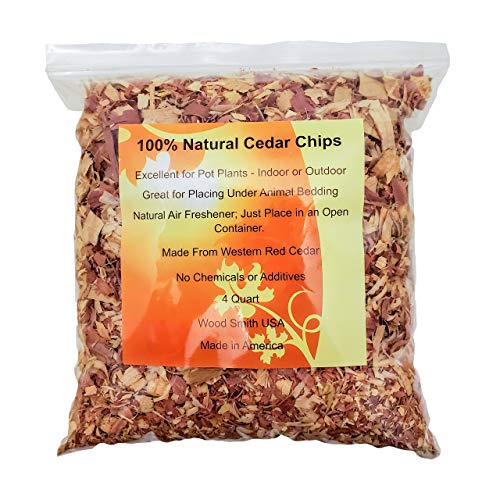
Cedar chips or lavender sachets are excellent natural deterrents that keep your storage smelling fresh. However, these are not foolproof; they mask odors rather than killing existing larvae.
The most effective strategy is a "quarantine" approach. If you suspect a garment has been exposed to pests, seal it in a plastic bag and place it in the freezer for at least 48 to 72 hours. This extreme temperature change is the only reliable way to kill moth eggs before they hatch and feast on your hard work.
Investing in high-quality storage is the final, essential step in the knitting process. By choosing bags that offer both protection and breathability, you ensure that your sweaters remain in pristine condition for years to come. Treat your finished knits with the same care you gave them on the needles, and they will reward you with a lifetime of warmth. Happy knitting, and may your sweater collection stay safe and beautiful.