
7 Best Blocking Boards For Baby Garments To Use
Discover the 7 best blocking boards for baby garments. Our guide helps you choose the perfect, gentle surface to ensure your handmade knits maintain shape.
Blocking is the final, transformative step that turns a collection of stitches into a professional-looking heirloom. For baby garments, which are often small and delicate, proper blocking is essential to ensure seams align and patterns pop. Choosing the right surface can make the difference between a frustrating afternoon and a relaxing finish to your project. Here are the tools that will help you achieve the perfect shape for your little one’s wardrobe.
Knitter’s Pride Knit Blockers: Best For Tiny Edges
These blockers are a game-changer when you are working with the miniature dimensions of baby booties or tiny bonnet brims. Instead of wrestling with dozens of individual T-pins, these plastic combs with embedded pins allow you to secure a long, straight edge in seconds.
The primary advantage is the consistent tension they provide across the fabric. By pulling the edge straight with a single blocker, you avoid the "scalloping" effect that happens when pins are spaced unevenly.
Keep in mind that these are quite sharp and can be aggressive on very delicate fibers like lace-weight mohair. Use them primarily for sturdier wools or cotton blends where you need to force a crisp, geometric shape into place.
Newby Leisure Foam Mats: Best For Large Projects


If you are blocking a full-sized baby blanket or a set of matching sweaters, standard small tiles might feel restrictive. These larger foam mats offer an expansive, uninterrupted surface that prevents you from having to "seam" your blocking board together.
The density of the foam is the real winner here. It is firm enough to hold a pin securely at an angle, which is critical when you are trying to stretch a garment to its final blocked dimensions without the pins popping out.
However, they do take up significant floor space. If you live in a small apartment, ensure you have a dedicated corner where these can sit undisturbed while your damp wool dries.
Clover Blocking Mats: Best For Precision Measuring

Clover mats are widely considered the gold standard for a reason: the grid lines are printed with remarkable accuracy. When you are knitting a baby sweater, symmetry is everything; a half-inch difference between sleeves is immediately obvious once the garment is worn.
The surface material is slightly grippy, which helps keep the fabric from sliding around while you are adjusting your pins. This is particularly helpful when working with slippery superwash wool, which tends to grow and shift when wet.
Don’t rely solely on the grid, though. Always keep a measuring tape handy to double-check your gauge and dimensions, as the mats are a guide, not a substitute for precise measurement.
Susan Bates Knit Chek Board: Best For Small Items
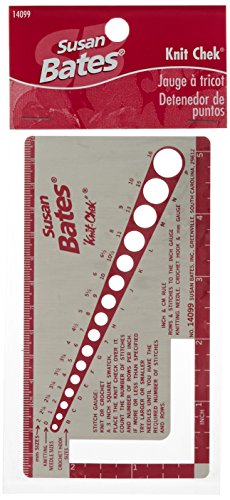
Sometimes you don’t need a full-blown blocking station for a pair of newborn socks. This compact tool is perfect for those quick, small-scale blocking jobs where you just need to set the stitch definition after a final soak.
It is essentially a portable, rigid surface that fits easily into a project bag. It is ideal for knitters who travel or those who knit while waiting in the car during school pickups.
While it lacks the surface area for garments, it is an excellent companion for checking your gauge before you even begin a project. It serves a dual purpose that makes it a staple in any well-stocked knitting kit.
Boye Interlocking Foam Tiles: Best Budget Option

You do not need to spend a fortune to get a professional result. These interlocking tiles are the workhorse of the knitting world, providing a modular system that grows with your needs.
Because they are modular, you can configure them into a long, narrow rectangle for scarves or a large square for blankets. They are lightweight, easy to store, and provide enough depth to hold standard pins firmly.
The tradeoff is that the edges can sometimes separate if you are blocking something that requires heavy tension. A simple trick is to place a heavy book or a weight on the seam where the tiles join to keep them locked together.
Cocoknits Knitter’s Block Kit: Best For Travel

This kit is designed for the knitter who values aesthetics and organization as much as function. It includes everything you need—mats, pins, and even T-pins—in a tidy, portable package that keeps your tools from getting lost.
The mats are made of a heat-resistant material, which is a massive bonus if you prefer to steam-block your projects. Steam-blocking is often safer for delicate baby fibers, as it avoids the heavy saturation of a full soak.
It is an investment piece, certainly. However, for a knitter who frequently attends retreats or swaps projects between rooms, the convenience and durability are well worth the price.
Mindful Collection Blocking Set: Best For Luxury

If you want a premium experience, this set delivers with high-quality materials and a thoughtful design. The mats are exceptionally dense, meaning they won’t degrade or crumble after years of pinning and unpinning.
The pins included in this set are often of higher quality, featuring smooth heads that won’t snag your yarn. When working with hand-dyed baby yarns or delicate silk blends, the last thing you want is a cheap, burred pin pulling a thread.
Think of this as an heirloom tool set. While it won’t necessarily make you a better knitter, it removes the friction and frustration that often comes with using subpar blocking equipment.
Why Blocking Matters For Delicate Baby Garments
Blocking is not just about making a garment look flat; it is about evening out the tension of your stitches. When you knit, your tension naturally varies, and blocking allows the fibers to relax and bloom into their final, uniform state.
For baby clothes, this is critical because it ensures the garment is soft and comfortable against sensitive skin. A well-blocked sweater will have consistent stitch spacing, which prevents tight spots that could potentially irritate a baby.
Furthermore, blocking helps set the shape of your increases and decreases. If you have spent hours knitting a delicate lace pattern on a baby dress, blocking is the only way to reveal the true beauty of the design.
Essential Tips For Blocking Wool And Cotton Blends
Wool is highly elastic and responds beautifully to moisture and heat, making it the easiest fiber to block. Cotton, however, has very little memory and can stretch out of shape if you are too aggressive with your pins.
- For Wool: Use a gentle wool wash, soak for 15 minutes, and gently squeeze out excess water in a towel. Pin to shape and let air dry completely.
- For Cotton Blends: Be careful not to over-stretch. Cotton is heavy when wet, so lay it flat and pat it into shape rather than pulling it tight.
- For Superwash: Remember that superwash wool can grow significantly when wet. Always check your gauge on a swatch before you block your final garment.
Always use rust-proof pins, especially when working with light-colored baby yarns. A single rusted pin can ruin a dozens-of-hours-long project in a matter of minutes.
How To Maintain Your Blocking Mats For Longevity
Your mats are going to get wet, so the most important maintenance step is ensuring they are completely dry before you stack them away. Trapped moisture can lead to mold or mildew, which is the last thing you want near your baby garments.
If you use foam tiles, avoid using harsh cleaning chemicals. A simple wipe-down with a damp cloth is usually sufficient to remove any lint or dust that accumulates over time.
Finally, be mindful of where you pin. Try to vary the spots where you insert your pins so that you aren’t constantly puncturing the same area of the foam. This will keep your surface smooth and functional for years to come.
Investing in a quality blocking surface is one of the kindest things you can do for your finished projects. By taking the time to properly shape your baby garments, you ensure they are as beautiful as they are functional. Remember that the best tool is the one that makes you feel confident and excited to finish your work. Happy knitting, and may your stitches always be even.
