
7 Best Wool Washes For Fiber Maintenance Worth Using
Extend the life of your knitwear with our top seven wool washes. Learn which gentle formulas preserve fiber integrity and keep your favorite garments soft.
Investing dozens of hours into a hand-knit garment means the lifecycle of that piece doesn’t end when you bind off the final stitch. Proper maintenance is the secret language of heirloom-quality knitwear, ensuring your tension remains consistent and your fibers stay supple for decades. Choosing the right wash is just as critical as selecting the perfect yarn weight or needle material for your gauge. Here are seven essential products that will transform how you care for your hard-earned projects.
Eucalan Delicate Wash: Best Overall for Wool Care
Eucalan has been a staple in my knitting bag for years because it simplifies the maintenance process without compromising fiber integrity. It is a pH-neutral, non-toxic formula that cleanses gently while conditioning the wool fibers.
The real magic here is that it requires no rinsing. When you are blocking a massive, heavy wool sweater, the last thing you want to do is manipulate the wet fabric under a faucet, which risks accidental felting or stretching.
Because it contains lanolin, it acts as a natural conditioner, keeping the wool soft and preventing it from becoming brittle over time. It is my go-to recommendation for beginners who are nervous about their first wash.
Soak Wash: Best No-Rinse Option for Daily Use
Soak is designed for those of us who want a quick, efficient way to refresh our garments without a lengthy process. It is incredibly effective for items that don’t need a heavy-duty deep clean, like a lightweight lace shawl or a pair of merino wool socks.
The formulation is very gentle, meaning it won’t strip the natural oils from luxury fibers like cashmere or alpaca. I often use this for items that I wear frequently and just need to freshen up between seasonal storage.
If you are sensitive to strong fragrances, they offer a scentless version that is perfect for those who prefer their knits to smell like nothing at all. It is the ultimate "set it and forget it" solution for the busy knitter.
Kookaburra Wool Wash: Best for Sensitive Skin
If you have ever experienced skin irritation from a newly washed sweater, Kookaburra is likely the solution you need. It is a tea-tree oil-based wash that is exceptionally gentle on both the fibers and the person wearing them.
Many knitters don’t realize that harsh detergents can leave chemical residues that react poorly with sensitive skin. Kookaburra’s natural properties help soothe the fibers while ensuring they are thoroughly cleaned of dust and body oils.
It is particularly useful if you are knitting for babies or children who have highly reactive skin. Just remember that it has a distinct, medicinal scent that lingers slightly, though it dissipates as the garment dries.
Unicorn Fibre Wash: Best for Deep Cleaning Fibers
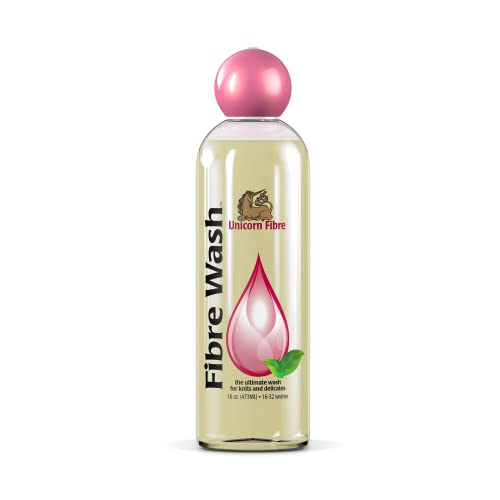

When you are working with raw fleece or vintage wool that has been sitting in storage for years, Unicorn Fibre Wash is the heavy lifter. It is formulated to tackle significant grime and heavy debris that standard washes might miss.
This is not necessarily for your daily wash, but it is essential for the "deep clean" phase of fiber maintenance. It excels at removing dirt and odors that seem baked into the yarn.
If you are a spinner or a restorer of vintage knitwear, keep a bottle of this on your shelf. It is powerful, so use it sparingly to avoid over-stripping the natural characteristics of the wool.
The Laundress Wool & Cashmere: Best Luxury Choice
When you have spent a small fortune on high-end cashmere or hand-dyed silk blends, you want a wash that feels equally premium. The Laundress provides a sophisticated, concentrated wash that feels like a spa treatment for your luxury fibers.
It is designed to protect the delicate scales of animal fibers, ensuring they don’t lose their luster or become matted. I reserve this for my most precious, intricate colorwork projects that I want to keep in pristine condition for years.
The price point is higher, but for high-stakes knitting, it is a worthwhile investment. It protects your labor of love against the wear and tear of time and friction.
Outback Gold Wool Wash: Best for Natural Lanolin

Outback Gold is a dream for those working with rustic, woolly yarns that need a bit of extra help staying soft. Because it is rich in natural lanolin, it replenishes the wool’s protective barrier after the cleaning process.
If you have a garment that feels a bit "scratchy" or dry, a soak in this solution can significantly improve the hand of the fabric. It essentially mimics the natural state of the sheep’s fleece.
It is particularly good for wool-heavy projects like fisherman sweaters or thick, cabled cardigans. You will notice the difference in the drape immediately after the garment dries.
Tenembaum’s Eucalan Lavender: Best Scented Option
Sometimes, you want your knitwear to carry a light, calming scent that makes pulling a sweater out of the closet a sensory experience. Tenembaum’s Eucalan Lavender offers that classic, soothing aroma without being cloying or overpowering.
Beyond the scent, it maintains all the excellent properties of the standard Eucalan line. It is still non-rinse and gentle, making it perfect for your favorite winter accessories like hats and cowls.
Lavender is also known for being a natural moth deterrent, which is an added bonus for seasonal storage. It is a functional and olfactory treat for your finished projects.
Why Proper Washing Extends Your Knitwear Lifespan
Many knitters fear the wash, but the truth is that dirt and body oils are far more damaging to fiber than water is. Oils attract moths and break down the structure of the yarn, leading to thinning and eventual holes.
Regular, gentle washing keeps the fibers clean and prevents the buildup of dust that can cause friction. Friction is the enemy of knitwear; it causes pilling and unwanted fuzziness on the surface of your stitches.
By washing your items, you are also allowing the fibers to "bloom." This process helps the stitches settle into their final position, often smoothing out minor irregularities in your tension.
Step-by-Step Guide to Hand Washing Your Woolens
First, fill your basin with cool-to-lukewarm water and add a small amount of your chosen wool wash. Never pour the soap directly onto the dry fabric, as this can cause spotting or uneven saturation.
Submerge your garment gently, pressing it down into the water until it is fully saturated. Let it soak for 15 to 20 minutes; do not scrub or wring the fabric, as this is how felting occurs.
After soaking, lift the garment out and gently squeeze the water out against the side of the basin. Lay it flat on a clean, dry towel and roll the towel up like a sleeping bag to absorb the excess moisture.
How to Properly Block and Dry Your Finished Knits
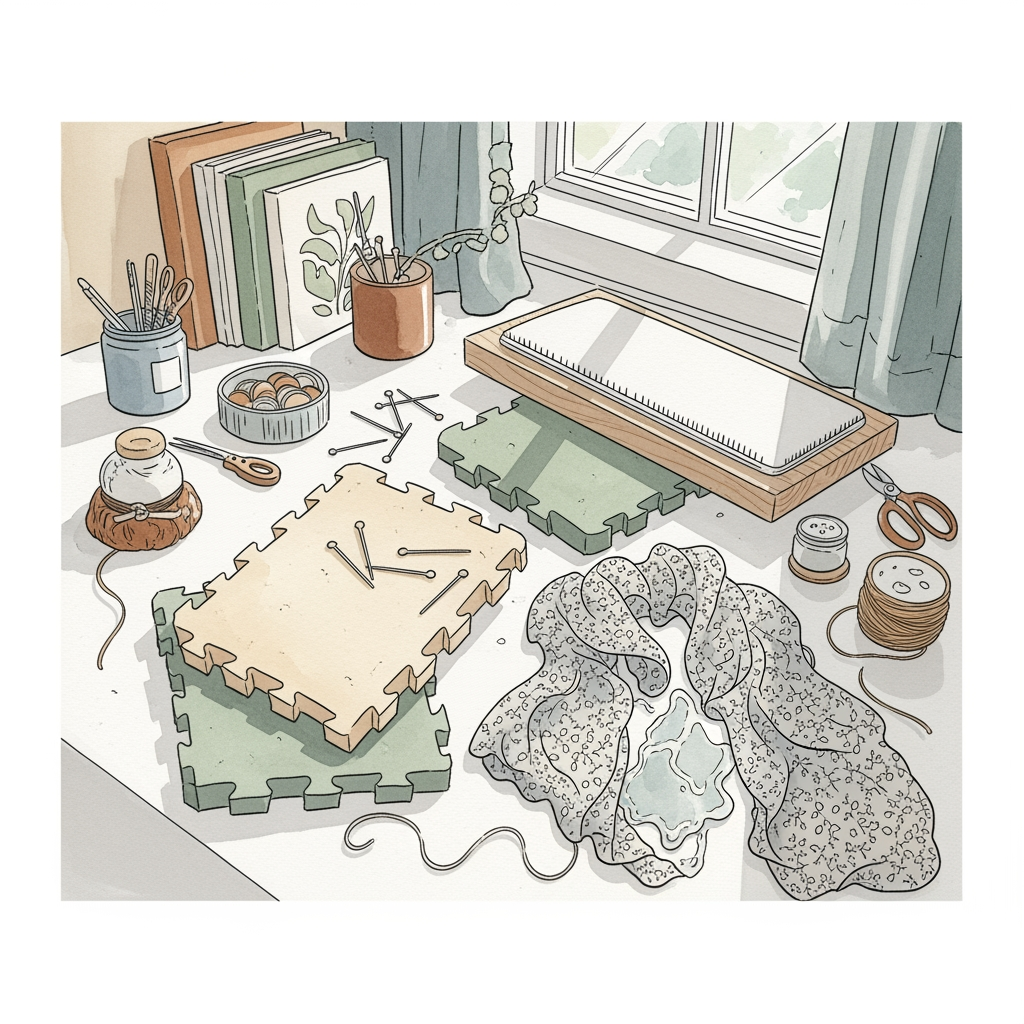
Blocking is the final step where you shape your project to its intended dimensions. Lay your damp garment on a blocking mat or a flat surface covered with a towel, gently pinning it into the desired shape.
Use rust-proof pins to secure the edges, especially if you are blocking lace or intricate cables. This is your chance to correct any minor gauge inconsistencies or to open up lace patterns so the design can truly shine.
Allow the garment to air dry completely away from direct sunlight or heat sources. Drying too quickly or under direct heat can cause the fibers to become brittle and lose their natural elasticity.
Taking the time to properly wash and block your knitwear is the ultimate mark of a seasoned maker. By choosing the right product for your specific fiber content, you ensure that your projects remain as beautiful as the day you cast them off. Treat your yarn with care, and it will keep you warm and stylish for a lifetime. Happy knitting, and may your stitches always be even.
