7 Best Metal Cleaners For Preventing Oxidation To Use
Stop rust and restore shine with our expert guide to the 7 best metal cleaners for preventing oxidation. Discover the top-rated products and protect your items.
Knitting needles are precision instruments that require consistent care to maintain their glide and integrity. Over time, exposure to natural skin oils, moisture in the air, and even the lanolin in untreated wool can cause metal surfaces to develop oxidation or a dull patina. Keeping your needle surfaces smooth prevents snagging on delicate mohair or high-twist merino yarns during long knitting sessions. Investing in a quality cleaner ensures that your favorite set remains a joy to work with for years to come.
Simichrome Polish: Best for High-End Needles


Simichrome is widely regarded as the gold standard for restoring high-quality steel or nickel-plated needles. Its ultra-fine abrasive formula removes surface tarnish without scratching the delicate finish of premium needle sets.
If the surface of a needle feels slightly “tacky” or resistant when sliding through a complex lace pattern, this polish restores that signature metal slide. A tiny pea-sized amount is sufficient for an entire needle tip, making one tube last for decades of maintenance.
Because it is quite powerful, it is best reserved for occasional deep cleaning rather than daily maintenance. Always buff thoroughly after application to ensure no residue remains to transfer onto expensive lace-weight fibers.
Flitz Metal Polish: Most Versatile All-Rounder

Flitz offers a non-toxic, non-abrasive formula that works effectively across a variety of metals, including stainless steel, brass, and nickel. It is particularly helpful for knitters who own mixed-material collections and prefer a single, reliable maintenance product.
This polish excels at removing the stubborn discoloration that occurs when metal needles react to environmental humidity. It leaves behind a thin, protective film that acts as a barrier against future oxidation.
Since it is water-soluble, cleaning up after polishing is simple and risk-free for your workspace. It remains a top choice for those who value both safety and efficacy in their knitting tool kit.
Renaissance Wax: Best for Long-Term Protection
Renaissance Wax is not a traditional polish, but rather a micro-crystalline wax that creates an invisible, moisture-proof seal. It is frequently used by museum conservators, making it the superior choice for preserving vintage steel needles that are prone to rusting.
Unlike oils or liquid polishes, this wax does not attract dust or fiber particles once cured. After applying a very thin layer and buffing it to a high shine, the needle surface becomes incredibly slick and resistant to the natural oils found on human hands.
Use this when storing needles for extended periods, or if you reside in a climate with high humidity. It provides the ultimate insurance policy against the oxidation that can ruin a fine needle tip.
Brasso Metal Polish: The Time-Tested Budget Pick
Brasso is a classic staple found in most workshops and is highly effective on solid brass needle tips. It works by chemically loosening tarnish, which allows for a quick restoration of shine on neglected tools.
However, caution is required, as the formula is quite potent and can be harsh on softer platings or coatings. It is best used for older, solid metal needles that have become heavily oxidized from years of use.
If you choose this route, perform a thorough final cleaning with a mild soap to remove any lingering chemical odor. For modern, coated knitting needles, softer alternatives are generally safer choices to prevent finish degradation.
Wright’s Silver Cream: Ideal for Plated Needles
Wright’s Silver Cream is specifically formulated to be gentle on silver and silver-plated surfaces. If your collection includes high-end decorative needles or vintage silver-plated items, this cleaner ensures protection against pitting and dullness.
The cream consistency prevents the liquid “run-off” that can damage the delicate transition where metal meets wooden or plastic shafts. It lifts tarnish gently without requiring heavy pressure, which preserves the structural integrity of thin lace needles.
Always follow up with a soft, clean microfiber cloth to buff the needle to a brilliant sheen. It is an excellent choice for knitters who treat their tools as both instruments and heirlooms.
Cape Cod Polishing Cloths: Easiest to Use
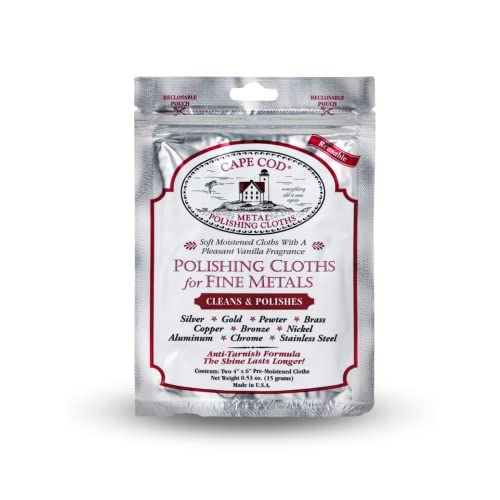
Cape Cod cloths are pre-moistened with a gentle cleaning solution, eliminating the mess associated with creams and liquids. These are perfect for a quick, mid-project refresh when a needle begins to feel sluggish.
They are incredibly convenient for travel knitting kits, allowing for easy maintenance in a hotel or while commuting. The gentle nature of the cloths makes them safe for almost every type of metal needle tip.
After polishing, simply wipe the needle with a dry, clean cloth to remove any excess wax or residue. This keeps your stitch tension consistent and prevents the “drag” that often signals the need for a quick cleaning.
Nevr-Dull Wadding Polish: For A Quick Shine
Nevr-Dull consists of cotton wadding impregnated with a cleaning agent, making it a “grab-and-go” solution for heavy-duty metal cleaning. It is particularly effective for removing significant oxidation or light corrosion from older needles.
To use, simply tear off a small piece of the wadding, rub the metal, and immediately wipe it away with a soft, clean rag. It is exceptionally fast and requires very little effort to see immediate results.
Take care to keep the wadding away from wooden joints or plastic components, as the chemical solvent is quite strong. This product is best suited for solid steel or brass needles rather than coated or anodized aluminum.
What to Look for in a Needle-Safe Metal Polish
When selecting a cleaner, consider the base metal of your needles. Solid brass or steel can handle slightly more aggressive cleaners, while coated aluminum or nickel-plated needles require mild, non-abrasive solutions to prevent scratching.
Avoid any polish that contains harsh, gritty pumice or strong acidic chemicals. You want a product that cleans the surface without stripping away the factory finish or damaging the smooth, tapered tip essential for precision knitting.
Always check for a “non-toxic” or “residue-free” label. You want your needles to be clean and smooth, not sticky or chemically fragrant, when they come into contact with your expensive hand-dyed yarns.
How to Clean Your Metal Needles Step-by-Step
Begin by wiping the needles with a dry, lint-free microfiber cloth to remove dust and loose debris. Apply a very small amount of your chosen polish to a clean cloth or a piece of cotton wadding, rather than directly to the needle.
Gently work the polish along the shaft of the needle, using light, even strokes. Pay extra attention to the tip and the transition area, as these are the high-friction points that collect the most skin oil and debris.
Once the oxidation is lifted, buff the needle repeatedly with a clean section of cloth until no residue remains. If you are using a paste or wax, the final buffing is the most critical step to ensure a slick, snag-free surface for your next row.
Preventing Tarnish: Storage and Handling Tips
Prevention is the best form of maintenance for any knitting tool collection. Store your needles in breathable cases or wraps rather than plastic bags, which can trap moisture and accelerate the oxidation process.
If you live in a humid environment, consider placing a small silica gel packet inside your needle case to absorb excess moisture. Always wipe your needles down with a clean, dry cloth after finishing a knitting session to remove the oils left by your hands.
Establishing a simple routine of wiping your needles before putting them away will drastically reduce the need for deep cleaning. With just a few moments of care, your needles will maintain their perfect finish for the duration of your knitting journey.
Proper tool maintenance is a quiet but essential part of the knitting craft that pays dividends in both the quality of your finished items and the pleasure of the process. By selecting the right cleaner for your specific needle material and committing to regular care, you ensure that your tools remain as reliable as the day you first purchased them. Treat your needles well, and they will continue to produce beautiful fabric for decades to come.