7 Best Lint Rollers For Yarn Care Worth Trying
Keep your knits pristine with our top 7 lint roller picks. We evaluate adhesive strength and fabric safety to help you maintain your yarn projects effortlessly.
Every knitter knows the heartbreak of finishing a complex colorwork sweater only to have it marred by unsightly fuzz and stray fibers. Keeping your handknits pristine requires more than just careful washing; it demands the right maintenance tools to preserve the integrity of the yarn. Choosing the wrong method can snag delicate stitches or leave behind sticky residues that ruin your hard work. Here are seven essential lint rollers that prioritize the health of your fiber projects.
Evercare Giant Mega Roll: Best Overall Lint Roller


When you are working with large-scale projects like an oversized wool cardigan, standard-sized rollers feel like using a toothbrush to scrub a floor. The Evercare Giant Mega Roll offers a massive surface area that makes quick work of cleaning entire garments before you head out the door.
The sheer size of the adhesive sheets means you aren’t constantly peeling away layers while trying to de-fuzz a sweater coat. For those who knit with high-shed yarns like single-ply roving or loosely spun wool, this roller is a lifesaver.
However, keep in mind that the adhesive is quite strong. Always "tack down" the sheet on your jeans or a scrap piece of fabric once before touching it to a delicate, airy mohair or an intricate lace project to avoid pulling at the fibers.
Scotch-Brite 50% Stickier Lint Roller for Wool

Wool, especially rustic, long-staple varieties, tends to attract dust and pet hair like a magnet. The Scotch-Brite 50% Stickier version is designed specifically for those stubborn fibers that seem to weave themselves into the stitch pattern.
If you are working with rustic, woolen-spun yarns that have a lot of "halo," this roller is excellent at grabbing surface debris without needing to press hard. Pressing too firmly into your knitting can cause the adhesive to pull at the yarn twist, potentially creating unwanted fuzziness or pills.
Always use a light, rolling motion rather than a dragging one. This tool is best reserved for sturdier, tightly plied wools rather than delicate, loose-gauge items.
ChomChom Pet Hair Remover: The Reusable Favorite
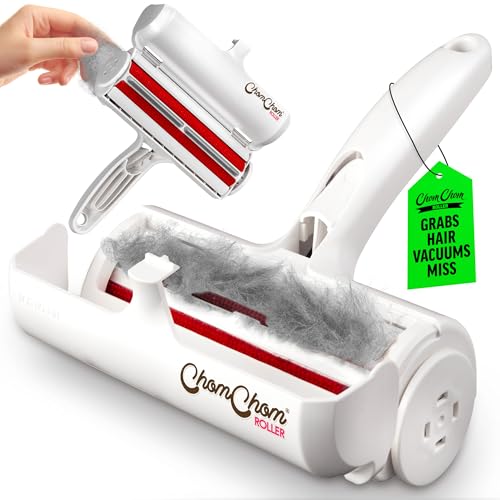
The ChomChom is a staple in many households because it isn’t a traditional sticky roller at all. It uses a specialized fabric brush to trap hair and lint in an internal chamber, making it a sustainable, long-term investment for the serious knitter.
Because it relies on mechanical friction rather than adhesive, there is zero risk of sticky residue being left behind on your handknits. This is a massive advantage for sticky-fiber yarns like alpaca or angora, which can trap adhesive particles deep in the fibers.
The tradeoff is that it requires a bit more physical effort to use effectively. It works best on flat surfaces, so lay your finished sweater on a blocking board or a table before running the device over the fabric.
FLINT Retractable Lint Roller for Project Bags

Every knitter needs a tool that fits into their project bag without catching on stitch markers or stray yarn ends. The FLINT retractable roller is compact and features a protective casing that keeps the adhesive clean and debris-free while you are on the go.
It is the perfect size for quick touch-ups at a knitting group or before a craft fair. Because it is small, it is less likely to accidentally grab a loose yarn tail or a delicate lace picot edge.
Its refillable design also means you aren’t constantly tossing plastic handles into the trash. It’s an elegant, functional solution for the knitter who values both portability and fiber protection.
Petmate FurBuster Roller for Fuzzy Mohair Knits

Mohair and silk blends are notoriously difficult to clean because their long, delicate fibers want to stick to everything. The Petmate FurBuster is designed to be gentle, making it a safer bet for these high-maintenance, luxurious fibers.
When dealing with mohair, you want to avoid anything that pulls at the "halo" of the yarn. This roller is effective at lifting surface dust while being less aggressive than industrial-strength sticky rollers.
If you have a mohair sweater that has started to look a bit tired, a light pass with this tool can fluff the fibers back up. Just be sure to work in the direction of the stitch lay to maintain a smooth, professional finish.
OXO Good Grips Fuzz Remover for Delicate Fibers
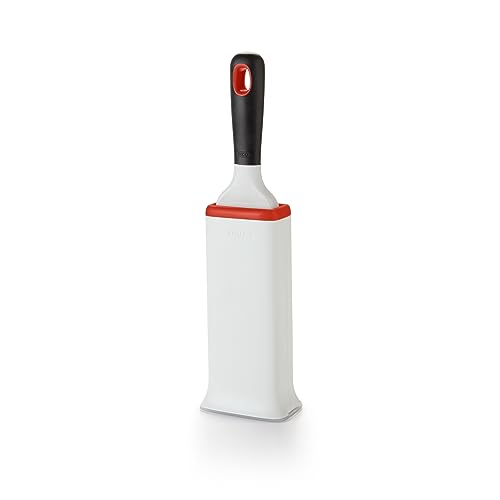
The OXO Good Grips Fuzz Remover is technically a fabric shaver, but it is an essential companion for any knitter who deals with pilling. While rollers lift surface debris, this tool addresses the "bobbles" of fiber that form in high-friction areas like underarms and sleeves.
Using a fabric shaver requires a steady hand and a light touch. Always lay your garment completely flat and pull the fabric taut to ensure you are only removing the pills and not the surface of the yarn itself.
This is particularly useful for superwash wools, which are prone to pilling due to the smooth nature of the fiber. Use it sparingly, as over-shaving can eventually thin out the fabric.
Carrara Reusable Gel Lint Roller for Handknits
Gel rollers are a fantastic, eco-friendly option that can be washed and reused indefinitely. The Carrara gel roller is tacky enough to pick up lint but gentle enough that it won’t pull at your delicate hand-dyed yarns.
The best part about gel rollers is that they lose their "stick" as they pick up debris, which acts as a natural safety mechanism. Once the roller is full, the adhesive force drops significantly, preventing you from over-cleaning or damaging the yarn.
When it loses its grip, simply rinse it under warm water, let it air dry, and it is ready to go again. It is a brilliant, low-waste tool for the eco-conscious knitter.
Why Lint Removal is Vital for Your Fiber Health
Lint and dust are more than just an aesthetic nuisance; they are abrasive. Over time, microscopic particles of dust and hair settle into the ply of your yarn, acting like tiny shards of sandpaper that can weaken the fibers with every movement.
Regularly removing this debris helps maintain the loft and elasticity of your knitwear. When a garment is clean, the fibers can breathe and move as they were intended, which extends the lifespan of your handknits significantly.
Think of lint removal as a form of "preventative maintenance" for your wardrobe. By keeping the surface clear, you prevent the friction that leads to matting, felting, and premature pilling.
How to Safely De-Pill Without Damaging Stitches
Pilling is an inevitable part of the knitting lifecycle, especially with softer, high-twist yarns. The key to safe de-pilling is to prioritize mechanical removal over aggressive cutting or pulling.
- Avoid pulling: Never pull a pill off by hand, as this pulls more fiber out of the yarn and creates a new, larger pill.
- Use a sweater comb: These are often safer than electric shavers for handknits because you have complete control over the pressure.
- Work in sections: Take your time; rushing is the fastest way to accidentally snip a stitch or create a hole.
If you are unsure about a tool, test it on your swatch first. If your swatch survives the process without thinning or snagging, it is safe to use on the finished garment.
Best Practices for Storing Your Finished Knits
Storage is the final step in the fiber care process. Always ensure your knits are clean and completely dry before folding them away for the season, as trapped dust can attract moths and other pests.
Store your finished knits in breathable bags rather than plastic, which can trap moisture and lead to mildew. Cedar blocks or lavender sachets are excellent natural deterrents that keep your sweaters smelling fresh without harsh chemicals.
Finally, fold your sweaters rather than hanging them. The weight of a sweater on a hanger can distort the shoulders and cause the entire garment to grow or lose its intended shape over time.
Maintaining your handknits is just as important as the hours you spent casting on and binding off. By selecting the right tools for your specific fiber types and being mindful of your technique, you ensure that your projects remain beautiful for years. Treat your knitwear with the same care you invested in creating it, and it will remain a cherished part of your wardrobe. Happy knitting, and keep those stitches looking sharp.