7 Best Yarn Tensioners For Smooth Fiber Flow
Achieve perfect stitches with our top 7 yarn tensioners. This guide reviews the best tools to ensure smooth, consistent fiber flow for every knitting project.
Achieving consistent tension is the single most important factor in elevating your knitting from "homemade" to professional-quality fabric. When your yarn flows smoothly through a tensioning tool, you eliminate the fatigue of gripping too tightly and the frustration of uneven stitches. This guide explores the best tools to help you master your gauge and protect your hands during long sessions. Whether you are a novice struggling with loose loops or a pro tackling complex colorwork, the right tensioner can change your entire knitting experience.
Clover Yarn Guide: Best for Beginners and Comfort
The Clover Yarn Guide is an excellent entry point for anyone struggling to manage yarn flow while learning the basic knit and purl stitches. It clips comfortably onto your finger, acting as a gentle physical barrier that keeps your yarn from slipping off your tensioning finger.
For beginners, the primary challenge is often "yarn management"—keeping the working yarn at a consistent distance from the needle tips. This tool simplifies that process, allowing you to focus on your needle movements without worrying about the yarn slackening.
However, keep in mind that this guide is made of plastic and can feel a bit bulky if you have smaller hands. It works best with smooth, plied yarns like standard wool or acrylic blends. If you are working with fuzzy mohair or delicate singles, the plastic surface may cause slight drag.
Knitting Thimble by Prym: Best for Colorwork
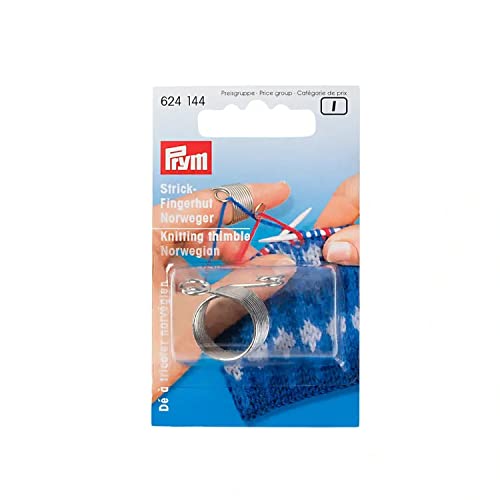

When you are juggling two or more colors in stranded knitting, your hands can quickly become a tangled mess. The Prym Knitting Thimble features multiple grooves that keep your yarn strands separated and organized, preventing them from twisting around each other.
This tool is a game-changer for maintaining even tension across different colors, which is vital for preventing the "puckering" often seen in colorwork. By keeping the yarns at a constant, controlled distance, you ensure that your floats remain consistent on the back of the work.
Be aware that these thimbles can take some getting used to, especially if you have a specific way of holding your yarn. If you find the thimble shifting, try wearing it on a different finger or adjusting your hand position to keep the tension steady.
Yarn Ring by Cocoknits: Best for Ergonomics

The Cocoknits Yarn Ring is a sleek, minimalist solution that prioritizes ergonomics above all else. Its open design allows the yarn to glide through a smooth metal loop, which is far less restrictive than traditional plastic guides.
If you suffer from hand fatigue or arthritis, this ring is a fantastic choice because it doesn’t force your hand into an unnatural position. It keeps the yarn elevated just enough to maintain a light, consistent pull without requiring you to grip the yarn tightly.
Because it is made of metal, it is incredibly durable and works exceptionally well with "sticky" fibers like alpaca or high-twist wools. Just ensure you choose the right size to fit your finger comfortably; if it’s too loose, the ring will rotate, causing the yarn to slip out of the guide.
Schacht Spindle Tensioner: Best for Spinning

While technically designed for the spinning community, many knitters find that a spindle tensioner can be adapted to manage yarn flow during complex projects. It provides a more robust, mechanical tensioning system that is ideal for those working with hand-spun, uneven yarns.
When you are working with hand-spun fiber that varies in WPI (wraps per inch), you often need more control than a simple ring can offer. This tool allows you to adjust the drag on your yarn, ensuring that even the thickest slubs pass through your hands without creating massive loops.
This is a niche tool and may feel like overkill for standard commercial yarn. If you are a spinner who also knits, however, it is an essential piece of equipment for maintaining professional results with your own hand-crafted yarns.
Boye Yarn Threader: Best for Budget Knitters
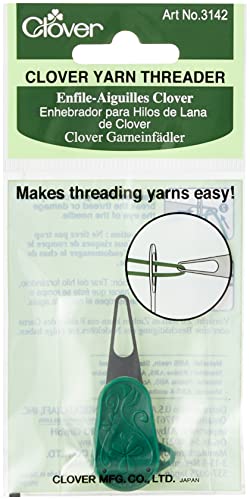
The Boye Yarn Threader is a classic, no-frills tool that has been a staple in knitting bags for decades. It is an affordable, simple wire loop that fits over your finger, offering a straightforward way to guide your yarn without any unnecessary bells or whistles.
It is particularly useful for knitters who are on a budget or those who prefer a tool that doesn’t feel like "extra gear." Because it is made of thin wire, it is lightweight and won’t add any noticeable weight to your hand during long knitting sessions.
The tradeoff here is durability; the wire can eventually bend or lose its shape if it gets caught on other items in your knitting bag. Treat it with care, and it will serve you well for years, but don’t expect the premium feel of a solid metal or ergonomic design.
Tulip Etimo Yarn Guide: Best for Precision

The Tulip Etimo Yarn Guide is designed for the knitter who demands absolute precision and comfort in every stitch. It features a polished, high-quality finish that allows yarn to slide through with almost zero resistance, which is perfect for delicate lace knitting.
When working with fine lace weight yarns, even the slightest friction can cause the fiber to catch or fray. The smooth, rounded edges of the Etimo guide ensure that your yarn remains pristine, even after hours of working on intricate patterns.
This is a premium product, and the price reflects that, but the difference in flow is noticeable. If you spend most of your time working with luxury fibers like silk or cashmere, this guide is a worthwhile investment to protect your materials.
Yarn Butler Tensioner: Best for Large Skeins

While not a finger-worn tool, a Yarn Butler acts as a stationary tensioner that prevents your yarn from tangling as it pulls from a large cake or skein. It is an essential companion for any knitter who works with large, center-pull cakes that tend to collapse.
If your yarn is constantly snagging or pulling tight because the ball is tumbling around, your gauge will inevitably suffer. The Yarn Butler keeps the yarn flowing at a constant, low-resistance speed, which is the secret to perfectly even stitches across a large garment.
Pairing a stationary butler with a finger-worn guide is the ultimate setup for high-speed knitting. It eliminates both the drag from the yarn source and the tension inconsistencies in your hand, leaving you with a flawless, uniform fabric.
How to Properly Adjust Tension for Smooth Flow
Proper tension isn’t about pulling the yarn tight; it’s about maintaining a consistent, light pressure. Start by threading your yarn through your guide and testing a small swatch, focusing on how the yarn feels as it moves through the tool.
If your stitches look uneven, check if the yarn is catching on the guide’s edges. You want the yarn to glide, not drag. Adjust the position of the guide on your finger until the angle of the yarn creates a natural, effortless flow toward your needles.
Remember that your tension will naturally change depending on your mood, the time of day, and how tired your hands are. Don’t be afraid to adjust your guide mid-project if you notice your gauge shifting; consistency is more important than keeping the tool in one static position.
Troubleshooting Common Yarn Tensioning Issues
If you find that your yarn is snapping or fraying, your tensioner might be creating too much friction. Check for any burrs or rough spots on the guide, especially if you are using a metal tool.
Conversely, if your stitches are too loose, you may need to wrap the yarn around your finger an extra time before it enters the guide. This adds a slight bit of drag, which can help tighten up your gauge without requiring you to grip the needles harder.
Always consider the "grip" of your yarn. Superwash wool is naturally slippery and may require more tension, while mohair or angora is "grabby" and works best with a guide that offers very little resistance.
Choosing the Right Tool for Your Knitting Style
Your choice of tensioner should ultimately reflect how you hold your yarn and what you are knitting. If you are a "flicker," a simple ring or guide will likely suit you best. If you "throw" the yarn, you might prefer a thimble-style tool that provides more structure.
Think about your most common projects: are you a sock knitter working with fine, slick nylon-blend yarns, or a sweater knitter working with lofty, rustic wools? The former requires a guide that prevents slipping, while the latter needs a guide that prevents snagging.
Don’t be afraid to try different tools, as your needs may evolve as your skills grow. The best tensioner is the one that disappears into your process, letting you focus entirely on the rhythm of your stitches.
Finding the perfect yarn tensioner is a personal journey that depends as much on your unique hand mechanics as it does on the project at hand. By experimenting with these tools, you can reduce hand strain and achieve the consistent gauge you’ve always desired. Remember that no tool can replace the practice of mindful knitting, but the right gear will certainly make the process more enjoyable. Happy knitting, and may your yarn always flow as smoothly as your stitches.