6 Best Fiber Wash Soaps For Delicate Wools
Keep your delicate woolens soft and clean. We review the 6 best fiber wash soaps that preserve natural fibers while effectively removing dirt and odors.
You’ve spent dozens of hours selecting the perfect yarn and carefully crafting every stitch, only to face the nerve-wracking moment of that first wash. Using the wrong detergent can strip natural oils, felt your fibers, or leave behind a residue that ruins the drape of your finished garment. Choosing a specialized fiber wash is the single most important insurance policy for your hand-knit wardrobe. Here are the top six options to ensure your heirlooms stay soft and structurally sound for years to come.
Eucalan Delicate Wash: The Best No-Rinse Option
Eucalan is a staple in my knitting bag because it simplifies the blocking process immensely. Since it requires no rinsing, you don’t have to agitate the fibers by moving them between basins, which is the primary cause of accidental felting.
The formula contains lanolin, a natural oil that acts as a conditioner for wool fibers. If you’ve just finished a rustic, scratchy wool sweater, this wash will noticeably soften the hand of the fabric after the first soak.
Keep in mind that while the scent-free version is perfect for those with sensitivities, the scented options are quite potent. If you are sensitive to fragrance, stick to the unscented bottle to avoid your sweater smelling like a bouquet for months.
Soak Wash: The Top Choice for Gentle Cleansing
Soak is the modern knitter’s go-to for its rinse-free, residue-free formula. It’s incredibly effective at lifting sweat and skin oils, making it my top recommendation for garments worn close to the skin, like camisoles or lightweight shawls.
The beauty of Soak is that it doesn’t leave a "film" on the yarn. If you are working with high-twist yarns or intricate lace, you want the stitch definition to remain crisp rather than soft and blurred by additives.
One minor tradeoff is that it lacks the heavy-duty conditioning power of lanolin-heavy washes. If you are washing a very dry, brittle fiber, you might find it provides a clean finish but not necessarily a "rejuvenated" feel.
Kookaburra Delicate Wash: Best for Natural Fibers


Kookaburra is a tea-tree oil-based wash that is excellent for those who worry about moth damage or environmental factors. Tea tree oil is a natural deodorizer and disinfectant, which is fantastic for items that have been stored in a cedar chest or closet for the off-season.
This wash is particularly effective for raw, minimally processed wools that still contain some of their original character. It cleans thoroughly without stripping the fiber of the natural protective qualities that make wool so resilient.
Be aware that the tea tree scent is distinct and herbal. If you prefer your knitwear to smell like fresh laundry or nothing at all, this might take some getting used to.
The Laundress Wool & Cashmere: Premium Care Choice
When you’ve invested in high-end cashmere or luxury merino-silk blends, you want a wash that feels equally sophisticated. The Laundress offers a specialized formula that focuses on cleaning and protecting fibers that are prone to pilling and thinning.
This detergent is slightly more concentrated than others, meaning a little goes a long way. It is particularly good at maintaining the "loft" of cashmere, which can often look flat or matted after a standard wash.
The main drawback here is the price point and the need for a rinse. Because it is a traditional detergent formula, you must rinse it out thoroughly to prevent soap buildup, which requires a bit more handling of the wet garment.
Unicorn Fibre Wash: Best for Deep Conditioning
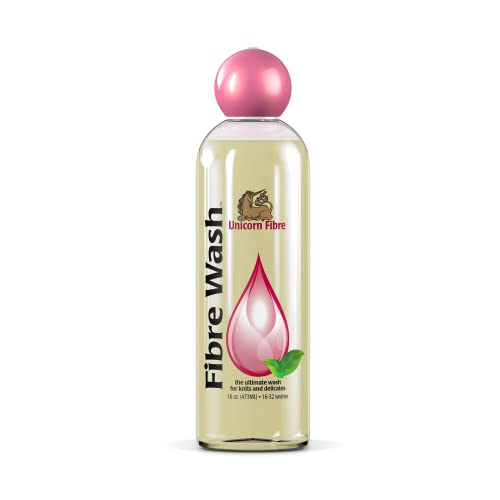
Unicorn Fibre Wash is a powerhouse for restoring old, neglected, or thrifted wool finds. Its pH-balanced formula is designed to actually penetrate the fiber rather than just sitting on the surface, making it ideal for "rescue" projects.
If you’ve accidentally shrunk a garment slightly, some knitters swear by the conditioning properties of this wash to help "relax" the fibers back into shape during the blocking process. It’s a workhorse product that feels more like a hair-care treatment for your yarn.
Because it is so effective at conditioning, it can be a bit heavy if you use too much. Always follow the dilution instructions carefully to avoid leaving the yarn feeling slightly tacky.
Twig & Horn Wool Soap: Best Sustainable Formula
Twig & Horn understands the intersection of knitting and sustainability. Their wool soap is crafted with simple, biodegradable ingredients that are gentle on both your hands and the environment.
This soap is fantastic if you have a large stash of hand-dyed yarns. Its gentle, low-sudsing profile ensures that it won’t strip the dye or cause bleeding in high-contrast stranded colorwork projects.

While it is a wonderful product, it does require a rinse, which adds an extra step to your laundry day. If you are washing a heavy, water-logged sweater, that extra rinse can be a physically demanding task.
Why Your Delicate Wools Require Specialized Soaps
Standard household detergents are designed to break down tough stains, often using enzymes that are aggressive enough to eat through organic proteins. Because wool is essentially hair, these enzymes can actually weaken the fiber, leading to breakage and thinning over time.
Specialized wool washes are pH-balanced to keep the fiber cuticle closed and smooth. When the cuticle is smooth, the yarn is more resistant to dirt, odors, and the friction that causes pilling.
Think of it this way: you wouldn’t wash a delicate silk blouse with industrial-strength floor cleaner. Your hand-knits deserve the same level of respect to maintain their elasticity and longevity.
Understanding the Benefits of No-Rinse Formulations
The biggest risk to a wet, heavy wool garment is gravity and agitation. Every time you lift a soaking wet sweater out of a basin to rinse it, you are putting immense strain on the stitches, which can cause the garment to grow or lose its shape.
No-rinse formulations allow you to soak the garment, gently squeeze out the excess water, and move directly to the blocking board. This minimizes the "handling time," which is when most accidents—like stretching or snagging—happen.
However, no-rinse isn’t a license to be lazy. You still need to ensure the garment is fully submerged and that the soap has had time to circulate through the fibers to do its job.
Essential Tips for Washing Hand-Knit Woolens Safely
Always test for colorfastness if you are washing a project with high-contrast colors, like a fair isle yoke. A quick dab with a wet white cloth on a scrap piece of yarn can save you from a bleeding disaster.
- Use lukewarm water: Extreme temperature changes can shock the fiber and cause instant felting.
- Never wring: Wringing twists the fibers and ruins the memory of the yarn; always press or roll in a towel.
- Avoid direct sunlight: UV rays can fade natural dyes and make fibers brittle over time.
Remember that washing is also a form of "finishing." It is the moment where your stitches settle into place and the fabric truly becomes a cohesive garment rather than a collection of loops.
How to Properly Dry Your Knits to Prevent Stretching
Drying is the final, most critical step in the life of your sweater. Never hang a wet wool garment on a hanger, as the weight of the water will cause the shoulders to stretch into "hanger bumps" and the body to elongate.
Instead, lay your garment flat on a moisture-wicking surface, like a blocking mat or a clean towel, in a well-ventilated area. Use pins to gently shape the garment to your desired measurements, ensuring the ribbing is relaxed and not pulled taut.
If you are drying a heavy sweater, rotate it or flip it after a few hours to ensure the underside dries as quickly as the top. Proper airflow is the best way to prevent that "damp wool" smell from developing while the garment dries.
Caring for your hand-knits is a meditative extension of the knitting process itself, ensuring that your hard work survives for years. By selecting the right wash and treating your garments with the patience they deserve, you protect both your time and your materials. Remember that every fiber has different needs, so don’t be afraid to experiment to see what keeps your favorite pieces looking their absolute best. Happy knitting, and may your stitches always stay soft and perfectly blocked.