7 Best Wool Dryer Balls For Softening Finished Garments
Discover the 7 best wool dryer balls to soften your laundry naturally. This guide explores top-rated eco-friendly options for faster, static-free drying cycles.
After spending hundreds of hours crafting a hand-knit sweater, the last thing you want is for the fabric to lose its drape or feel stiff after a wash. Wool dryer balls are a game-changer for maintaining the integrity of your hard-earned projects while cutting down on static and drying time. They work by physically separating your garments in the dryer, allowing hot air to circulate more effectively through the fibers. Choosing the right set can be the difference between a soft, heirloom-quality piece and one that feels neglected.
Smart Sheep Wool Dryer Balls: The Best Overall Pick


These balls are the gold standard for a reason, offering a perfect balance of density and surface texture. They are constructed from 100% premium New Zealand wool, which holds up remarkably well against the friction of a heavy load of damp woolens.
For a knitter, the density of these balls is critical. They are firm enough to create the necessary "bouncing" action that fluffs up the stitches of a cabled sweater without being so hard that they snag delicate lace work.
If you are drying a heavy wool blanket or a chunky-knit cardigan, these provide consistent results. They don’t fall apart or shed fibers onto your dark-colored knits, which is a common frustration with lower-quality alternatives.
Friendsheep Organic Eco Dryer Balls: Best Sustainable
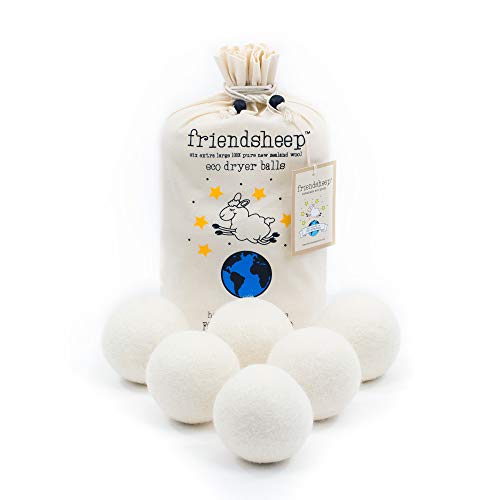
If you are as concerned about the provenance of your yarn as you are about the care of your finished items, this is your best bet. These are certified organic, fair-trade, and cruelty-free, aligning perfectly with the values of many conscious fiber artists.
The craftsmanship is evident in the tight felting of the wool. Because they are handmade, each ball has a slightly unique texture that helps gently massage the fibers of your knitwear as they tumble.
They are an excellent choice for those who wash their hand-knits in gentle, eco-friendly detergents. Using a sustainable dryer ball feels like a natural extension of the slow-fashion movement we participate in every time we pick up our needles.
Kikkerland Felted Wool Dryer Balls: Best Value Set

Sometimes you need a larger quantity of balls to handle a full load of family laundry, not just your hand-knits. This set offers a great price point without compromising on the basic mechanics of how wool balls function.
While they may not be as densely packed as some premium options, they are perfectly adequate for everyday knitwear like cotton-blend socks or acrylic sweaters. They provide enough agitation to keep garments from clumping together during the drying cycle.
If you are a prolific knitter who constantly has multiple projects in the wash, having a larger set on hand is a massive convenience. You can toss several in to ensure your garments aren’t fighting for air space.
Budiegg Premium Wool Dryer Balls: Best for Durability
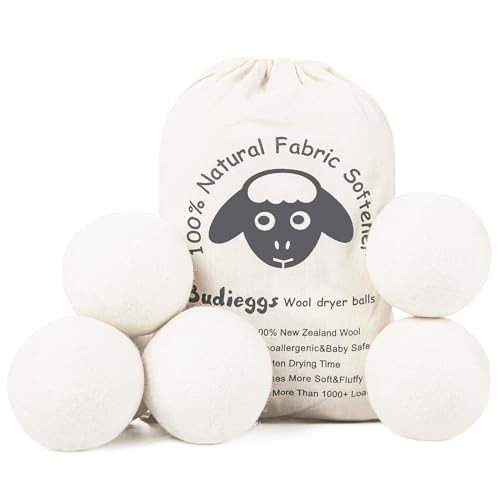
Durability is the name of the game when you are drying heavy-duty wool items that retain a lot of moisture. These balls are exceptionally firm, meaning they maintain their shape and effectiveness for hundreds of cycles.
I often recommend these to knitters who work primarily with dense, high-twist yarns. The extra weight of these balls helps to "beat" the stiffness out of the fabric, restoring the bounce and softness that can sometimes be lost during the wash process.
They are a long-term investment for your laundry room. You won’t find yourself picking up bits of stray wool from your clothes, which is a testament to the quality of the felting process used in their production.
Whitmor Natural Wool Dryer Balls: Best Budget Choice
You don’t need to spend a fortune to get the benefits of wool dryer balls. These are a straightforward, no-nonsense option that gets the job done for the budget-conscious knitter.
They are lighter than the premium options, which makes them very safe for lighter-weight projects like silk-blend shawls or fine-gauge baby garments. They provide just enough movement to speed up the drying process without being too aggressive.
While they may show signs of wear sooner than more expensive sets, they are a great entry point. If you’ve never used wool dryer balls before, this is a low-risk way to see how they change the hand-feel of your finished pieces.
Household Essentials Wool Balls: Best Large Size Set
Size matters when you are trying to maximize airflow in a packed dryer. These balls are slightly larger than the standard, which creates more space between your garments as they tumble.
For a knitter, this is particularly helpful when drying multiple items at once. By keeping the garments separated, you prevent the friction that leads to pilling, keeping your stitch definition sharp and clean.
They are particularly effective for large-scale projects like afghans or oversized sweaters. The increased surface area ensures that the heat is distributed evenly, preventing the dreaded "damp center" issue in thick, multi-layered knits.
SnugPad Wool Dryer Balls: Best for Sensitive Skin
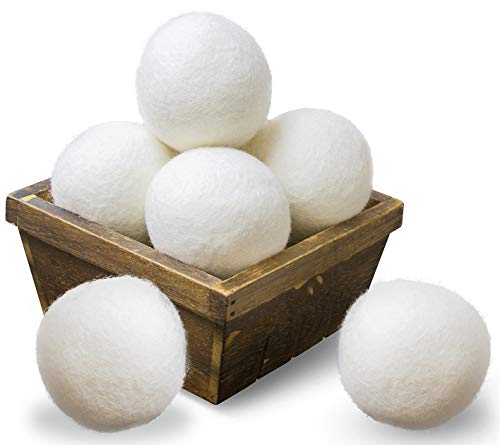
If you or anyone in your household has skin sensitivities, these are a fantastic choice. They are hypoallergenic and completely free of the synthetic fragrances or chemicals found in traditional dryer sheets.
Knitters often use these for baby blankets or garments intended for those with delicate skin. Because they are 100% natural, you don’t have to worry about chemical residues clinging to the fibers of your work.
They are soft enough to be gentle on delicate fibers like cashmere or mohair, yet effective enough to keep garments fluffy. It’s a clean, simple way to maintain the purity of your hand-knitted items.
Why Use Wool Dryer Balls on Your Hand-Knit Items
Wool dryer balls are essentially the "finishing touch" for your hand-knit garments. They mimic the effect of a gentle hand-fluffing, which is exactly what a piece needs after being submerged in water and detergent.
When you wash a garment, the fibers can become matted or compressed, especially in superwash wools or delicate blends. The balls gently agitate the fabric, opening up the stitches and restoring the loft that makes hand-knits so cozy.
Furthermore, they eliminate the need for chemical-laden dryer sheets, which can leave a waxy coating on your yarn. That coating can actually attract dirt over time and dampen the natural luster of high-quality wool fibers.
How Wool Dryer Balls Protect Delicate Fiber Blends
Many knitters worry that the mechanical action of dryer balls will cause damage to delicate yarns. In reality, the opposite is true: they prevent the "bunching" that leads to friction and pilling.
When garments tumble together without dryer balls, they rub against each other, which is the primary cause of pilling on sweaters. By acting as a buffer, the wool balls keep your pieces apart, preserving the integrity of the stitch pattern.
This is especially important for luxury fibers like alpaca or silk-blends, which are prone to abrasion. Using the balls allows you to dry your items more quickly, reducing the time they spend in the heat, which is always the biggest enemy of delicate natural fibers.
Best Practices for Scenting Your Wool Dryer Balls
While I generally prefer the natural scent of clean wool, many knitters love to add a subtle fragrance to their laundry. The best way to do this is by adding a few drops of high-quality essential oil to the balls before they go into the dryer.
Wait for the oil to absorb completely into the wool before starting the cycle to avoid any potential staining. Lavender is a classic choice, as it is naturally moth-repellent and pairs beautifully with the earthy scent of wool.
Always use essential oils sparingly. You want a light, fresh scent, not an overwhelming perfume that will clash with the natural beauty of your yarn. Start with one or two drops and adjust based on your personal preference.
Investing in a quality set of wool dryer balls is a simple, effective way to elevate the longevity of your knitting projects. By reducing static, preventing pilling, and maintaining fiber loft, these tools act as an extension of your care routine. Whether you choose them for their sustainability or their ability to protect delicate blends, your hand-knits will surely thank you. Happy knitting, and may your finished projects always stay as soft as the day you cast them off.