6 Best Ergonomic Crochet Hook Grips for Long Knitting Sessions
Discover the 6 best ergonomic crochet hooks to reduce hand strain. Learn how these specialized grips improve comfort and endurance for long crafting sessions.
Spending hours working on a complex blanket or a pair of intricate socks shouldn’t leave your hands feeling like they’ve gone ten rounds in a boxing ring. As someone who has spent two decades at the loom and with hooks in hand, I’ve learned that the right tool is the difference between a joyful hobby and chronic discomfort. Ergonomic hooks are not just a luxury; they are a necessary investment in the longevity of your craft. Let’s explore the best options to keep your hands nimble and your stitches consistent.
Clover Amour Hooks: The Gold Standard for Comfort
Clover Amour hooks are widely considered the industry benchmark for a reason. Their elastomer rubber grip is soft, non-slip, and perfectly shaped to fit into the palm of your hand without feeling bulky.
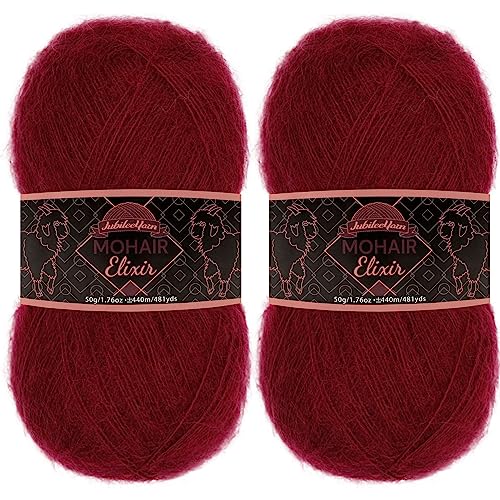
The aluminum shaft is perfectly polished, allowing yarn to slide effortlessly, which is a lifesaver when you are working with sticky fibers like cotton or wool-mohair blends. Because the head is rounded but pointed enough to enter tight stitches, you won’t find yourself fighting your tension.

The main trade-off here is the handle length; those with very large hands might find the grip a bit short for a "knife-hold" style. However, for the vast majority of makers, these provide the most consistent, fatigue-free experience on the market.
Tulip Etimo Red: Precision and Smooth Gliding
If you are a fan of precision, the Tulip Etimo Red is your go-to. These hooks feature a matte finish that prevents the annoying "glare" you get under bright craft lights, which can actually reduce eye strain during late-night sessions.
The hook head is incredibly smooth, and the throat is deep enough to hold onto your yarn securely while you pull through. This is particularly helpful when working with slippery fibers like silk or bamboo, where losing a loop can ruin your gauge.
While they are a premium investment, the durability of the tip is unmatched. You won’t see the plating chip off after a few months of heavy use, making them a reliable workhorse for your primary project bag.
Furls Odyssey Hooks: Weighted for Wrist Support
Furls Odyssey hooks are distinct because they are weighted, which provides a unique balance that can actually help stabilize your wrist movement. The ergonomic shape is designed to encourage a "neutral" wrist position, reducing the repetitive strain that leads to inflammation.
The nickel-plated finish is exceptionally slick, which is a double-edged sword. If you are a "tight" crocheter, this slickness is a blessing, as it helps move the yarn along with less physical effort.
However, if you have a loose tension, you may find yourself dropping stitches more frequently. These are best suited for those who need a heavier tool to remind them to keep their movements controlled and intentional.
Addi Swing Crochet Hooks: The Ergonomic Choice

The Addi Swing is visually intimidating, but it is a masterclass in orthopedic design. The handle is angled to mimic the natural bend of your wrist, which is a game-changer if you suffer from existing hand fatigue or arthritis.
Because the handle is quite long and shaped specifically for the hand, it forces you to hold the hook in a way that distributes pressure across your palm rather than just your fingers. This is essential for long-term health.
Be aware that the learning curve is steep; switching to an Addi Swing from a traditional straight hook can feel awkward for the first few hours. Stick with it, as your joints will thank you after a long day of marathon crocheting.
Boye Ergonomic Aluminum Hooks: Best for Beginners
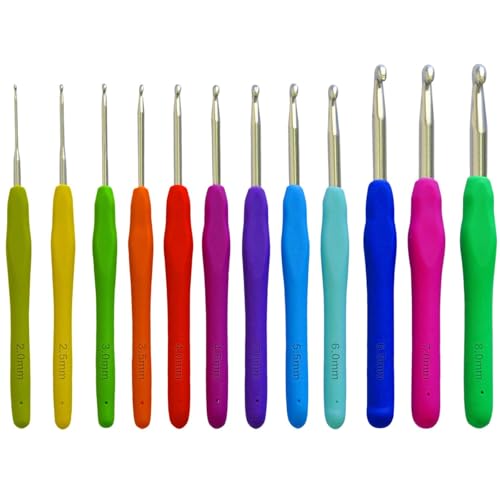
If you are just starting your journey or are on a budget, the Boye Ergonomic line is the most accessible entry point. They feature a simple, molded rubber handle that provides just enough cushion to prevent the "dent" you often get on your finger from a thin metal hook.
These are widely available and perfect for learning your tension. Because they are not overly specialized, they allow you to figure out whether you prefer a "knife" grip or a "pencil" grip without committing to a high-end price tag.
They aren’t as polished as the premium options, so you may find they catch slightly on fuzzy yarns like mohair. For basic acrylic or wool worsted-weight projects, however, they are perfectly functional.
Prym Ergonomic Hooks: Lightweight Resin Design

Prym takes a different approach by using high-quality resin to create a hook that is incredibly lightweight. For those who find metal hooks too heavy or cold, these offer a warm, tactile feel that is much gentler on the skin.
The shape is somewhat flattened, which acts as a natural thumb rest. This design choice is excellent for keeping your hook oriented correctly, ensuring your stitches remain uniform throughout your project.
The only downside is that the resin can feel a bit "draggy" with certain synthetic yarns. If you find your yarn sticking, a quick wipe with a bit of wax paper usually solves the friction issue immediately.
Why Ergonomic Grips Matter for Long Sessions
Ergonomic grips are designed to increase the diameter of the area you are holding. When you hold a thin, metal hook, your hand must stay in a tight, constricted claw to maintain control, which leads to tendonitis.
By increasing the surface area, your hand muscles can remain relaxed. This isn’t just about comfort; it’s about gauge consistency. When your hand is tired, your tension usually tightens up, leading to uneven fabric.
Investing in ergonomics is essentially an investment in your project’s final look. A relaxed hand produces a more even, professional-looking stitch pattern every single time.
How to Choose the Right Hook Size for Your Hand
Selecting a hook size isn’t just about the yarn label; it’s about how that hook feels in your specific grip. If you have larger hands, look for hooks with longer, thicker handles like the Addi Swing or Furls.
If you have smaller hands or struggle with finger dexterity, the Clover Amour’s compact, balanced design is likely your best bet. Always test your grip by holding the hook for five minutes before starting a large project.
Remember that tension is personal. If you find yourself constantly adjusting your grip to reach the yarn, your hook is likely the wrong size or shape for your anatomy.
Preventing Crochet Strain and Hand Fatigue
Even with the best tools, you must listen to your body. If you feel a dull ache in your thumb or wrist, stop immediately.
- Take micro-breaks: Put your hook down every 20 minutes and shake out your hands.
- Check your posture: Slouching over your work puts unnecessary strain on your shoulders, which travels down to your hands.
- Vary your projects: Don’t work on the same high-tension lace project for weeks; swap to a larger, more relaxed project to give your muscles a break.
Essential Stretches for Every Avid Crocheter
You wouldn’t run a marathon without stretching, and the same applies to your hands. Start by extending your arm in front of you, palm up, and gently pulling your fingers back with your other hand.
Next, make a loose fist and rotate your wrists in both directions to release tension. Finally, press your palms together in a prayer position and slowly lower them to stretch the forearms.
These simple movements take less than a minute. Incorporating them into your routine will keep you stitching for decades to come.
Finding the perfect ergonomic hook is a deeply personal journey that depends on your hand size, your grip style, and the fibers you love to work with most. Do not be afraid to experiment with different handle shapes and materials to see what truly relieves your tension. Remember that the best hook is the one that allows you to lose yourself in the rhythm of your stitches without pain. Happy making, and may your tension remain consistent and your hands stay healthy.