
6 Best Sewing Clips For Holding Bag Layers Worth Buying
Struggling with thick bag layers? Discover the 6 best sewing clips that offer superior grip and precision for your next heavy-duty project. Read on to learn!
When you transition from knitting soft accessories to constructing structured bags, you quickly realize that pins simply don’t cut it for thick, layered materials. Much like choosing the right needle material for a slippery silk-mohair blend, selecting the correct sewing clip depends on the "hand" and thickness of your fabric. These tools are the unsung heroes of bag making, ensuring your seams stay aligned through every pass of the machine. Here is how to navigate the market to find the perfect clips for your next carry-all project.
Clover Wonder Clips: The Gold Standard for Bags
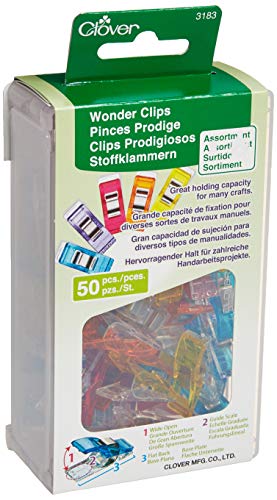

Clover Wonder Clips are the industry benchmark for a reason, offering a consistent tension that feels as reliable as a well-worn set of bamboo needles. They are particularly effective when you are working with heavy-duty interfacing or multiple layers of waxed canvas that would otherwise slide around.
The flat base is a game-changer because it keeps your fabric flush against the machine bed. This prevents the "puckering" effect you might experience if you were trying to feed a bulky, pinned seam through your presser foot.
While they are an investment, their durability justifies the price tag. Think of them like a high-quality set of interchangeable needles; you buy them once, and they last for years of heavy use.
Wawak Multi-Purpose Sewing Clips: Best Value

If you are stocking up your sewing room for the first time, Wawak clips offer a fantastic balance of performance and affordability. They provide enough bite to hold thick layers of denim or heavy upholstery fabric without the risk of the plastic snapping under pressure.
These are excellent for beginners who are just starting to experiment with bag construction. You can buy them in bulk, meaning you won’t have to worry about running out mid-project when you need to secure a long, complex gusset.
They may lack the refined finish of premium brands, but they get the job done reliably. They are the "workhorse" needles of the clip world—not fancy, but absolutely essential for getting the job done.
Dritz Quilting Clips: Superior Holding Power

Dritz clips are designed with a slightly more aggressive spring than standard clips, making them ideal for heavy-duty bag projects. If you are working with thick leatherette or multiple layers of batting, this extra tension is vital.
The grip is firm enough that you won’t have to constantly readjust your layers while maneuvering under the machine needle. It is similar to the confidence you feel when using a high-quality cable needle that actually stays put in your stitches.
The main tradeoff is that they can be a bit harder to open for those with hand fatigue or arthritis. If you find your hands getting tired after a long day of knitting, you might want to test these for comfort before committing to a large set.
Hemline Assorted Sewing Clips: Best Variety
Hemline offers an assortment that is perfect for makers who switch between different types of projects. Having a mix of small and large clips is as useful as having a full range of needle sizes in your kit, allowing you to choose the right tool for the specific seam depth.
The smaller clips are perfect for delicate corners or tight curves where a large clip would simply be too bulky. It is all about precision, much like choosing a smaller needle tip for picking up stitches along a narrow neckline.
Having this variety in your stash means you are never caught unprepared. It is a versatile solution for the maker who likes to keep their options open and their workspace organized.
Taylor Seville Magic Clips: Heat Resistant Grip
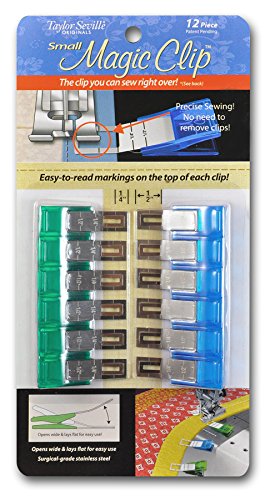
Taylor Seville Magic Clips are unique because they are designed to withstand the heat of an iron. This is a massive advantage when you are pressing seams on a structured bag and need to keep the fabric perfectly aligned while it cools.
The material is sturdy and the grip is exceptionally secure, providing a "stay-put" quality that is hard to beat. It is the sewing equivalent of using a blocking wire to ensure your lace shawl maintains its crisp, intentional shape.
While they are priced higher than standard plastic clips, the heat resistance is a feature you will quickly grow to rely on. For complex bag designs that require frequent pressing, these are a worthwhile upgrade.
Fiskars Sewing Clips: Best for Heavy Fabrics
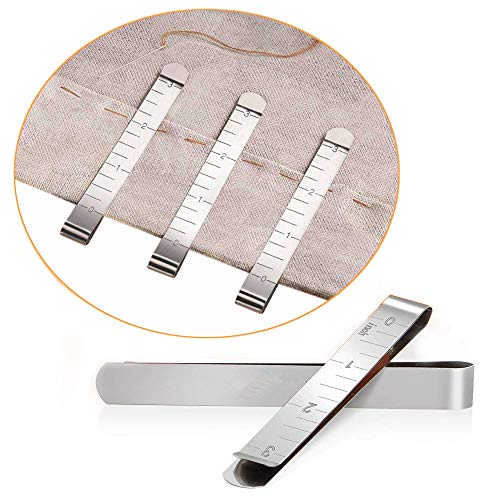
Fiskars is known for ergonomics, and their sewing clips are no exception. They are designed to be easy to open even when you are working with heavy-duty fabrics that require a bit of extra force to hold together.
If you have ever struggled with a stiff yarn or a stubborn project, you know that the right tool makes the process feel effortless. These clips provide a wide opening capacity, which is essential for thick bag handles or reinforced bottoms.
They are robust enough to handle the stress of thick layers without warping. If your bag-making involves heavy materials like canvas or thick interfacing, these are a reliable choice.
Why Clips Outperform Pins for Bag Construction
Pins are fantastic for delicate knits, but in bag construction, they are often a liability. A pin can easily bend when pushed through thick layers, and it creates holes in materials like leather or vinyl that will never heal.
Clips hold the fabric layers in a flat, even plane, which is exactly what you need for consistent seam allowances. It’s like the difference between pinning a garment and using a blocking board; the latter gives you total control over the final geometry of the piece.
Furthermore, you won’t have to worry about accidentally running your needle over a clip and breaking it. While you should always remove them before the needle reaches them, a clip is much easier to spot and remove than a tiny, hidden pin.
Selecting the Right Size Clip for Your Project
Size matters just as much in clips as it does in needle gauge. For thin, lightweight bag linings, a smaller clip prevents the fabric from sliding and keeps the tension even.
For the main body of a bag, especially when working with batting or heavy-duty stabilizers, you need a larger clip with a wider "jaw." Using a clip that is too small for the thickness of your fabric will cause it to pop off, which is as frustrating as using a needle that is too thin for your yarn weight.
Always consider the "bite" depth. You want the clip to hold the fabric securely without leaving permanent indentations on the surface of your material.
Essential Features to Look for in Sewing Clips
When shopping for clips, prioritize a flat base that sits securely on your sewing machine bed. This prevents the fabric from tipping or shifting as you feed it under the presser foot.
Look for a strong spring mechanism that doesn’t feel flimsy or loose. You want a consistent, firm hold that doesn’t vary from one clip to the next, much like you want your stitch tension to remain even across a row.
Consider the material’s finish as well. You want a smooth plastic that won’t snag on your fabric, especially if you are using delicate or high-end materials for your bags.
Proper Maintenance and Storage for Your Clips
Treat your clips with the same care you give your favorite needles. Store them in a dedicated container where they aren’t being crushed, as excessive pressure can weaken the springs over time.
Keep them clean and free of lint or fabric dust, which can build up and affect their grip. A quick wipe down with a microfiber cloth is usually enough to keep them functioning at their best.
Don’t leave them clamped onto thick fabric for extended periods when not in use. Just like you wouldn’t leave a heavy project hanging on your needles, you want to avoid unnecessary stress on the clip’s spring mechanism.
Building a bag is a rewarding challenge that requires the same precision and patience as knitting a complex cable sweater. By investing in the right clips, you remove the guesswork and frustration from your construction process, allowing you to focus on the design. Choose the tools that match your specific project needs, and you will find your sewing experience becomes much more enjoyable. Happy making, and may your seams always be perfectly aligned.