7 Best Tension Rings For Ergonomic Knitting To Try
Discover the 7 best tension rings to enhance your knitting comfort. These ergonomic tools reduce hand strain and ensure consistent stitches for every project.
Knitting for hours can often lead to hand fatigue, especially when maintaining consistent tension becomes a struggle. Tension rings serve as a clever mechanical bridge between your yarn and your fingers, helping to alleviate strain while keeping your gauge perfectly even. Whether you are battling slippery silk or stubborn wool, these tools can transform your knitting experience. Here are seven of the best options currently available to help you find your perfect fit.
Clover Adjustable Yarn Guide: Best For Beginners
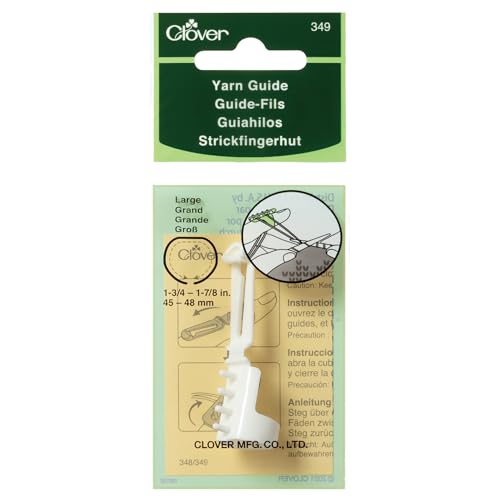

If you are just beginning your journey into the world of knitting, the Clover Adjustable Yarn Guide is an excellent entry point. It features a simple wire-loop design that sits comfortably on your finger, acting as a gentle guide for your working yarn.
The beauty of this tool lies in its simplicity and the fact that it is incredibly lightweight. Because it is made from a malleable metal, you can easily bend it to fit your finger size or to adjust the angle at which the yarn feeds into your needles.
However, keep in mind that this is a basic tool. It lacks the complex tension-control mechanisms found in more expensive models, meaning it works best for knitters who just need a little extra help keeping the yarn from sliding off their fingers.
Cocoknits Yarn Tension Ring: Best Ergonomic Pick
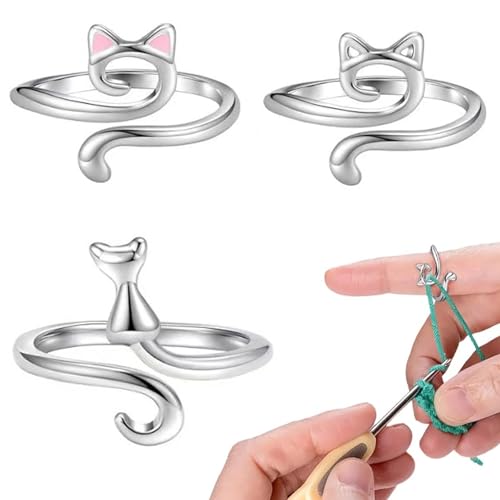
When you are working on a long-term project like a cabled sweater, hand fatigue is the enemy of progress. The Cocoknits Yarn Tension Ring is designed specifically to address this by keeping the yarn at a consistent height, which prevents you from having to "claw" your hand to maintain tension.
This ring features a unique, sculptural design that feels very natural to wear for extended periods. It is particularly effective for those who experience cramping in their index finger after knitting for an hour or two.
The trade-off here is the learning curve involved in getting the yarn to sit correctly within the loop. Once you master the angle, however, it provides a level of ergonomic relief that is difficult to replicate with other tools.
Yarnstar Peacock Tension Ring: Best For Colorwork

Colorwork, particularly stranded knitting where you hold two colors at once, can be a nightmare for maintaining even tension. The Yarnstar Peacock Tension Ring is a game-changer because it allows you to guide two separate strands of yarn through different loops simultaneously.
By separating the yarns, this ring prevents the colors from tangling and ensures that your floats—the strands of yarn carried across the back of your work—stay consistent. This is vital for achieving a smooth, professional finish on your garments.
Be aware that this ring is slightly bulkier than standard models. If you have smaller hands, you may find the peacock design a bit intrusive, but for the sake of perfectly even colorwork, it is often a compromise worth making.
KnitPal Metal Tension Ring: Best Durable Option

If you are the type of knitter who keeps a project in your bag at all times, you need a tool that can withstand being tossed around. The KnitPal Metal Tension Ring is constructed from high-quality, sturdy metal that won’t easily bend or snap under pressure.
Its durability makes it a reliable companion for working with heavier, more abrasive fibers like rustic wool or linen. Unlike plastic guides, this ring won’t wear down over time, ensuring your tension remains consistent project after project.
The only downside is that it is less adjustable than wire-based models. Ensure you measure your finger circumference accurately before purchasing, as this ring is designed to be a "set it and forget it" piece of kit.
Tulip Etimo Tension Ring: Best Premium Choice

The Tulip Etimo brand is synonymous with high-end craftsmanship, and their tension ring is no exception. It features a polished finish that prevents the yarn from snagging, which is essential when you are working with delicate fibers like alpaca or mohair.
Investing in a premium ring like this is a smart move if you find that cheaper metal rings cause friction or "catch" on your yarn. The smooth surface allows the yarn to glide effortlessly, which significantly speeds up your knitting pace.
While the price point is higher, the ergonomic engineering is superior. For the knitter who spends significant time on intricate lace shawls, this ring is a worthwhile investment in comfort and quality.
Pony Silver Tension Ring: Best Budget Selection

Sometimes you just need a simple, effective solution without the bells and whistles. The Pony Silver Tension Ring is a classic, no-nonsense tool that does exactly what it promises: it keeps your yarn in place without breaking the bank.
This ring is ideal for knitters who are curious about trying a tension guide but aren’t ready to invest in a premium model. It is lightweight and easy to adjust, making it a great "test drive" for your knitting style.
Do not expect the same level of ergonomic refinement as the higher-end options. It is a functional, entry-level tool that serves its purpose well for basic projects, but it may lack the comfort required for marathon knitting sessions.
Addi Knitting Thimble: Best For Multi-Stranding
The Addi Knitting Thimble is a specialized tool that functions differently than a ring, fitting more like a traditional sewing thimble. It is particularly effective for those who knit with multiple strands or who struggle with the yarn slipping off their finger entirely.
The design allows for excellent control when working with slippery, synthetic yarns that are otherwise hard to manage. It keeps the yarn firmly in place, allowing you to focus on your stitch tension rather than fighting the yarn.
Because of its thimble-like structure, it can get a bit warm during long sessions. It is best suited for knitters who prefer a very secure, locked-in feel for their working yarn rather than a loose, flowing guide.
How Tension Rings Improve Your Knitting Ergonomics
The primary goal of a tension ring is to offload the work from your small hand muscles to a fixed point. By guiding the yarn through a ring, you eliminate the need to wrap the yarn tightly around your finger, which is the leading cause of "knitter’s cramp."
- Reduces repetitive strain: By keeping your hand in a neutral position, you avoid the static tension that leads to tendonitis.
- Ensures consistent gauge: A ring maintains a constant distance between the yarn ball and the needle, resulting in more uniform stitches.
- Prevents yarn friction: It protects your skin from the constant rubbing of yarn, which is especially helpful when using rougher, non-superwash wools.
Key Factors When Selecting Your Tension Ring Size
Finding the right fit is arguably more important than the brand you choose. A ring that is too tight will restrict circulation, while one that is too loose will slide off your finger and disrupt your rhythm.
- Measure your index finger: Use a piece of string to measure the circumference of your finger at the base of the nail.
- Consider swelling: Your fingers may swell slightly during long knitting sessions, so aim for a fit that is comfortable but not restrictive.
- Adjustability: If you are between sizes, always opt for a model that allows for manual adjustment through bending or sliding.
Maintenance Tips For Your Metal Tension Rings
Metal rings are generally low-maintenance, but they do require occasional care to keep them functioning smoothly. If you notice your yarn snagging, check the ring for small burrs or rough spots caused by accidental drops or general wear.
- Polishing: Use a soft, lint-free cloth to wipe down your ring after use to remove skin oils and yarn dust.
- Storage: Keep your ring in a small notions pouch to prevent it from getting crushed or bent in your project bag.
- Cleaning: If the ring becomes tarnished or sticky, a quick wipe with a mild soap solution and thorough drying will restore its finish.
Finding the right tension ring is a personal journey that depends heavily on your unique hand anatomy and knitting style. Don’t be afraid to experiment with different designs until you find the one that makes your hands feel relaxed and your stitches look uniform. Remember, the best tool is the one that allows you to knit longer and more comfortably, so prioritize your physical well-being above all else. Happy knitting, and may your tension always be consistent!