
6 Best Yarn Niddy Noddys For Measuring Skeins Tested
We tested 6 top niddy noddys to find the best for measuring skeins. Discover our top picks for durability, ease of use, and accuracy in this expert review.
Whether you are washing handspun singles or reskeining a thrifted find, a niddy noddy is the unsung hero of your yarn stash. Without this simple tool, you are left with tangled messes that turn a relaxing project into a frustrating exercise in untangling. Choosing the right one depends on your volume of yarn, your storage space, and how much you value ergonomic design. Here is my breakdown of the best niddy noddys on the market to help you keep your fiber organized and ready for the needles.
Ashford Traditional Wood Niddy Noddy: Best Overall


The Ashford Traditional is a staple in many studios for a reason: it is beautifully weighted and incredibly intuitive to use. Crafted from smooth, unfinished silver beech, it feels substantial in the hand without causing fatigue during long winding sessions.
The design is classic for a reason. Because the crossbars are perfectly parallel, you get a consistent, even tension that prevents the yarn from slipping off while you move. This is vital when working with slippery fibers like silk blends or high-twist superwash wools that tend to "travel" on slick surfaces.
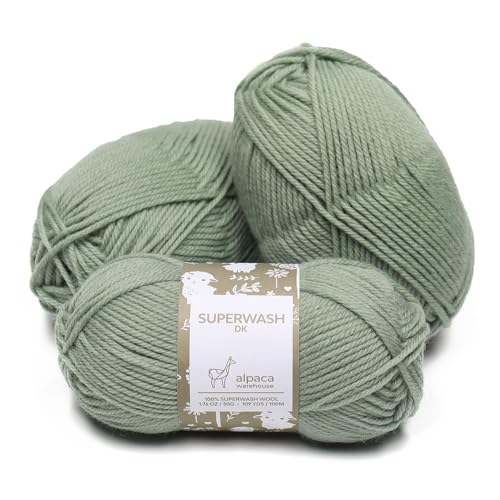
If you are a spinner who regularly produces standard 1.5-meter skeins, this tool is the gold standard. It is built to last a lifetime, though you should occasionally wax the wood to keep it from drying out in low-humidity environments.
Schacht Adjustable Plastic Niddy Noddy: Best Value

If you are just starting out or working with a rotating variety of yarn weights, the Schacht adjustable model is a brilliant entry point. The plastic construction is lightweight, making it easy to maneuver even if you have wrist sensitivity or arthritis.
The real magic here is the adjustability. By sliding the arms into different notches, you can create various skein sizes, which is perfect if you need to match a specific yardage for a dyeing project. It takes the guesswork out of measuring when you aren’t sure how much yarn you actually have on the bobbin.
While it lacks the aesthetic charm of wood, the durability of this plastic is undeniable. It won’t splinter, and if you drop it on a hard floor, it’s unlikely to crack. It’s a practical, no-nonsense tool that earns its keep in any knitter’s kit.
Lacis Wooden Umbrella Niddy Noddy: Best Precision
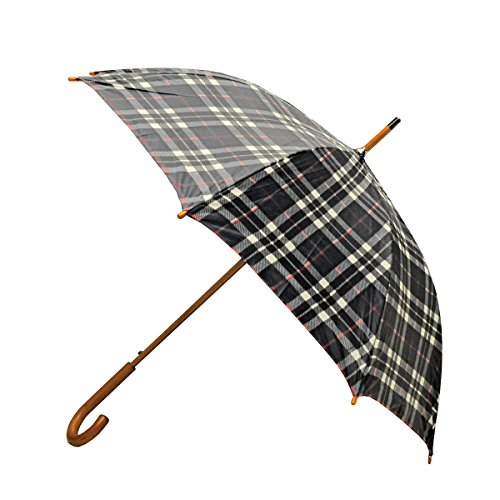
Precision is everything when you are measuring expensive hand-dyed yarns for a project where yardage is tight. The Lacis Umbrella Niddy Noddy offers a level of mechanical accuracy that simple wooden sticks just cannot match.

This tool functions similarly to a swift, allowing you to expand the arms to the exact circumference you need. This is particularly useful for measuring long-run color-changing yarns where you want to ensure the color repeats are consistent across multiple skeins.
Because it is more complex, it requires a bit more care during storage. Make sure to keep the tension screws tight, and don’t force the mechanism if it feels stiff. It is a precision instrument, so treat it with the same respect you would your favorite pair of high-end interchangeable needles.
Strauch Jumbo Niddy Noddy: Best for Large Skeins
When you are dealing with massive quantities of yarn—like a full pound of worsted weight wool—a standard niddy noddy becomes a chore. The Strauch Jumbo is specifically engineered to handle high volume without requiring you to stop and tie off your yarn halfway through.
The wider crossbars allow for a much larger circumference, which means your skeins will be airy and easy to hang for drying. This is a massive advantage for bulky or super-bulky yarns that take forever to dry if they are wound too tightly.
I recommend this for serious spinners or those who buy yarn in large cones. It is a bit bulky to store, so ensure you have a dedicated hook or drawer space for it. It’s a specialized tool, but it pays for itself in time saved when you have a mountain of fiber to process.
Nancy’s Knit Knacks Heavy Duty Niddy: Best Durability
If you are the type of knitter who wants to buy a tool once and never think about it again, this is your best bet. The construction is incredibly robust, designed to withstand the daily rigors of a busy yarn shop or a high-output home studio.
The "heavy duty" designation isn’t just marketing fluff; the joints are reinforced to prevent the wobbling that often plagues cheaper wooden models. When you are winding at a fast pace, that stability keeps your tension uniform, preventing the "bunching" that can lead to uneven dye absorption or tangles during the wash.
It is a bit heavier than other options, which might be a consideration if you have limited grip strength. However, the trade-off is a tool that feels rock-solid in your hands. It is an investment piece, but one that will likely outlive your current stash.
KnitPal Portable Folding Niddy Noddy: Best Travel
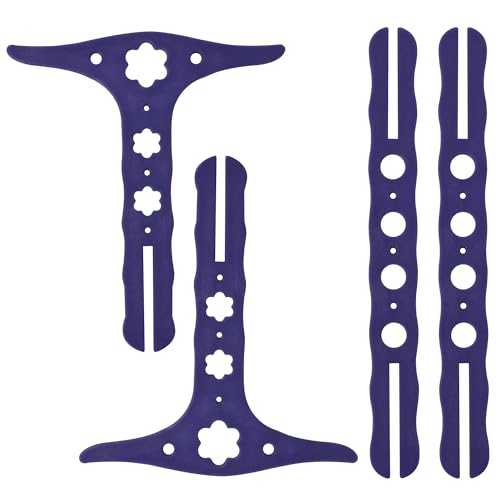
We all know the feeling of wanting to bring our fiber arts on the road, only to be thwarted by bulky gear. The KnitPal folding niddy noddy collapses down to a compact size, making it the perfect companion for spinning retreats or knitting workshops.
Despite its portability, it doesn’t sacrifice performance. It locks into place securely, and the folding hinges are designed to stay flush so they don’t snag your yarn. This is a common failure point in cheaper folding designs, but KnitPal has engineered this well.
If you are a "traveling knitter," this is a must-have. Just be sure to double-check the locking mechanism before you start winding to ensure it hasn’t shifted in your bag. It’s a smart, efficient solution for the mobile maker.
How to Measure Your Yarn Correctly Every Single Time
Accuracy starts with your winding technique. Always wind your yarn with a consistent, gentle tension; pulling too hard will stretch the fibers, giving you an inaccurate yardage count that can ruin a project’s gauge.
- Count your rotations: Establish a rhythm and stick to it.
- Use a counter: If you lose track easily, a simple clicker counter is a lifesaver.
- Tie your ties: Always use at least four loose figure-eight ties before taking the yarn off the niddy noddy.
If you are measuring for a project that requires precise yardage, like a sweater, measure at least two skeins and average the results. Even the best of us have a "winding drift" where our tension changes as we get tired.
Understanding Skein Length and Tension Consistency
The length of your skein is determined by the circumference of your niddy noddy. If your tool is 1.5 meters around, every full rotation is 1.5 meters of yarn. It sounds simple, but tension consistency is the variable that trips up most knitters.
If you wind too tightly, you are effectively "stretching" the yarn. When you wash it, the yarn will snap back to its original length, leaving you with less total yardage than you calculated. Always wind with the yarn resting gently against the wood.
Think of it like winding a ball of yarn by hand; if you stretch it as you go, your gauge will be completely different once the yarn relaxes. Keep it light, keep it consistent, and your finished items will thank you.
Essential Tips for Winding Yarn Without Any Snags
The biggest enemy of a beautiful skein is the dreaded snag. Before you even start winding, check your niddy noddy for any rough spots or splinters. If you find a snag, use a piece of fine-grit sandpaper to smooth it out immediately.
When winding, keep your hands clean and free of lotions or oils. Natural fibers, especially delicate ones like alpaca or mohair, can pick up oils that attract dust or even moths over time.
Finally, always wind your yarn in a figure-eight pattern. This ensures the yarn crosses over itself, creating a stable structure that won’t collapse into a tangled heap when you remove it from the tool.
Common Niddy Noddy Maintenance and Care Advice
Your niddy noddy is a tool, not a piece of wall art, but it still requires care. Wooden models should be wiped down with a soft cloth after use to remove any lanolin or dirt transferred from the yarn.
If you notice your wooden niddy noddy feeling "thirsty," apply a small amount of food-safe beeswax or mineral oil. This prevents the wood from cracking or warping, especially if you live in a climate with extreme seasonal changes in humidity.
For plastic or metal models, a quick wipe with a damp cloth is usually sufficient. Avoid using harsh chemical cleaners, as they can degrade the material over time and potentially transfer residues to your next project.
Finding the right niddy noddy is about balancing your specific needs for volume, portability, and material preference. Whether you choose a rugged wooden classic or a sleek, adjustable plastic tool, the goal remains the same: keeping your yarn pristine and ready for your next cast-on. Take your time with the winding process, respect your fiber’s properties, and you will find that these tools make your knitting journey significantly more organized. Happy winding, and may your skeins always be tangle-free.

