7 Best Wooden Clappers For Seam Pressing To Own
Discover the 7 best wooden clappers for crisp seams. Learn how these essential tools flatten fabrics and set professional creases for your sewing projects.
Achieving a professional finish on your knitted garments often comes down to how you handle your seams and edges after the needles are put away. While many knitters focus solely on tension and yarn choice, the secret to a garment that looks store-bought rather than homemade lies in the final pressing. A wooden tailor’s clapper is the essential tool that transforms steam-pressed fabric into crisp, stable, and flat seams. This guide explores the best options available to help you elevate your finishing work to a professional standard.
Dritz Tailor’s Clapper: The Professional Standard
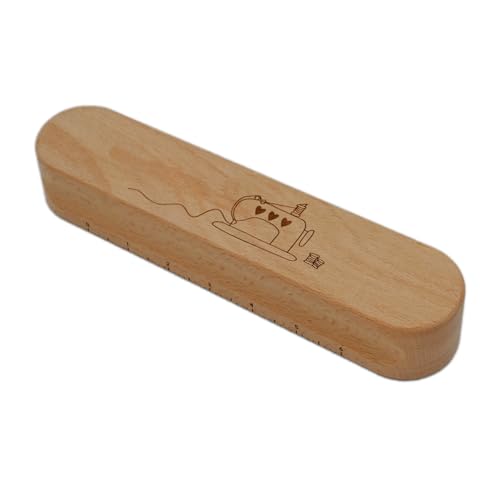

If you walk into a professional sewing studio, you are almost guaranteed to find a Dritz clapper sitting on the ironing board. It is the gold standard for a reason: it is reliable, widely available, and shaped for versatility.

The Dritz model features a classic design with grooved sides that make it easy to grip, even when your hands are tired after a long day of seaming. Its weight is perfectly balanced to provide enough pressure to set a steam-pressed seam without crushing the delicate loft of your yarn.
Because it is made from unfinished hardwood, it effectively absorbs the excess moisture from your steam iron. This is critical for natural fibers like wool or alpaca, which can become mushy if they remain damp for too long. If you want a dependable tool that just works, this is the one to pick.
June Tailor Wood Clapper: Best for Beginners
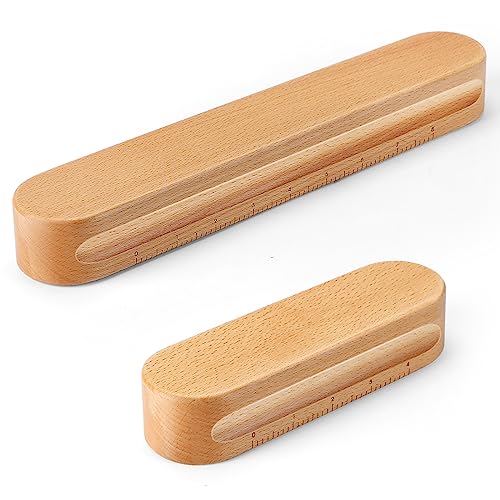
When you are just starting to experiment with blocking and pressing, you don’t need an overly complicated tool. The June Tailor clapper is an excellent entry-level choice because it is lightweight and straightforward to handle.
Its smaller profile makes it easy to maneuver around tight curves, such as armscyes or necklines on a sweater. If you are working on a baby garment or a delicate accessory, you won’t feel like you are wrestling with a heavy piece of lumber.
The wood is sanded smooth, ensuring it won’t snag your yarn or leave splinters on your finished piece. It is a no-nonsense tool that helps you learn the rhythm of steam-press-clap without breaking the bank.
Arrow Mountain Custom Clapper: Best Handcrafted
There is something deeply satisfying about using a tool that feels like a piece of art in your own hands. Arrow Mountain clappers are often handcrafted from beautiful, high-quality hardwoods that feel significantly denser than mass-produced versions.
Beyond the aesthetics, the density of the wood matters for your final result. A heavier, harder wood provides superior pressure, which is essential when you are trying to flatten a bulky seam on a chunky-gauge sweater.
These are an investment, but they are built to last a lifetime. If you take pride in your knitting toolkit and want a piece that performs as well as it looks, this is a clear winner.
Collins Hardwood Clapper: Best Value for Money
Sometimes you just need a functional tool that doesn’t demand a premium price tag. The Collins Hardwood Clapper delivers exactly that: a solid, durable piece of wood that gets the job done without any unnecessary frills.
It features a standard rectangular shape that works well for long, straight seams like those found on the side of a cardigan. Because it is budget-friendly, you won’t feel guilty about keeping one in your sewing kit and another in your knitting bag.
While it may not have the ergonomic curves of more expensive models, it provides the necessary surface area to lock in a press. For the knitter who values utility over luxury, this is a smart, practical addition to your collection.
Gingher Tailor’s Clapper: Premium Build Quality
Gingher is a name synonymous with precision, and their clapper is no exception. The build quality here is evident in the choice of wood and the precision of the edges, which are perfectly square to ensure even pressure across the entire seam.
This tool is particularly effective for high-end projects, such as luxury cashmere or silk-blend knits. The smooth finish ensures that even the most delicate fibers aren’t disturbed during the pressing process.
If you are spending hours knitting an intricate lace shawl or a complex colorwork sweater, you want a finishing tool that matches that level of effort. The Gingher clapper is a premium choice for the dedicated maker.
Wawak Professional Clapper: Best Heavyweight

If you frequently knit with thick, lofty yarns, you know the struggle of getting seams to lie flat. A lightweight clapper simply won’t have the mass required to compress those bulky stitches into a crisp line.
The Wawak Professional Clapper is noticeably heavier, which does the heavy lifting for you. By applying more downward force, it forces the steam deep into the fibers and holds them in place as they cool.
This results in a seam that stays flat and doesn’t "bounce back" once you remove the tool. For knitters who love working with worsted or bulky weight wool, this heavyweight option is a game-changer.
Clover Press Perfect Clapper: Best Ergonomics

Holding a heavy wooden block can be tiring, especially if you have a large garment with many seams to press. The Clover Press Perfect Clapper is designed with the user’s comfort in mind, featuring a shape that feels natural in the palm of your hand.
It is lightweight enough to handle with ease but dense enough to provide the necessary pressure for effective setting. The edges are slightly rounded, which prevents harsh lines from forming on the right side of your fabric.
This is the best choice for knitters who suffer from hand fatigue or joint pain. It proves that you don’t have to sacrifice performance for comfort.
Why Every Knitter Needs a Clapper for Seaming
Many knitters believe that a simple steam press is enough to finish a garment. However, steam alone only relaxes the fibers; it doesn’t "set" them into their final, flattened position.
A clapper acts as a heat sink, drawing the moisture out of the fabric while holding the seam flat as it cools. This process creates a crisp, professional edge that prevents your seams from looking bulky or uneven.
Whether you are seaming a sweater or blocking a flat piece of lace, the clapper is the secret weapon for a polished look. It is the difference between a project that looks "handmade" and one that looks "hand-crafted."
How to Use a Tailor’s Clapper for Crisp Edges
To use your clapper, first lay your seam flat on an ironing board and apply steam with your iron, hovering just above the fabric. Do not press down with the iron itself, as this can crush the yarn’s structure and create a shiny, flattened look.
Immediately after applying the steam, place the clapper directly onto the seam and press down firmly. Hold it there for about 10 to 15 seconds until the steam has dissipated and the fabric feels cool to the touch.
The goal is to trap the heat and moisture long enough for the fibers to reset in their new, flat position. Once you remove the clapper, your seam will be set, stable, and perfectly flat.
Proper Care and Maintenance for Wooden Tools
Because your clapper is made of raw, unfinished wood, it is designed to absorb moisture. Over time, it may become slightly damp or develop water spots, which is perfectly normal and actually indicates that the wood is doing its job.
To maintain your tool, store it in a dry place and avoid leaving it sitting in a pool of water. If the surface becomes rough after years of use, you can lightly sand it with fine-grit sandpaper to restore its original smoothness.

Never use harsh chemicals or oils on the wood, as these can transfer to your yarn during the pressing process. With simple care, a wooden clapper will last for decades, becoming a staple in your knitting journey.
Choosing the right wooden clapper is a small investment that pays off every time you finish a new project. By understanding how weight, density, and ergonomics affect your pressing results, you can select the tool that best suits your knitting style and fiber preferences. Whether you opt for a professional-grade heavyweight or a comfortable, ergonomic model, you will immediately notice the improvement in your garment’s final appearance. Happy seaming, and may your edges always be crisp and professional.