6 Best Wooden Clappers For Pressing Seams To Use
Discover the 6 best wooden clappers for crisp, professional seams. Learn how these essential pressing tools help set flat, durable creases in your projects.
Achieving a professional finish on your hand-knit garments often comes down to how you handle your seams after the final stitch is cast off. A wooden tailor’s clapper is the secret weapon that transforms bulky, uneven edges into flat, crisp lines that look like they came straight from a boutique. By trapping steam within the fibers, this simple tool sets the shape of your knitting permanently. Mastering this technique is the single biggest step toward elevating your work from "homemade" to "hand-crafted masterpiece."
Dritz Tailor’s Clapper: The Industry Standard
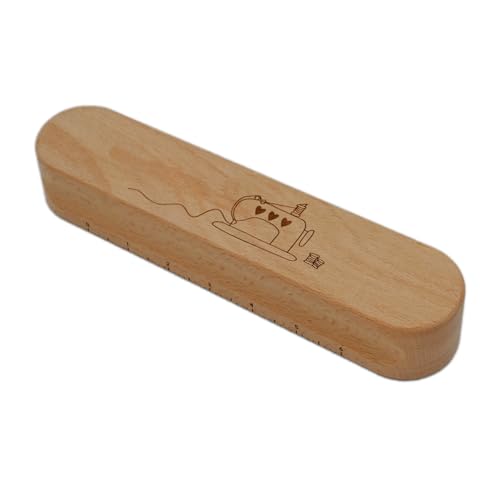

The Dritz Tailor’s Clapper is a staple in sewing rooms for a reason: it is reliable, affordable, and gets the job done without any unnecessary frills. Its classic rectangular shape provides a generous surface area, which is vital when you are pressing long side seams on a cardigan or a sweater body.
Because it is made of unfinished hardwood, it effectively absorbs the excess moisture from your steam iron. This prevents your knit fabric from becoming soggy or over-stretched during the blocking process.
If you are just starting your journey into garment finishing, this is the safest place to begin. It is a no-nonsense tool that teaches you the mechanics of heat and pressure without a steep learning curve.
LDH Scissors Wooden Tailor’s Clapper Tool

LDH Scissors brings a level of craftsmanship to their tools that feels luxurious in the hand. Their clapper is often crafted from high-quality hardwood with a smooth finish, making it a joy to use during long blocking sessions.
The weight of this tool is its most significant advantage for knitters. When working with heavier wools or dense, worsted-weight fabrics, you need a bit of heft to compress the fibers effectively.
This clapper excels at flattening bulky seams where multiple pieces of fabric meet, such as at the underarm of a sweater. You will find that it leaves a sharp, professional crease that stays put long after the garment has cooled.
June Tailor Wood Pressing Clapper and Point

The June Tailor version is unique because it combines a standard clapper with a built-in point presser. This dual-functionality is a game-changer for knitters who frequently work on complicated necklines or intricate collar details.
The pointed end allows you to get into tight spaces where a standard, wide clapper simply won’t fit. If you are finishing a delicate lace shawl or a garment with complex geometric shaping, this tool provides the precision you need.
Don’t be intimidated by the extra shape; it is incredibly intuitive once you start using it. It effectively eliminates the "hump" that often forms at the corners of collars or cuffs.
Arrow Wooden Tailor’s Clapper for Quilting

While marketed toward quilters, the Arrow clapper is a fantastic addition to a knitter’s toolkit, particularly for those who do a lot of structured tailoring. Its heavy-duty construction is designed to withstand high heat and significant pressure.
Knitters who work with plant-based fibers like cotton or linen will appreciate this tool. These fibers can be stubborn and often require more steam and "locking" power to hold a shape compared to wool.
The wood is dense and durable, ensuring it won’t warp over time despite constant exposure to steam. If your knitting style involves a lot of structured, fitted garments, this is a heavy-duty investment that will last for decades.
Gingher Tailor’s Clapper for Crisp Seams
Gingher is a name synonymous with quality, and their clapper lives up to that reputation. It is designed with comfort in mind, featuring ergonomic edges that make it easy to maneuver across your ironing board.

What sets this tool apart is the quality of the wood grain, which is sanded to a perfect, splinter-free finish. This is crucial when you are working with delicate fibers like silk-wool blends or cashmere, as you don’t want any rough edges snagging your precious yarn.
It provides a very consistent, even pressure across the entire length of the tool. For someone who values precision and wants to ensure their knitwear looks perfectly symmetrical, this is an excellent choice.
Clover Tailor’s Clapper for Precision Press
Clover’s approach to the clapper is all about user-friendly design and portability. It is slightly smaller and lighter than some of the professional-grade options, making it perfect for knitters with limited space or those who take their tools to knitting retreats.
Despite its smaller size, it is incredibly effective for blocking small items like socks, mittens, or baby sweaters. You can easily manipulate it around small curves without feeling like you are fighting the tool.
If you are a casual knitter who wants to improve your finishing without cluttering your space, the Clover clapper is an ideal balance. It is functional, compact, and highly effective for everyday projects.
Why Use a Wooden Clapper for Your Knitwear
Many knitters mistakenly believe that a steam iron alone is enough to set a seam. However, steam relaxes the fibers, but it is the pressure of the clapper that keeps them in that position as they cool.
Without a clapper, your seams may look flat immediately after ironing, but they will often "pop" or lose their shape once the garment is worn. The clapper acts as a heat sink, pulling the moisture out of the fabric while holding the stitches firmly in place.
This process is essential for stabilizing seams in garments that experience a lot of movement, such as sweaters or vests. It prevents the dreaded "stretching out" that can happen at the shoulder or side seams over time.
How to Properly Use a Clapper for Flat Seams
- Steam: Hover your iron over the seam and release a generous amount of steam, or use a damp pressing cloth if your iron lacks a strong steam function.
- Press: Immediately place the clapper over the damp, warm area.
- Hold: Apply firm, steady pressure for about 10 to 15 seconds.
- Cool: Lift the clapper and let the fabric sit undisturbed until it is completely cool and dry.
The key is to wait for the fabric to cool entirely before moving it. If you move the garment while it is still warm and damp, you will undo all the work you just did.
Patience is your best friend here. A few extra seconds of waiting will result in a seam that looks like it was professionally manufactured.
Choosing the Right Wood for Pressing Tools
The best clappers are made from hardwoods like oak, maple, or ash. These woods are naturally dense, which allows them to absorb moisture without warping or splintering.
Avoid softwoods like pine, which can contain resins that might transfer onto your delicate yarn when heated. You also want to ensure the wood is unfinished—varnishes or sealants will prevent the wood from absorbing the steam, which defeats the purpose of the tool.
- Hardwood (Oak/Maple): Ideal for moisture absorption and long-term durability.
- Unfinished Surface: Essential for pulling steam out of the knit fabric.
- Smooth Sanding: Necessary to prevent snagging on fine yarns.
Maintaining Your Wooden Pressing Equipment
Because your clapper is a piece of raw wood, it requires very little maintenance, but it must be kept dry. After a long blocking session, leave your clapper out in a well-ventilated area to ensure it dries out completely.
If the surface eventually feels a bit rough from constant use, you can lightly sand it with a very fine-grit sandpaper. This will restore the smooth finish and keep your tool in top condition for years.

Never submerge your clapper in water or store it in a damp environment. Treat it with the same care you would your favorite set of knitting needles, and it will remain a reliable part of your toolkit for a lifetime.
Investing in a wooden clapper is one of the most rewarding decisions you can make as a knitter. By mastering the simple interaction of steam and pressure, you gain the ability to give your garments a polished, professional structure that lasts. Whether you choose a classic Dritz or a premium LDH tool, the result is always the same: perfectly set seams that showcase your hard work. Happy knitting, and enjoy the satisfaction of a truly finished project.