7 Best Yarn Bobbins For Multi-color Cable Work
Master multi-color cables with ease. We review the 7 best yarn bobbins to keep your strands tangle-free, organized, and ready for complex knitting projects.
Mastering multi-color cables requires more than just patience; it demands a tactical approach to yarn management that prevents your workspace from becoming a chaotic nest of tangled fibers. Whether you are working through an intricate Aran sweater or a bold intarsia-cabled accessory, the right tools can make the difference between a meditative rhythm and constant frustration. Choosing the right yarn bobbin is a foundational step in ensuring your tension remains consistent across every color block. This guide breaks down the best tools on the market to help you streamline your workflow and elevate your finished fabric.
Clover Yarn Bobbins: Best Overall for Intarsia


Clover bobbins are a staple in my knitting bag because of their reliable, snap-shut design. They are particularly effective for intarsia because they hold a generous amount of yarn without letting it unravel accidentally.
When working with intarsia, you need a bobbin that stays put when you set your project down. The Clover design uses a secure locking mechanism that keeps your yarn exactly where you left it, preventing those annoying loops that develop when you aren’t looking.
They are lightweight, which is crucial if you are working on a large garment where extra weight might distort your gauge. If you are prone to dropping your work, the durability of these plastic bobbins is a significant advantage over handmade or cardboard alternatives.
Lacis Plastic Yarn Bobbins: Best for Large Projects

If you are tackling a multi-color blanket or a sweater with massive color blocks, Lacis bobbins are your best friend. Their larger size allows you to wind a significant amount of yardage, meaning fewer interruptions to your knitting flow.
The key benefit here is the capacity-to-weight ratio. You can load these up with enough yarn to finish a full repeat of your cable pattern without needing to re-wind mid-row.
However, keep in mind that larger bobbins can be cumbersome if your project involves small, frequent color changes. I recommend these strictly for patterns where you are carrying large quantities of a single color across long stretches.
Susan Bates Yarn Bobbins: Best Budget-Friendly Pick

Susan Bates bobbins are the classic, no-nonsense choice that most of us started with. They are incredibly affordable, making them perfect for knitters who need to buy them in bulk for complex, multi-color projects.
Their simple, open-ended design makes them easy to wind and even easier to use. You won’t find any fancy locking mechanisms here, but that simplicity is often an asset when you want to focus purely on your stitch pattern.
Be aware that because they lack a tight closure, you must be careful when storing your project. I suggest keeping these in a dedicated project bag to prevent the yarn from sliding off the bobbin and tangling while the project is idle.
Boye Yarn Bobbins: Best for Secure Tension Control

Boye bobbins feature a unique shape that allows you to wrap the yarn in a way that creates natural tension. This is a game-changer if you find that your yarn tends to "spill" off the bobbin while you are working on a cable cross.
The friction provided by the bobbin’s design helps maintain a consistent feed. This is particularly useful when working with slippery fibers like silk or bamboo blends, which tend to unravel the moment you let go of the tension.
If you are a knitter who struggles with uneven stitches in your cables, the added control of a Boye bobbin can help you maintain a more uniform gauge. Just remember to wind your yarn with a consistent pull to get the most out of this feature.
KnitPicks Yarn Bobbins: Best for Small Color Blocks

When you are working on a project with tiny, frequent color pops—like a small cable motif in a contrasting color—you don’t want a heavy, bulky bobbin. KnitPicks bobbins are designed to be compact and unobtrusive.
Their small footprint makes them ideal for intricate work where you might have six or seven colors dangling from the back of your knitting at once. They won’t pull on your stitches or create unsightly gaps in your fabric.
They are also very easy to organize in a small bowl or tray. If you are doing a complex project, keeping these small bobbins orderly is much easier than managing larger, clunkier tools.
Yarnology Plastic Bobbins: Best for Easy Winding
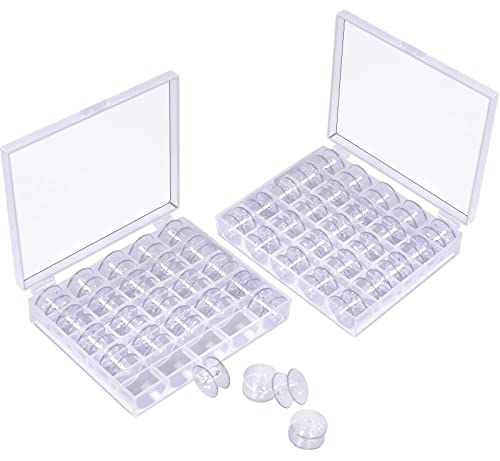
Yarnology bobbins are designed with the user experience in mind, particularly when it comes to the winding process. They have a smooth finish that prevents snagging, which is essential when working with delicate or high-twist yarns.
The ease of winding is a major plus if you have a lot of yarn to prep before you even cast on. A smooth, snag-free bobbin means less stress on your yarn fibers, which keeps the yarn in better condition throughout the knitting process.
These are a great "middle-of-the-road" choice for knitters who want quality without a high price tag. They are sturdy enough to last through many projects but simple enough to use without a learning curve.
Cocoknits Stitch Stoppers: Best for Cable Projects
While technically not a bobbin in the traditional sense, Cocoknits stitch stoppers are indispensable for cable work. When you are moving back and forth between cable needles and your main project, these keep your work secure and organized.
In multi-color cable work, you often have to put stitches on hold or swap needles frequently. Using these stoppers prevents your yarn from slipping off the needles, which is often where the real tangling occurs.
Think of these as an essential companion to your bobbins. While the bobbins manage the yarn, the stoppers manage the fabric, and using both together is the secret to a stress-free, multi-color experience.
How to Manage Multiple Colors in Complex Cables
Managing colors in cables requires a disciplined approach to how you hold your yarn. I always recommend keeping your working colors in a specific order in your lap or a yarn bowl to prevent them from twisting around each other.
Whenever you finish a row, take a moment to "untwist" your bobbins. If you don’t, the yarn will naturally wind itself together as you turn your work, creating a nightmare of knots by the time you reach the end of the project.
Consistency is key; always pick up your yarn from the same side of the bobbin. This small habit prevents unnecessary tension fluctuations that can make your cable crosses look lopsided or uneven.
Preventing Tangled Yarn During Multi-color Work
The biggest mistake knitters make is letting bobbins hang freely against the fabric. The weight of the bobbin pulls on the stitches, which creates irregular tension and can even cause the yarn to slip off the bobbin.
Instead, try to keep your bobbins resting on a flat surface or in a shallow tray as you knit. This keeps the weight off the fabric and allows the yarn to feed smoothly as you move your needles.
If you are knitting on the go, consider using a yarn separator or a bag with multiple grommets. This keeps each bobbin isolated, ensuring that no matter how much you move, your colors stay distinct and tangle-free.
Best Practices for Maintaining Even Yarn Tension
Tension in multi-color cable work is often dictated by how you carry the yarn across the back of the work. If you pull the yarn too tight, your cables will pucker; too loose, and you will have unsightly loops.
When crossing your cables, make sure to catch the float of the non-working color if you are carrying it across more than two stitches. This keeps the back of your work neat and prevents the yarn from snagging on your fingers or buttons.
Finally, remember that different fibers have different "memory" and elasticity. A wool yarn will be more forgiving than a cotton or plant-based fiber, so adjust your tension accordingly. Always swatch your specific color combination to see how the yarn behaves before committing to the full project.
Successful multi-color cable work is a blend of technical skill and smart tool selection. By choosing the right bobbin for your specific project needs and maintaining an orderly workspace, you can focus on the beauty of the stitches rather than the mess of the yarn. Remember that every knitter develops their own rhythm, so don’t be afraid to experiment with these tools until you find the setup that feels most intuitive to you. With these strategies in your repertoire, you are well-equipped to tackle even the most ambitious, multi-colored cable designs with confidence.