6 Best Yarn Storage Cabinets For Climate Control
Protect your yarn from humidity and pests with these 6 climate-controlled cabinets. Discover top storage solutions to keep your fiber stash in pristine shape.
Building a dedicated sanctuary for your yarn collection is as vital to your craft as choosing the right needle material for a complex lace project. Proper storage does more than just keep your home tidy; it acts as a fortress against the environmental factors that can degrade delicate wool, silk, and alpaca fibers. These six cabinet recommendations balance aesthetic appeal with the structural integrity needed to protect your precious stash. By investing in the right furniture, you ensure your hand-dyed skeins remain in pristine condition for years to come.
IKEA Billy Bookcase with Glass Doors: Best Overall


The Billy bookcase is a staple in many homes, but adding the glass doors transforms it into an ideal display and protection unit for any yarn enthusiast. It offers a dust-free environment while keeping your color palette visible, which is crucial when you are hunting for the perfect contrast for a stranded colorwork project.
The adjustable shelving is the real hero here, allowing you to customize the height based on your storage method. Whether you store your yarn in clear bins or neatly stacked by fiber content, you can maximize every inch of vertical space.
Be mindful that while the glass doors provide a barrier against dust and curious pets, they do not create an airtight seal. You should still place cedar sachets or lavender bags inside to deter moths, as the cabinet itself is not a vacuum-sealed vault.
Sauder Homeplus Storage Cabinet: Best for Large Stash

If your stash has grown from a few skeins to a full-blown fiber library, the Sauder Homeplus provides the heavy-duty capacity required for serious collectors. Its deep shelving accommodates bulkier items like sweater quantities of worsted weight wool or large cones of weaving yarn.
The solid door construction is a major advantage for long-term storage because it blocks out direct sunlight. UV rays are notorious for fading vibrant hand-dyed yarns, turning a rich indigo into a washed-out blue over time.
Because this unit is quite large, consider placing it against an interior wall rather than an exterior one. This helps maintain a more stable internal temperature, preventing the fluctuations that can stress natural fibers.
Prepac Elite Storage Cabinet: Best for Organization

The Prepac Elite is a dream for knitters who suffer from "stash amnesia" and struggle to find specific yardage when inspiration strikes. Its adjustable shelves and sturdy build make it easy to categorize your collection by weight, fiber type, or project potential.
I recommend using the shelf space to group your yarns by WPI (wraps per inch), which is the most reliable way to gauge the thickness of unknown scraps. By keeping your laceweight separate from your bulky yarns, you save precious time when you are ready to cast on.
The clean, utilitarian design fits well in a dedicated craft room or home office. It is a workhorse cabinet, prioritizing function and accessibility over decorative flair, which is exactly what you need when you are deep into a project.
Winsome Wood Halifax Cabinet: Best Compact Option
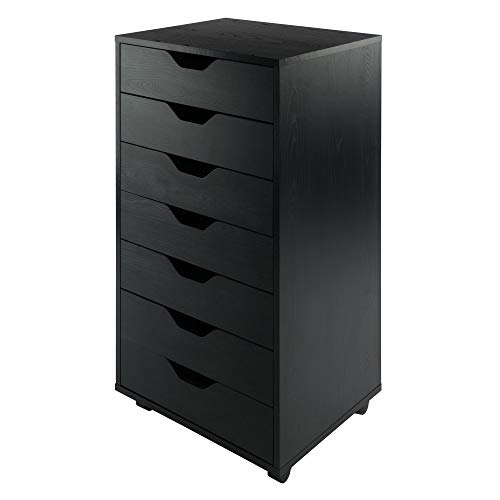
For those working with limited square footage, the Winsome Wood Halifax offers a modular solution that fits into tight corners. Its drawer-based design is excellent for keeping smaller quantities, like sock yarn leftovers or luxury fiber blends, tucked away safely.
Drawers are particularly useful for keeping delicate fibers like mohair or angora from getting tangled with more abrasive, high-twist wools. You can easily sort your materials by color or dye lot without worrying about them shifting around.
Keep in mind that drawers can sometimes be hard to see into if you have a massive collection. Use clear dividers or labels on the front of each drawer to keep your inventory organized at a glance.
Systembuild Evolution Cabinet: Best Value Selection

The Systembuild Evolution provides a balanced middle ground for knitters who need protection without breaking the bank. It offers a clean, enclosed space that keeps your yarn away from household dust and humidity, which is essential for maintaining the loft and elasticity of your wool.
The materials are lightweight, which makes assembly straightforward, though you should ensure the unit is properly anchored to the wall. A fully loaded cabinet of yarn is surprisingly heavy, and stability is non-negotiable in a busy home.
This cabinet is a great "starter" piece that allows you to allocate more of your budget toward high-quality yarn rather than expensive furniture. It serves its purpose well by providing a dark, cool, and dry environment for your collection.
Homfa Bathroom Floor Cabinet: Best for Small Spaces
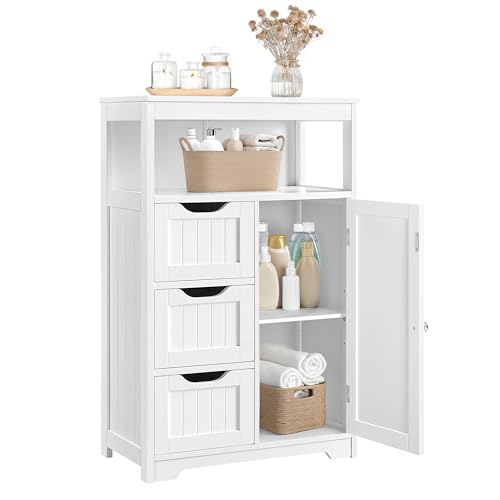
Don’t let the name fool you; this compact cabinet is a hidden gem for small-scale yarn storage. Its slim profile makes it perfect for tucking into a nook between a bookshelf and a desk, where it can hold a surprising amount of yarn.
The combination of open and closed storage gives you the best of both worlds. You can display your favorite hand-dyed skeins on the open shelf while hiding your "work-in-progress" bags or less aesthetic utility yarns behind the closed door.
Because it is small, it is easy to move if your knitting nook changes locations. Just be sure to keep it away from direct heat sources like radiators, as localized heat can dry out natural fibers and make them brittle.
Why Climate Control Matters for Natural Yarn Fibers
Natural fibers like wool, alpaca, and silk are hygroscopic, meaning they absorb and release moisture from the air. When humidity levels fluctuate wildly, these fibers can expand and contract, which eventually weakens the structure of the yarn and impacts its ability to hold a stitch.
- Wool: Prefers stable humidity; too dry, and it loses its natural lanolin and elasticity.
- Silk: Sensitive to light and extreme heat, which can cause the fibers to yellow or lose their luster.
- Plant fibers: Cotton and linen are prone to mildew if stored in damp, unventilated spaces.
Consistent climate control is the difference between a skein that feels bouncy and vibrant and one that feels "dead" or lifeless. A stable environment ensures that when you finally reach for that special yarn, it is as soft and strong as the day you bought it.
Essential Tips for Preventing Moth and Pest Damage
Moths are the sworn enemy of every serious knitter, and they are particularly attracted to clean, protein-rich fibers like wool and cashmere. Prevention is far more effective than trying to salvage a collection once an infestation has begun.
- Wash before storing: Always wash your finished garments before putting them away for the season, as moths are attracted to skin oils and food residue.
- Use natural repellents: Cedar blocks and dried lavender are excellent, non-toxic ways to deter pests within your cabinets.
- Seal the gaps: If your cabinet has gaps, use weather stripping to create a tighter seal that prevents pests from entering.
If you ever find evidence of moths, immediately bag the affected yarn and place it in the freezer for at least 72 hours. This extreme cold is the most reliable way to kill eggs and larvae without using harsh chemicals on your fiber.
How to Organize Your Yarn Stash for Easy Access
Organization is not just about aesthetics; it is about reducing the friction between you and your next project. I find that sorting by weight is the most practical method, as it immediately tells you what you have available for a specific pattern.
Within each weight category, I organize by fiber content, keeping my superwash wools separate from my non-superwash and luxury blends. This prevents the "pilling" that can occur when high-friction, grippy fibers rub against smoother, silkier ones over time.
Finally, consider keeping a digital inventory or a simple notebook listing your stash. Knowing exactly how many grams of a specific colorway you have can save you from the heartbreak of running out of yarn three rows before finishing a sleeve.
Best Practices for Long Term Yarn Fiber Preservation
Long-term preservation is about minimizing environmental stress on your fibers. Avoid storing yarn in direct sunlight, as UV rays will degrade the dye molecules and weaken the fiber structure over time.
Ensure your storage area has adequate airflow, even if it is enclosed. Completely airtight plastic bags can sometimes trap moisture, leading to a musty smell or even mold growth if the yarn wasn’t perfectly dry when packed.
If you are storing yarn for several years, rotate your stock periodically. Gently shaking out your skeins and re-stacking them prevents the bottom layers from becoming overly compressed, which can permanently flatten the crimp and loft of wool fibers.
Investing in the right storage is a commitment to the longevity of your craft and the preservation of your hard-earned investments. By choosing a cabinet that offers protection from light, pests, and humidity, you ensure your stash remains a source of joy rather than stress. Remember that the best storage solution is one that fits your space, your collection size, and your personal organizational style. May your shelves remain full of inspiration and your needles always stay busy.