7 Best Spinning Tools For Handspun Yarn To Own
Elevate your craft with our guide to the 7 best spinning tools. From versatile spindles to efficient wheels, discover the essentials for expert yarn creation.
Mastering the art of spinning your own yarn transforms your knitting from a simple craft into a holistic creative journey. The right tools dictate not just the speed of your production, but the very character and consistency of the fiber you produce. Whether you are aiming for a rustic, textured singles yarn or a smooth, high-twist plied wool for lace, your equipment serves as the foundation of your work. This guide breaks down the essential gear that will help you move from raw fleece to finished sweater with confidence.
Schacht Matchless Spinning Wheel: Best Overall


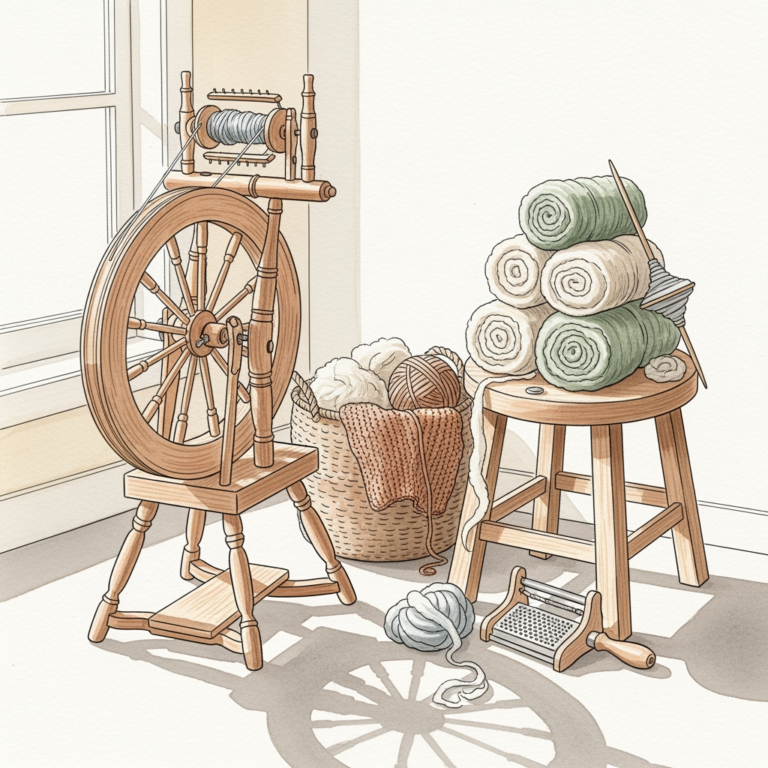
The Schacht Matchless is the gold standard for a reason: it is incredibly smooth, highly adjustable, and built to last a lifetime. If you are serious about spinning a wide variety of yarns, from gossamer-thin lace weight to thick, chunky art yarns, this wheel handles the transition with ease.
The double treadle action is designed for ergonomic comfort, reducing fatigue during long spinning sessions. When you are sitting at your wheel for hours, the ability to maintain a steady, rhythmic pace without straining your hips or ankles is a game-changer.
While it is a significant financial commitment, the versatility of the Matchless means you likely won’t need to "upgrade" later. It offers a wide range of ratios, allowing you to control the amount of twist you put into your fiber precisely.
Kromski Sonata Folding Wheel: Best for Travel
If your knitting group meets at a local cafe or you travel to retreats, the Kromski Sonata is a brilliant companion. It folds down into its own carrying bag, making it one of the few full-sized wheels that truly travels well without sacrificing performance.
Despite its portability, it feels substantial and stable while in use. You don’t get that "wobbly" feeling that plagues some lighter, cheaper folding models.
The tradeoff here is the setup time. You will need to get comfortable with the folding mechanism, but once you’ve done it a few times, it becomes second nature. It is the perfect choice for the knitter who refuses to leave their spinning behind on vacation.
Ashford Traditional Wheel: Best for Beginners
The Ashford Traditional is a classic for a reason: it is simple, reliable, and teaches you the mechanics of spinning better than almost any other wheel. Its straightforward design allows you to see exactly how the drive band and flyer interact with your fiber.
Many beginners find the open design less intimidating than modern, enclosed wheels. If something goes wrong—like a drive band popping off or a tangle in the flyer—it is immediately obvious and easy to fix.
Because these wheels have been around for decades, spare parts are universally available. Even if you buy one used, you can likely find a replacement bobbin or drive band at any local fiber shop.
Bosworth Turkish Spindle: Best for Beginners

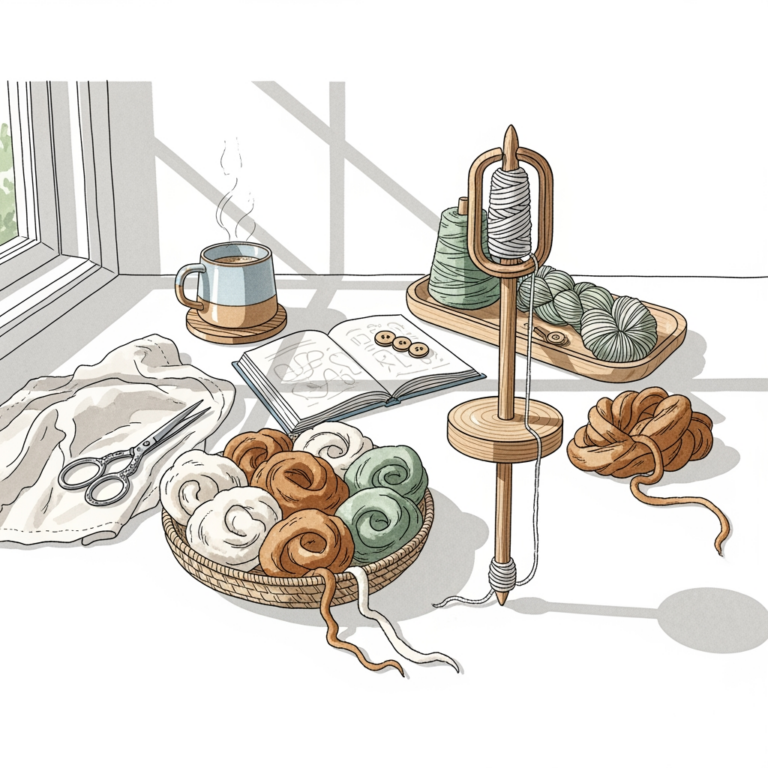
Spindle spinning is the most intimate way to connect with your fiber, and the Bosworth Turkish spindle is a masterclass in balance. Its weight distribution is legendary, providing a long, consistent spin that gives you plenty of time to draft your fiber.
The Turkish style is unique because the spindle comes apart, allowing you to slide your finished yarn off as a center-pull ball. This saves you the time and frustration of winding your singles onto a nostepinne later.
Don’t be fooled by the simplicity of a spindle. Mastering the "park and draft" method—where you spin the spindle, park it between your knees, and draft your fiber—is the fastest way to learn how twist travels through a fiber supply.
Jenkins Turkish Spindle: Best for Fine Yarns
When you want to spin high-twist, fine-gauge yarns for delicate shawls, the Jenkins Turkish spindle is the jeweler’s tool of the fiber world. These spindles are incredibly lightweight, which prevents the weight of the spindle from snapping thin, fragile singles.
The craftsmanship on these spindles is exquisite, and they are balanced with a level of precision that is rare. When you spin fine wool or silk, you need a tool that doesn’t add drag or momentum that could cause your yarn to break.
Because they are so light, they do require a bit more "finesse" to get a long spin. They are not designed for thick, bulky spinning, but for the fine-weight enthusiast, they are an absolute joy.
Schacht Hi-Lo Drop Spindle: Best for Versatility

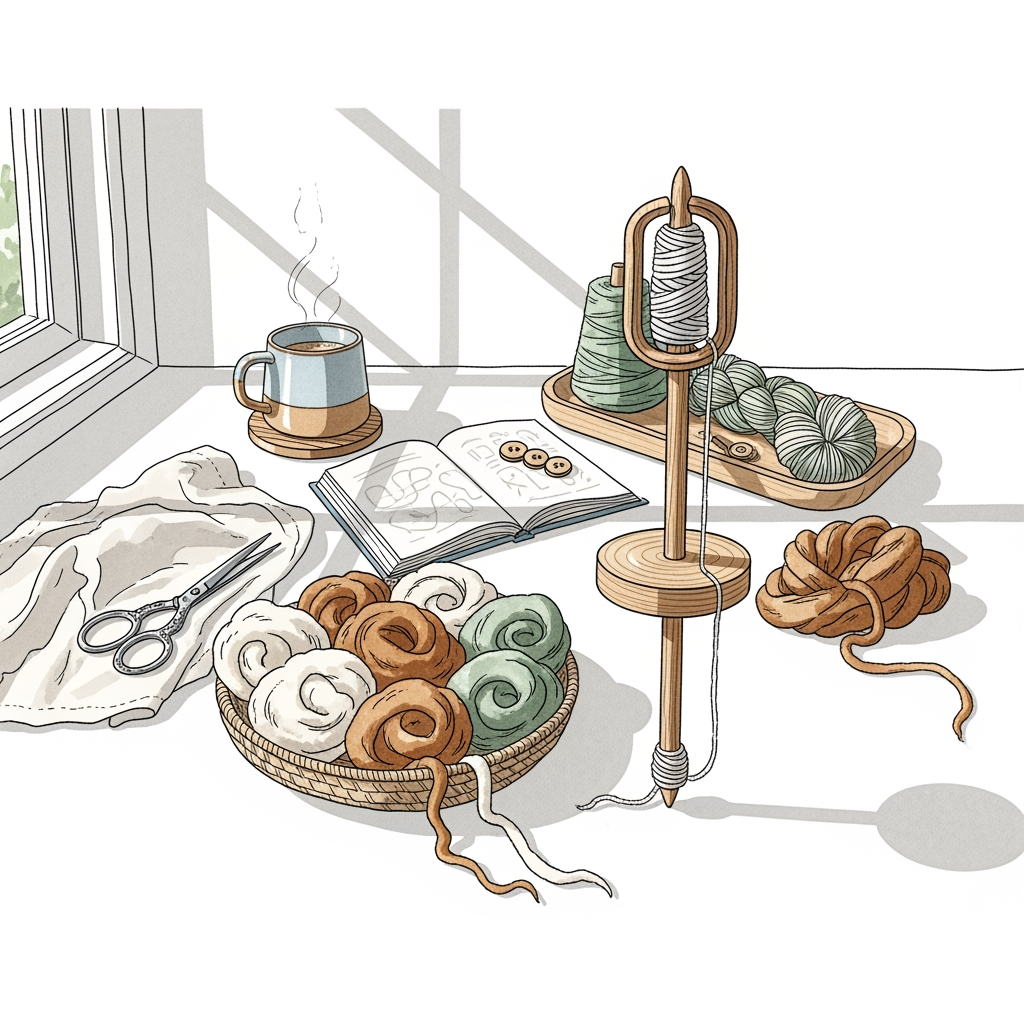
The Schacht Hi-Lo is the "Swiss Army Knife" of drop spindles. It features a clever design that allows you to configure it as either a top-whorl or bottom-whorl spindle, depending on your preference.
A top-whorl setup is generally faster and better for fine, quick spinning, while a bottom-whorl provides more stability for heavier, thicker yarns. Having both options in one tool allows you to experiment without buying multiple spindles.
It is a durable, no-nonsense tool that can take a beating. If you are prone to dropping your spindle on a hardwood floor, this is the one that will survive the impact.
Strauch Mad Battino Drum Carder: Top Investment

Once you start blending your own fibers—mixing wool with mohair or silk for custom colorways—a drum carder becomes essential. The Strauch Mad Battino is a workhorse that produces large, uniform batts of fiber.
The quality of your yarn starts with the prep. If your fiber is clumpy or unevenly blended, your yarn will be lumpy, which can cause uneven gauge in your finished knitting. A good drum carder ensures your fibers are aligned and perfectly mixed.
This is a professional-grade tool. While it is an investment, the time it saves you compared to hand-carding is immense, and the consistency of the resulting yarn is unmatched.
Essential Fiber Prep Tools for Handspun Yarn
Before the fiber hits the wheel, it needs to be opened up and aligned. Without proper preparation, you will find yourself fighting "nubs" and slubs in your yarn that you didn’t intend to have.
- Hand Carders: Perfect for blending small amounts of color or different fiber types.
- Wool Combs: Essential for long-staple fibers like Lincoln or Bluefaced Leicester to create a worsted-style, smooth yarn.
- Blending Board: A flat, carded surface that allows you to create artistic "rolags" with bits of silk or sparkle.
Always remember that fiber prep is 70% of the spinning process. If you put effort into your prep, your spinning will be twice as fast and your finished garment will have a much more professional drape.
How to Choose Your First Spinning Equipment
Start by asking yourself what kind of yarn you actually want to knit. If you love rustic, chunky sweaters, you need a wheel with a large orifice and a flyer that can handle thick yarn. If you are a lace knitter, look for a wheel with high ratios.
Don’t feel pressured to buy the most expensive wheel immediately. Many spinners start with a drop spindle, master the basics of drafting, and then move to a wheel once they understand their own spinning style.
Visit a local fiber festival or guild meeting. Most spinners are happy to let you sit down and try their wheel for a few minutes. That "feel" is something you cannot get from reading an online review.
Maintenance Tips for Your Spinning Tools
Spinning wheels are mechanical devices that require regular love. Keep your wheel clean by wiping down the wood with a soft cloth and ensuring the flyer and bobbin are free of stray fiber or dust.
Lubrication is the most important maintenance task. Use a light, high-quality machine oil on all moving parts—the flyer bearings, the treadle hinges, and the bobbin shaft—at least once a month.
Check your drive band tension regularly. As fiber builds up on the bobbin, the tension will change; learning to adjust this on the fly is a core skill for any spinner. A well-oiled, well-maintained wheel will spin silently and effortlessly for decades.
Spinning your own yarn is a rewarding pursuit that bridges the gap between the raw fleece and the final stitch. By choosing tools that suit your specific style—whether that is portable spindles or a stationary, high-performance wheel—you set yourself up for success. Remember that every spinner develops their own "hand," and your equipment should support your unique rhythm rather than dictate it. Happy spinning, and may your bobbins always be full of beautiful, handspun yarn.