6 Best Cedar Sachets For Moth Protection To Use
Protect your wardrobe with our top 6 cedar sachets. Learn how these natural repellents effectively guard garments against moths while keeping closets fresh.
There is nothing more heartbreaking than pulling your favorite hand-knit sweater from storage only to find tiny, moth-made holes in the yoke. Protecting your hard-earned stitches requires a proactive defense rather than a reactive fix. Natural cedar remains the gold standard for keeping clothes moths at bay without the harsh chemical odor of traditional mothballs. Here are the best cedar options to safeguard your precious wool stash throughout the changing seasons.
Woodlore Cedar Fresh Cedar Hang-Ups: Best Overall


These hang-ups are the workhorses of a serious knitter’s closet. Designed to hook directly onto your garment rack, they provide a consistent aroma that keeps adult moths from settling into your favorite cardigans.
The beauty here is the surface area; because they hang vertically, they circulate the scent effectively through the shoulders of your sweaters. This is vital because moths love to congregate in the dark, folded crevices of wool garments where they can lay eggs undisturbed.
If you have a collection of high-end, hand-dyed wool or cashmere, these are your first line of defense. They are sturdy, reliable, and won’t leave residue on your delicate fibers.
Household Essentials Cedar Blocks: Best for Drawers

When you are storing sweaters flat—which you should be, to prevent shoulder distortion—cedar blocks are your best friends. These small, solid rectangles tuck easily into the corners of a storage bin or between folded stacks of wool.
Because they are dense, they hold their scent longer than smaller, thinner pieces of wood. I recommend placing one at each corner of your storage container to ensure the entire micro-environment is saturated with the scent.
Just be mindful that cedar can sometimes leave a faint oil mark on very light-colored, delicate yarns. It is a good practice to wrap the blocks in a small piece of muslin or a scrap of cotton fabric before tucking them against your knits.
CedarFresh Cedar Cubes: Best Value Moth Protection

If you have a large stash of yarn or a massive collection of finished garments, you need a cost-effective solution. These cubes come in bulk and are perfect for scattering throughout bins of yarn scraps or project bags.
Their small size makes them incredibly versatile. You can throw a handful into a zippered storage bag filled with wool yarn, ensuring the scent reaches every skein.
While they aren’t as powerful as a large plank, their sheer quantity makes up for it. Use them liberally in your storage bins, but remember to replace them more frequently than larger blocks.
Scented Cedar Co. Cedar Rings: Best for Closets

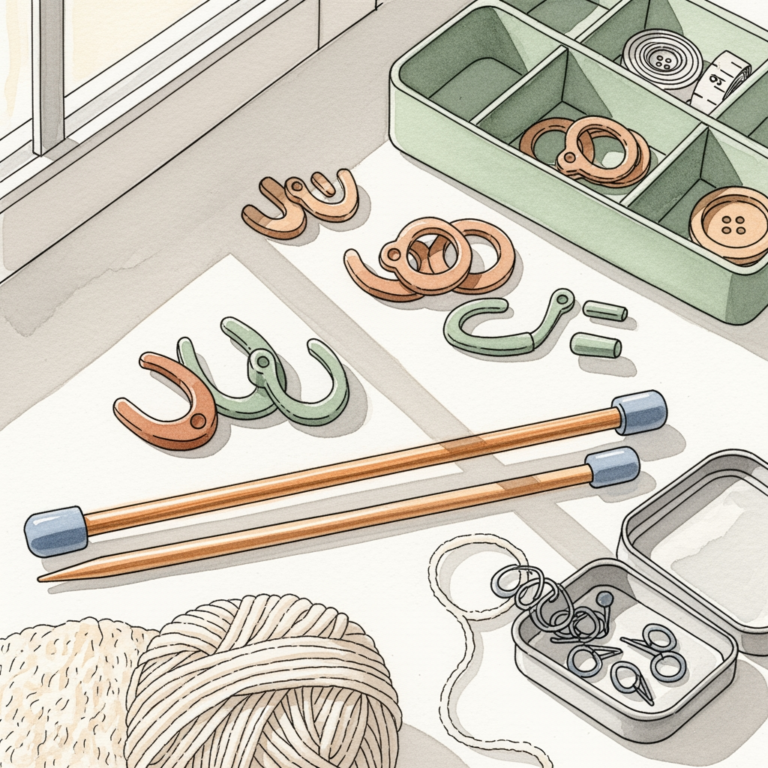
These rings are designed with a clever hole in the center, allowing them to slide right onto the neck of your clothes hangers. They are perfect for those "in-rotation" sweaters that you wear regularly but still want to protect.
They sit right at the top of the garment, which is exactly where moths tend to target if you’ve recently worn a sweater and haven’t washed it yet. Even if you aren’t storing the item long-term, having that layer of protection is a smart habit.
Just ensure the rings don’t rub against delicate lace or intricate cable work. While smooth, any constant friction against fine wool can cause minor pilling over time.
Moth-Prevention Cedar Planks: Best Heavy Duty Pick
For long-term storage in attics or basements, you need something that packs a punch. These thicker, heavier planks provide a more concentrated and long-lasting cedar aroma than smaller accessories.
I suggest using these in the bottom of large storage chests or trunks where you keep your "off-season" knits. Their density allows for a slow release of oils, which is exactly what you want for deep-storage protection.
They are an investment, but they are far cheaper than replacing a hand-knit sweater that has been decimated by larvae. Treat these as the foundation of your storage strategy.
Richards Homewares Cedar Balls: Best for Storage

Cedar balls are the classic choice for a reason: they are small, portable, and fit into tight spaces. I love using these inside the sleeves of my sweaters or tucked into the toes of hand-knit socks.
They are particularly useful when you are packing away a project bag that contains a mix of yarn and needles. Because they roll, they can find their way into the odd gaps between balls of yarn.
However, keep them away from pets or small children, as their size makes them a potential choking hazard. Always count them when you take your sweaters out so you don’t lose one in the depths of your closet.
Why Natural Cedar is Vital for Your Wool Stash
Moths are attracted to the keratin in animal fibers like wool, alpaca, and cashmere. If you don’t protect these fibers, you are essentially providing a buffet for larvae.
Cedar works by emitting aromatic oils that repel adult moths, preventing them from laying eggs in your yarn. It is a natural, non-toxic alternative to naphthalene-based mothballs, which smell terrible and can be harmful to your health.
While cedar won’t kill existing moth larvae, it creates an environment where moths simply do not want to be. It is the most responsible way to maintain a collection of natural fibers.
How to Properly Refresh Your Cedar Moth Repellents
Cedar is not a "set it and forget it" solution. Over time, the surface oils oxidize and the scent fades, meaning the protection effectively disappears.
To refresh your cedar, lightly sand the surface with fine-grit sandpaper. This opens up the wood fibers and releases a fresh wave of aromatic oils.

Alternatively, you can purchase cedar essential oil and apply a drop or two to the wood. Let it soak in completely before placing it back against your wool to avoid any staining.
Essential Tips for Storing Hand-Knits Long Term
Always, always wash your knits before storing them. Even if you don’t think they are dirty, skin oils, perfume, and food particles are like a dinner bell for moths.
Store your items in breathable containers, such as cotton garment bags or acid-free cardboard boxes. Avoid plastic tubs if possible, as they can trap moisture, which leads to mildew—a knitter’s other worst nightmare.
If you must use plastic, ensure the items are 100% dry and toss in a silica packet alongside your cedar. A little bit of extra care during the packing process saves you from a lot of heartache in the spring.
Common Signs of Moth Damage and How to Treat It
The most obvious sign is small, irregular holes in your fabric, often located in hidden areas like underarms or folds. You might also find tiny, web-like cocoons or gritty "frass" that looks like fine sawdust.
If you suspect damage, isolate the garment immediately in a sealed plastic bag. Freeze the item for at least 72 hours to kill any potential eggs or larvae, then wash it according to the fiber’s requirements.
Don’t panic if you find a hole; it can often be fixed with a bit of duplicate stitch or careful darning. The key is to catch it early and treat the entire storage area to prevent the infestation from spreading.
Investing in cedar is a small price to pay for the peace of mind that comes with knowing your knitting is safe. By keeping your storage clean, dry, and scented, you can ensure your hand-knits last for generations. May your stitches remain hole-free and your stash stay protected for years to come.