6 Best Silicone Cord Stoppers For Project Pauses
Keep your knitting projects secure with our top 6 silicone cord stoppers. Discover durable, slip-free options that prevent stitches from sliding off needles.
Nothing halts the momentum of a beautiful project quite like the fear of losing stitches when you need to switch needles or take a long break. Silicone cord stoppers are the unsung heroes of the knitting bag, transforming your flexible cables into secure, stitch-holding vessels. These small, unassuming tools prevent the dreaded "runaway stitch" that can ruin hours of careful work. Choosing the right set for your specific needle system is the difference between peace of mind and a dropped-stitch disaster.


ChiaoGoo Silicone Cord End Caps: The Gold Standard

ChiaoGoo has earned its reputation for precision, and their cord end caps are no exception. These stoppers are designed to fit seamlessly onto the brand’s signature red cables, providing a snug, reliable seal that won’t pop off in your project bag.
The beauty of these caps lies in their minimalist, low-profile design. They don’t add unnecessary bulk, which is vital when you are packing a project into a tight knitting tote or a delicate project pouch.
Because they are made from a high-quality, slightly tacky silicone, they grip the metal threads of the cable connector firmly. You won’t find yourself constantly checking to see if theyâve wiggled loose during a commute.
The bottom line: If you already invest in the ChiaoGoo ecosystem, these are the only stoppers you should reach for. They offer the perfect balance of grip and ease of removal.
KnitPicks Interchangeable Needle Silicone Stoppers

KnitPicks stoppers are a staple in many knitters’ collections because they are widely available and incredibly functional. They feature a simple, rounded design that is easy to grip, even for those with limited hand dexterity.
These stoppers are particularly useful for beginners who are just starting to build their interchangeable needle sets. They are affordable enough that you can keep a few pairs stashed in every project bag without breaking the bank.
One thing to note is that they are designed specifically for the KnitPicks/KnitPro threading system. While they fit securely, they can sometimes be a bit stiff when new, so don’t be afraid to give them a firm twist to ensure they are fully seated.
The bottom line: These are the reliable workhorses of the knitting world. They are an excellent, budget-friendly choice that gets the job done without any fuss.
Lykke Interchangeable Needle Silicone End Caps

Lykke is known for their stunning aesthetic, and their silicone end caps reflect that same attention to detail. These caps are designed to complement the beautiful driftwood and copper finishes of their needle sets.
Beyond the look, these caps provide a very secure hold on the cable. Because Lykke cables are known for their flexibility, having a stopper that doesn’t add weight or drag is essential for keeping your work balanced while it rests.
I find these particularly useful when working with delicate fibers like silk or alpaca. The smooth finish of the silicone ensures that even if a stray yarn fiber catches on the stopper, it won’t snag or pull the delicate plies.
The bottom line: If you value tools that are as beautiful as they are functional, these are a perfect match. They provide a secure, snag-free hold for your most precious projects.
HiyaHiya Interchangeable Needle Silicone Stoppers
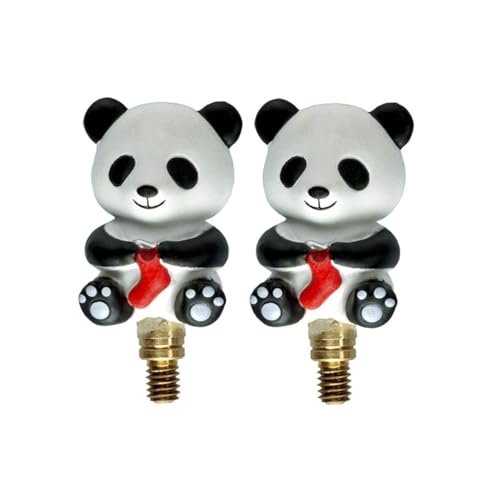
HiyaHiya stoppers are distinct because they are often shaped like little bears, which adds a touch of whimsy to your knitting kit. Don’t let the cute design fool you, though; they are highly effective at keeping your stitches safe.
The material used here is slightly softer than some of the other brands, which allows it to conform perfectly to the cable’s threading. This creates an airtight seal that is incredibly reassuring when you are storing a project for an extended period.
They are especially great for those who use HiyaHiya’s swivel cables. The stopper doesn’t interfere with the swivel mechanism, allowing the cable to remain flexible and kink-free even when the needles are removed.
The bottom line: These are a fantastic choice if you want a reliable stopper that also brings a bit of personality to your knitting bag. The soft silicone provides an excellent, secure fit.
Addi Click Interchangeable Needle Silicone Caps

The Addi Click system is unique because it uses a push-and-twist mechanism rather than a traditional screw-in thread. Consequently, their silicone caps are engineered to lock into that specific "click" interface.
These caps are incredibly robust and feel very substantial in the hand. Because the Addi system is so secure, these caps essentially turn your cable into a permanent stitch holder, which is ideal for long-term storage of sweaters or blankets.
One minor tradeoff is that they can be slightly harder to remove if you have arthritis or hand pain, as they require a firm grip to disengage the click mechanism. However, this is a small price to pay for the ultimate security they provide.
The bottom line: If you use the Addi Click system, these are a non-negotiable accessory. They offer the most secure connection of any stopper on the market.
Seeknit Koshitsu Interchangeable Needle Stoppers
Seeknit Koshitsu needles are crafted from high-quality Japanese bamboo, and their stoppers are designed with that same artisan sensibility. They are a great choice if you prefer a more natural feel in your tools.
These stoppers are lightweight and unobtrusive, making them perfect for projects that you plan to carry around often. They won’t weigh down your cable or pull on your stitches, which is vital for maintaining even tension.
While they are made of silicone, they have a slightly different texture than the synthetic-feeling caps from other brands. They feel a bit more "grippy," which is helpful if you find that your hands tend to slip when attaching or removing stoppers.
The bottom line: These are an excellent choice for the knitter who appreciates fine craftsmanship. They provide a secure, lightweight hold that won’t interfere with the drape of your yarn.
Why Silicone Stoppers Are Essential for Knitters
Silicone stoppers are the primary defense against the "project bag migration" of stitches. When you remove your needles to use them for another project, your stitches are left vulnerable to unraveling or snagging on the interior of your bag.
Using a stopper effectively "closes" the loop of your knitting. This turns a long, flexible cable into a secure ring, preventing stitches from sliding off the ends entirely.
Beyond security, they also help you organize your WIPs (Works in Progress). By keeping the needles free for other projects, you can work on multiple items simultaneously without having to finish one before starting another.
The bottom line: Never leave a cable open. A few seconds spent securing your stitches with a stopper is always worth the peace of mind.
How to Properly Secure Your Stitches for Storage
When you are ready to pause, first ensure that all your stitches are safely on the cable and away from the join. Then, carefully unscrew your needle tips and immediately replace them with the silicone stoppers.
If you are working on a project with a high stitch count, be sure to slide your stitches to the center of the cable before attaching the stoppers. This ensures that the weight of the fabric is distributed evenly and doesn’t pull on the stopper-cable connection.
It is also helpful to check the tightness of your stoppers periodically if you are storing a project for months at a time. A quick twist every few weeks ensures that the seal remains secure and no stitches have migrated toward the end.
The bottom line: Treat your stored project with the same care as your active project. A little bit of maintenance keeps your stitches safe during the long wait.
Tips for Preventing Cable Kinks During Pauses
Cables can develop permanent kinks if they are stored in a cramped position for too long. When you pause your project, try to coil the cable in a large, loose circle rather than folding it into sharp angles.
If you are storing a project in a small bag, consider using a larger project pouch that allows the cable to lay flat. This prevents the "memory" of the plastic from setting into a kinked shape.
If your cable does get a kink, you can often "relax" it by soaking the cable (not the needles or your knitting) in warm water for a few minutes. This softens the material and allows you to gently straighten it out.
The bottom line: Proper storage is just as important as the tools you use. Keep your cables relaxed, and they will reward you with a smooth knitting experience.
Frequently Asked Questions About Cord Stoppers
- Do I need a different stopper for every needle size? No, most brands organize their stoppers by cable connection size (e.g., Small, Large, or specific thread sizes) rather than needle diameter.
- Can I use a stopper from one brand on another brand’s cable? Generally, no. Different brands use different threading systems, so it is best to stick with the stoppers designed for your specific cable brand.
- What if I lose my stoppers? In a pinch, you can tie a small piece of waste yarn into a tight knot at the end of the cable, but you should invest in proper stoppers as soon as possible for better security.
- Do these stoppers wear out? Silicone is durable, but it can lose its grip over many years. If you notice the stopper sliding off easily, it is time for a replacement.
The bottom line: When in doubt, check your needle brand’s compatibility chart. Matching your stopper to your cable system is the best way to ensure a secure fit.
Investing in a quality set of silicone cord stoppers is one of the most practical upgrades you can make to your knitting toolkit. These small, inexpensive items save you from the heartbreak of lost stitches and allow you to manage multiple projects with total confidence. By choosing the right stoppers for your specific needle system, you ensure that your work stays safe and ready for whenever inspiration strikes again. Happy knitting, and may your stitches always stay exactly where you put them.