7 Best Wool Wash Liquids for Post-Dye Care to Use
Preserve your hand-dyed wool with our top 7 gentle wash liquids. Learn how to maintain vibrant colors and soft fibers with these expert-approved, safe picks.
After spending dozens of hours knitting a project, the final soak is the most nerve-wracking moment for any fiber artist. Using the wrong detergent can strip the natural oils from wool or cause your carefully placed colors to bleed into one another. Choosing the right wash is an investment in the longevity of your handiwork. Here are the best products to ensure your hard-earned stitches remain vibrant and soft for years to come.
Eucalan Delicate Wash: Best for Gentle Fiber Care
Eucalan is a staple in my knitting bag because it is remarkably low-maintenance. It contains lanolin, which acts as a natural conditioner, helping to replenish the protective oils that wool loses during the spinning and dyeing process.
This is my go-to when I’ve finished a delicate lace shawl that needs a light touch. Because it is a no-rinse formula, you minimize the amount of agitation your garment undergoes, which is crucial for preventing accidental felting.
The trade-off here is the scent profile; the eucalyptus and lavender versions are quite potent. If you are sensitive to fragrances, opt for the unscented version to ensure your finished project doesn’t carry a lingering perfume.
Soak Wash: Best No-Rinse Option for Hand Knits
Soak is the gold standard for convenience, especially when you are blocking a large sweater that is too heavy to rinse repeatedly. It is formulated to be gentle enough that you simply submerge the item, squeeze out the excess, and lay it flat to dry.
I recommend this for knitters who work primarily with superwash wools or delicate blends. It cleans effectively without leaving a residue, which is vital if you are preparing a garment for long-term storage.
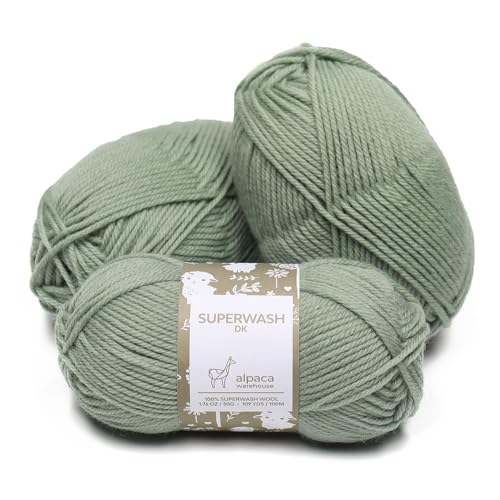

Be careful not to over-soak, though. While the product is gentle, leaving any wool submerged for more than 20 minutes can lead to excessive fiber swelling, which might slightly alter your finished gauge.
Kookaburra Wool Wash: Best for Deep Conditioning
Kookaburra is unique because it is designed to be a "wash and condition" hybrid that targets the fiber’s health. It uses tea tree oil, which is naturally antimicrobial and helps keep your woolens fresh between deep cleans.
If you are working with rustic, high-twist yarns that feel a bit scratchy, this wash is a game-changer. It softens the fibers significantly, making it ideal for items worn directly against the skin, like cowls or hats.
Keep in mind that this product is quite concentrated. A little goes a long way, so don’t be tempted to use a full capful unless you are washing a very large blanket.
Unicorn Fibre Wash: Best for Thorough Cleaning
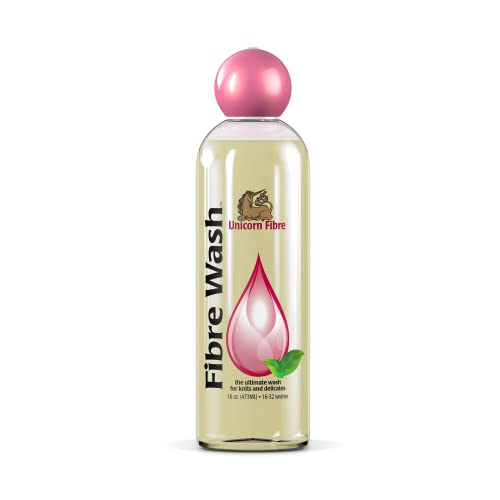
Unicorn Fibre Wash is a powerhouse for projects that have picked up a bit of grime or for vintage wool you’ve sourced from a stash. It is a pH-neutral cleaner that tackles dirt without stripping the natural integrity of the yarn.
I often suggest this for knitters who are washing hand-dyed yarns for the first time. It is excellent at lifting excess dye, which helps "set" the color and prevents future transfer when the item is worn.

Because it is so effective at cleaning, it doesn’t leave behind a softening agent. If you are using this on a particularly dry or brittle yarn, you may want to follow up with a light conditioner or a wool rinse.
Twig & Horn Wool Soap: Best for Natural Fibers
Twig & Horn offers a traditional soap-based cleaner that feels very authentic to the craft. It is formulated specifically for natural fibers, making it an excellent choice for breed-specific wools like Shetland or Icelandic.
The soap is gentle but effective, and it has a subtle, earthy scent that pairs perfectly with the natural smell of raw wool. It respects the "personality" of the fiber, maintaining the loft and bounce of your stitches.
Since this is a true soap, it does require a bit more attention during the rinsing process. Ensure you rinse thoroughly to prevent a soap film from dulling the luster of your yarn.
The Laundress Wool & Cashmere: Best for Luxury
When you have spent a fortune on hand-dyed cashmere or high-end alpaca, you want a wash that feels equally premium. The Laundress provides a sophisticated clean that smells like a high-end boutique and is incredibly gentle on luxury fibers.
This is my top recommendation for those heirloom-quality sweaters you want to keep in the family for decades. It is specifically formulated to protect fibers from moth damage, which is a massive plus for expensive natural fibers.
The price point is higher than other options, so I generally reserve this for my "special occasion" knits. It is a luxury product, but for investment pieces, it is well worth the extra cost.
Ecos Hypoallergenic Detergent: Best Budget Pick

Ecos is a fantastic, accessible option if you are washing a high volume of knits on a budget. It is plant-based and hypoallergenic, which makes it safe for those with sensitive skin or for baby garments.
While it isn’t specifically marketed as a "wool wash," it is gentle enough for most fibers. I find it works perfectly well for sturdy, everyday socks or cotton-blend projects that don’t require the specialized conditioning of a lanolin-based wash.
The only downside is the lack of specialized fiber-conditioning agents. If you use this on very delicate wool, just be aware that it won’t add the same "plumpness" to your stitches that a dedicated wool wash would.
Why Proper Washing Matters for Hand-Dyed Yarns
Washing is the final step of the construction process, not just a way to clean your clothes. When you wash a hand-dyed project, you are effectively "blooming" the yarn, allowing the fibers to relax into their final position.
If you skip this step, your stitches will look uneven and the fabric may feel stiff. Proper washing also helps to even out minor tension inconsistencies that occur naturally while knitting.
Always remember that hand-dyed yarn is a chemical process. A proper wash helps stabilize the pH of the fiber, which ensures that the color remains vibrant rather than fading prematurely.
How to Prevent Color Bleeding During First Wash
Color bleeding is the most common fear when washing hand-dyed yarn, but it is usually manageable. Always start with a cool water soak; hot water will almost always cause the dye to release more aggressively.
If you are worried about a specific high-contrast project—like a stranded colorwork sweater with black and white yarn—add a splash of white vinegar to your first rinse. This can help re-acidify the fiber and lock the dye in place.
Never let a multi-colored project sit in a pile while wet. If the colors are touching while damp, they are much more likely to transfer, so keep them submerged and move them directly to a drying towel.
Essential Tips for Drying Your Delicate Woolens
The way you dry your wool is just as important as the wash itself. Never hang a wet wool garment, as the weight of the water will stretch the fibers and ruin the shape of your hard work.
Instead, lay your project flat on a clean, dry towel, then roll the towel up like a burrito to squeeze out the excess moisture. This "towel-roll" method is the secret to getting your knits dry in hours rather than days.
Always block your item to the correct dimensions while it is damp. Use blocking wires or pins to define your edges, as the fabric will "set" into this shape once it is fully dry and the fibers have relaxed.
Taking the time to properly wash your knitwear is the best way to honor the hours of work you’ve invested in your craft. Whether you choose a simple no-rinse wash or a luxury conditioning soap, the goal is to maintain the fiber’s integrity and beauty. Treat your yarn with care, and it will continue to provide warmth and comfort for many years to come. Happy knitting, and enjoy the beautiful results of your final soak.