
6 Best Jewelry Wires For Structural Bead Work Tested
We tested six top jewelry wires for structural beadwork. Discover which materials offer the best durability, flexibility, and strength for your next project.
Choosing the right wire for structural bead work is much like selecting the perfect yarn weight for a complex lace shawl. If your foundation lacks the necessary tensile strength, even the most intricate design will lose its shape or snap under tension. This guide breaks down the best wires on the market to ensure your jewelry holds its form just as reliably as a well-blocked wool sweater. Whether you are a beginner or a seasoned crafter, finding the right balance between flexibility and durability is the secret to professional results.
Beadalon 49 Strand: The Industry Gold Standard
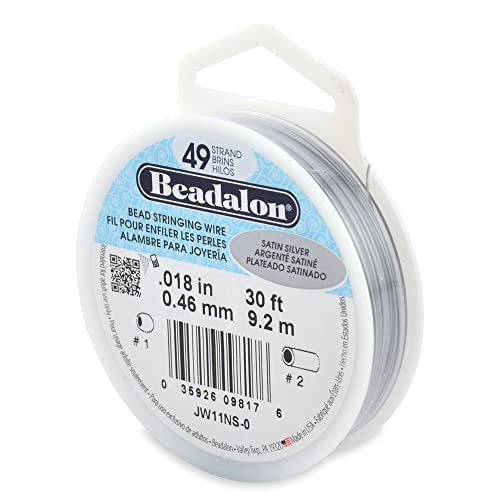

Beadalon 49 strand is the go-to choice for many, much like a reliable worsted weight merino wool that never lets you down. It consists of 49 tiny wires twisted together, offering a drape that feels almost like silk thread.
Because of this high strand count, it is incredibly kink-resistant. If you have ever fought with a stubborn, coiling yarn, you will appreciate how this wire behaves; it stays straight and supple, making it ideal for designs that need to flow around the neck or wrist.
However, its flexibility is a double-edged sword. While it drapes beautifully, it doesn’t hold a rigid shape on its own, so it is best suited for pieces that rely on the weight of the beads for structure rather than the wire itself.
Soft Flex Extreme: Best for Durability and Feel

Soft Flex Extreme is a premium option, specifically engineered to be as soft as thread but as strong as steel. It is the "luxury fiber" of the beading world, offering a supple feel that makes working with it a delight.
This wire is particularly excellent for pieces that will be worn frequently, such as daily-wear bracelets. Much like a high-twist superwash yarn that resists pilling, this wire maintains its integrity even with constant movement and friction.
The trade-off here is the price point, which is higher than standard options. If you are working on a simple practice project, you might find it overkill, but for heirloom-quality pieces, the investment in durability is well worth it.
Accu-Flex Professional Quality Beading Wire

Accu-Flex is a workhorse, similar to a sturdy, plied wool that provides consistent tension across long stretches. It is known for its excellent nylon coating, which protects the metal core from the abrasive edges of glass or stone beads.
When you are working on a project that requires a lot of passes through the same bead—much like a complex cable stitch that pulls on your yarn—this wire holds up remarkably well. It doesn’t fray or weaken easily.
Be aware that it comes in various diameters, and choosing the wrong one can be disastrous. Always match your wire diameter to the hole size of your beads; if the wire is too thick, you will feel the same frustration as trying to pull a chunky yarn through a tiny needle eye.
Griffin Jewelry Wire: Best for Delicate Designs

Griffin wire is exceptionally fine and precise, making it the perfect choice for intricate, airy bead work. It is the "lace weight" equivalent in the beading world, designed for projects where the wire should be nearly invisible.
It is incredibly lightweight, which is vital when you are working with delicate pearls or small crystals that could be weighed down by heavier, industrial-grade wires. It allows your beads to take center stage without the wire competing for attention.
The trade-off for this delicacy is a lower tolerance for heavy-duty structural loads. Do not use this for heavy, multi-strand necklaces or large, chunky stones, as it simply lacks the core strength to support that kind of mass.
Darice Silver Plated Wire: Best for Beginners
If you are just starting out, Darice silver-plated wire is a fantastic, budget-friendly entry point. It is forgiving and allows you to practice your crimping and looping techniques without the anxiety of ruining expensive materials.

Think of this as your "practice yarn"—the acrylic or basic wool blend you use to learn your knit and purl stitches. It is inexpensive enough that you can afford to make mistakes while you master the mechanics of your pliers.
The downside is that the silver plating can wear off over time, especially if the piece is exposed to skin oils or moisture. It is best reserved for costume jewelry or pieces intended for occasional wear rather than lifelong keepsakes.
Fireline Braided Bead Thread: Best for Weaving

Fireline is technically a braided fishing line, but it has become a staple for bead weavers who need high-tensile strength. It is essentially the "nylon cord" of the beading world—virtually unbreakable and highly resistant to stretching.
When you are doing off-loom bead weaving, such as peyote or brick stitch, you need a thread that won’t snap when you pull it tight. Fireline provides that secure, locked-in tension that keeps your geometric patterns crisp and uniform.
Because it is a thread rather than a metal wire, it behaves differently under the needle. It can be slippery, so ensure your knots are secure, and always use a sharp needle to avoid fraying the braided fibers during the weaving process.
How to Choose the Right Wire Gauge and Strength
Selecting the right gauge is identical to checking your gauge before starting a sweater. A wire that is too thin will break under the weight of heavy beads, while a wire that is too thick will make your design look clunky and stiff.
- .010" – .015": Perfect for fine, lightweight beads like seed beads or small pearls.
- .018" – .019": The "all-purpose" weight, suitable for most gemstone and glass beads.
- .024" and up: Necessary for heavy, large-hole beads or multi-strand designs.
Always consider the "drape" of your finished piece. If you want a necklace to sit gracefully, choose a wire with more strands; if you want a stiff, architectural look, you may need a heavier gauge.
Understanding Wire Coatings and Tarnish Resistance
Wire coatings are the "finish" of your project, protecting the metal from oxidation. Just as you wouldn’t use a delicate, hand-wash-only yarn for a baby blanket, you must choose a wire coating that matches the intended use of your jewelry.
Nylon-coated wires are standard for durability, as they prevent the metal from rubbing against the beads. However, "tarnish-resistant" labels are not permanent guarantees; they are merely delays against the natural process of oxidation.
If you are creating jewelry for someone with sensitive skin, look for hypoallergenic coatings or precious metal finishes like gold-filled or sterling silver. These provide a better barrier against skin oils than simple silver-plated options.
Essential Tools for Cutting and Crimping Wires
You cannot achieve a professional finish with sub-par tools, just as you cannot knit a clean cable with bent or burred needles. Invest in a dedicated pair of wire cutters; using your good fabric scissors will ruin the blades instantly.
Crimping pliers are non-negotiable for a secure finish. They don’t just flatten the crimp bead; they fold it into a neat, rounded shape that is both aesthetically pleasing and structurally sound.
- Flush Cutters: Ensure a clean, flat end on your wire.
- Crimping Pliers: Create a secure, professional connection.
- Chain Nose Pliers: Essential for tucking in wire ends and closing jump rings.
Troubleshooting Common Structural Bead Problems
If your piece is curling, it usually means your tension is too tight or your wire is too stiff for the beads you have chosen. Much like an overly tight bind-off on a sock, this will cause the piece to pull inward and lose its intended shape.
If your wire is snapping, check for sharp edges on your beads. Sometimes, a bead hole has a "burr" or a jagged edge that acts like a knife, slowly cutting through your wire over time.
Finally, if your crimps are slipping, you may be using the wrong size crimp bead for your wire diameter. A crimp should be snug; if it moves, it will fail, leading to the heartbreaking loss of your beads.
Mastering structural bead work requires the same patience and attention to detail you apply to your most complex knitting patterns. By choosing the right wire and respecting the mechanics of your materials, you ensure that your creations remain as beautiful as the day you finished them. Take the time to test your tension, choose your gauge wisely, and always use the right tools for the job. Your jewelry will be all the stronger—and more professional—for the effort.



