6 Best Yarn Brushes For Refreshing Fiber Texture
Revitalize your knitwear with our top 6 yarn brushes. Learn how these essential tools restore fiber texture, remove pilling, and extend your garments’ life.
Over time, even the most meticulously crafted hand-knit sweaters can lose their initial luster and develop a matted, tired appearance. Refreshing your fiber texture is a simple yet transformative process that restores the loft and softness of your favorite garments. By using the right tools, you can gently lift the fibers to breathe new life into your wool, alpaca, and mohair projects. This guide explores the best brushes to help you maintain your knitting investment for years to come.
The Knitter’s Pride Wool Wash & Grooming Brush
This brush is specifically designed with the delicate nature of finished knitwear in mind. Unlike heavy-duty hardware store brushes, its bristles are calibrated to gently agitate the fibers without pulling or snagging your stitches.
It is an excellent choice for knitters who work with rustic, woolen-spun yarns that tend to pill after a few wears. By lightly brushing the surface, you can effectively "de-pill" the garment while simultaneously blooming the fiber to make it feel softer against the skin.
The primary trade-off is its size; it is quite compact, which makes it perfect for targeting high-friction areas like underarms or cuffs. However, if you are looking to refresh an entire oversized sweater, you will need a bit of patience.
Clover Natural Bristle Fiber Finishing Brush
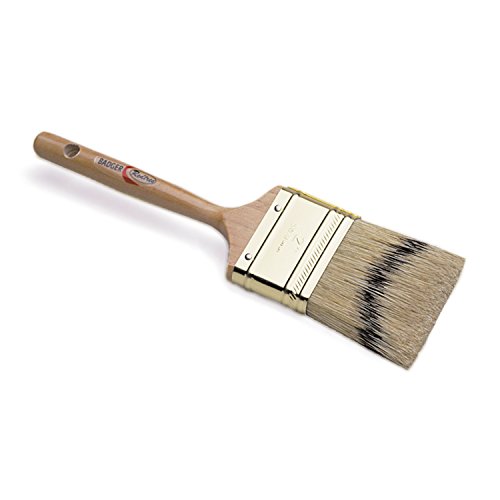

Clover’s finishing brush is a staple for those who prioritize control and precision. The natural bristles provide just enough tension to lift individual fibers without causing the aggressive pilling that can occur with stiffer, synthetic alternatives.
I often recommend this tool for knitters who have just finished a blocking session and want to add that final, professional polish. It works beautifully on smooth, worsted-spun yarns where you want to emphasize stitch definition rather than creating a fuzzy halo.
Because the bristles are natural, they do not generate the static electricity often associated with plastic brushes. This is a significant advantage when working with low-humidity environments or synthetic blends that tend to attract lint.
Ashford Wool Carding Brushes for Fiber Refresh

While technically designed for fiber preparation, these carders are secret weapons for refreshing heavily felted or severely matted knitwear. They feature fine, wire-like teeth that reach deep into the fabric to pull out trapped debris and detangle fibers.
You must exercise extreme caution when using these on finished garments. Because the teeth are designed to grip and align raw wool, they can easily snag a loose strand of yarn if you aren’t careful.
Use these only on sturdy, non-delicate fibers like heavy-weight wool or rustic, high-twist yarns. If your project is made of delicate lace-weight mohair, keep these far away to avoid damaging the structural integrity of your stitches.

HiyaHiya Stainless Steel Slicker Brush Tool

The HiyaHiya slicker brush is the standard for those who want to achieve a dramatic halo on mohair or angora projects. The stainless steel pins are incredibly effective at pulling out the fine, fuzzy fibers that give these yarns their signature "cloud-like" texture.
This tool is aggressive, which is exactly what you want when you are intentionally trying to bloom a mohair blend. However, it is not a "maintenance" brush for daily use; it is a tool for intentional texture modification.
Always brush in one direction and check your progress frequently. It is very easy to over-brush, which can lead to a thin, worn-out appearance if you aren’t paying close attention to the fiber density.
Schacht Spindle Company Hand Carder Set
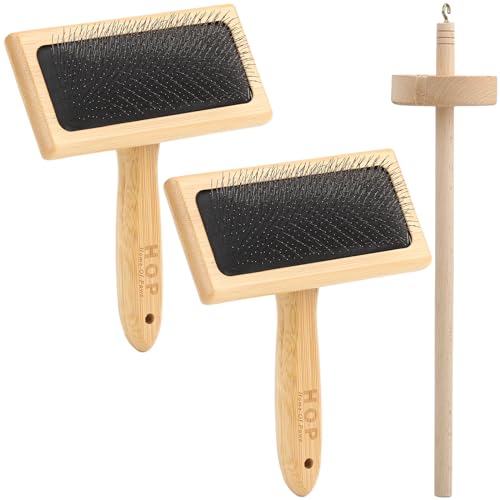
Schacht is a titan in the spinning world, and their hand carders offer a level of quality that is unmatched for heavy-duty restoration. If you have a vintage heirloom sweater that has seen better days, these carders can help redistribute the fiber pile.
The density of the carding cloth allows for a very even distribution of force. This prevents the "patchy" look that sometimes happens when using smaller, less consistent brushes on large surface areas.
Keep in mind that these are large, ergonomic, and professional-grade tools. They are an investment for the serious fiber artist who intends to do more than just simple surface grooming.
Lacis Professional Grade Garment Detail Brush

Lacis offers a specialized approach for those who focus on the finer details of garment finishing. This brush is designed for precision, making it ideal for cleaning up the edges of colorwork or intricate cables where pilling often hides in the valleys of the stitches.
Its compact design allows you to reach into tight spaces without disturbing the surrounding texture. I find this especially useful for cleaning up the back of stranded colorwork or the interior of a lined garment.
It is a subtle tool, not a brute-force solution. If you are looking to revitalize a massive surface area, this might feel tedious, but for the finishing touches, it is the best tool on the market.
Understanding Fiber Bloom and Texture Restoration
Fiber bloom is the process by which yarn expands after washing, filling in the gaps between stitches and creating a cohesive fabric. When we talk about "refreshing" texture, we are often encouraging this bloom to occur or re-occurring after the fibers have been compressed through wear.
Different fibers respond differently to this process. Soft, lofty fibers like alpaca will bloom rapidly with minimal brushing, while tightly twisted, superwash-treated wools may resist the process and require more mechanical intervention.
Understanding your yarn’s construction is key. A single-ply yarn will always be more prone to pilling and easier to "fluff," while a high-twist, multi-ply yarn is more durable but harder to bloom.
How to Brush Your Knits Without Fiber Damage
The golden rule of brushing knitwear is to always work with a gentle touch. Start by laying your garment on a flat, firm surface to ensure you aren’t stretching the fabric while you work.
- Work in small sections: Never try to cover the whole garment at once.
- Use light, sweeping motions: Let the brush do the work; don’t press down into the fabric.
- Observe the fiber: If you see "dust" or tiny fiber bits coming off, you are brushing too hard.
Always brush in the direction of the stitch flow. If you are working on a cabled project, brush along the path of the cable rather than across it to maintain the structure of your design.
Selecting the Best Brush for Delicate Mohair
Mohair is a unique fiber that requires a delicate balance of grooming. Because it is a protein fiber with a delicate core, over-brushing can actually cause the yarn to lose its strength and become brittle.
For mohair, I recommend using a brush with widely spaced, soft-tipped pins. This allows the brush to grab the halo without digging into the base yarn.
If you are unsure about the safety of your brush, test it on a swatch first. If the brush pulls out long, healthy-looking fibers, stop immediately; you are causing damage rather than refreshing the texture.
Essential Tips for Maintaining Your Yarn Tools
Your brushes are tools that require their own form of maintenance. After each use, remove the trapped fibers from the bristles using a specialized cleaning rake or a spare knitting needle.
Store your brushes in a dry, dust-free environment to prevent the bristles from warping or collecting debris. If you have brushes with wooden handles, keep them away from direct heat sources to prevent the wood from cracking over time.
Finally, remember that these tools are an extension of your craft. Keeping them clean ensures that you aren’t transferring dirt or old fiber remnants onto your next project, keeping your knitting pristine and professional.
Refreshing your knitwear is an essential skill that bridges the gap between creating a garment and living in it. By choosing the right tool for your specific fiber type and using a gentle, intentional technique, you can keep your hand-knits looking vibrant for years. Remember that every fiber has a limit, so always prioritize the health of your yarn over the speed of the process. Happy knitting, and may your sweaters remain as beautiful as the day you cast them off.