

6 Best Wool Detergents For Luxury Fibers To Try
Protect your investment with our top six wool detergents. We review the best formulas designed to clean, soften, and preserve your finest luxury fibers.
Investing dozens of hours into a hand-knit sweater means you are essentially creating a family heirloom from day one. Using the wrong detergent can strip the natural lanolin from your wool, leaving your fibers brittle and prone to breaking. Selecting the right wash is just as critical as choosing the perfect needle size or yarn weight. Here are the best detergents to ensure your hard work stays soft, vibrant, and structurally sound for years to come.
Eucalan Delicate Wash: Best for Gentle Cleaning
Eucalan is the gold standard for many knitters because it is a no-rinse formula that contains natural lanolin. This is a game-changer for woolens that have started to feel a bit "thirsty" or dry after a long winter of wear.
Because it doesn’t require rinsing, you minimize the agitation your garment experiences in the sink. Less handling means less risk of accidental felting, especially with delicate, single-ply yarns that are prone to pilling.
The trade-off is the subtle scent, which can be polarizing for those with sensitive noses. If you prefer your knitwear to smell like nothing at all, opt for the unscented version to avoid lingering fragrance.
Soak Wash: Best Rinse-Free Botanical Formula
Soak is perfect for the knitter who wants a quick, efficient process without sacrificing fiber integrity. It is incredibly popular for blocking lace shawls because the formula is designed to be gentle on fine fibers like alpaca and mohawk.
The botanical ingredients are effective at removing dirt and skin oils, yet they don’t leave a heavy residue behind. It is a fantastic choice for those who are worried about their yarn’s drape being compromised by heavy chemical cleaners.
Keep in mind that while it is "rinse-free," some knitters prefer a quick dip in clear water if they have used a particularly heavy dose. Trust your instincts; if the water looks cloudy after the soak, a gentle rinse never hurts.
Kookaburra Wool Wash: Best for Sensitive Fibers


Kookaburra uses a unique blend of tea tree and manuka oils, which provide a natural, antimicrobial clean. It is particularly effective if you are washing vintage wools or thrifted sweaters that need a deep refresh.
This wash is highly concentrated, meaning a little goes a long way. If you are washing a heavy cabled sweater that holds a lot of water, you only need a teaspoon to get the job done properly.
The scent is quite medicinal due to the tea tree oil, which some find refreshing and others find strong. If you are sensitive to essential oils, this might not be your daily driver, but it is excellent for deep-cleaning projects.
The Laundress Wool & Cashmere: Best Premium Pick
This is a sophisticated, cedar-scented detergent that feels like a spa treatment for your most expensive cashmere and merino blends. It is formulated to remove stains while maintaining the soft, fuzzy halo that makes luxury fibers so desirable.
It is definitely a luxury item, and the price point reflects that. However, if you have invested in high-end hand-dyed yarn, it is a small price to pay for long-term protection.
Be careful not to overuse it, as it is quite concentrated. Using too much detergent can actually make your wool feel "tacky" or sticky, which is the opposite of the soft hand you are trying to achieve.
Unicorn Fibre Wash: Best for Deep Conditioning
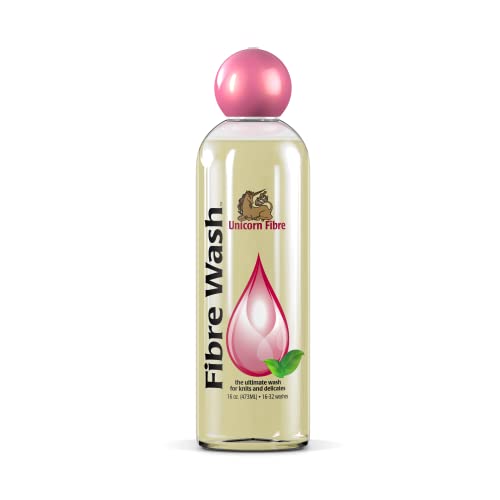
Unicorn Fibre Wash is a powerhouse for knitters who deal with a lot of wool that has been stored for a long time. It does a fantastic job of removing dust and environmental contaminants without stripping the fiber’s natural properties.
It is also highly effective at helping your finished object regain its "bloom" after blocking. If your stitches look a little uneven, this wash helps the fibers relax and settle into their final, polished state.
Because it is so effective, it is a favorite among those who spin their own yarn. It cleans the raw fiber beautifully, making it a versatile addition to any fiber artist’s laundry room.
Twig & Horn Wool Soap: Best Minimalist Option
Twig & Horn is for the knitter who values simplicity and clean, natural ingredients. This is a straightforward soap that does exactly what it says: it cleans your wool without any unnecessary additives or synthetic perfumes.
It is a great choice for those with skin sensitivities who react poorly to common laundry detergents. Because it is so gentle, it is perfect for baby knits that will be in direct contact with delicate skin.

The only downside is that it doesn’t offer the conditioning properties of the lanolin-heavy washes. If your yarn is very dry or brittle, you might want to alternate this with a lanolin-based product.
Why Wool Needs Specialized Detergent Care
Wool is a protein fiber, much like human hair, and it reacts to chemicals in very similar ways. Regular laundry detergents are designed to break down organic stains, which means they can also break down the protein structure of your yarn.
When you use a harsh detergent, you are essentially stripping the wool of its protective outer layer. This leads to fibers that snap easily, lose their elasticity, and eventually lose their ability to hold a shape after blocking.
Specialized detergents are pH-balanced to keep the fiber’s scales smooth and intact. By maintaining this balance, your garments will remain soft, breathable, and resistant to pilling for years.
The Dangers of Using Regular Laundry Soap
Regular detergents often contain enzymes like proteases, which are specifically designed to eat away at biological matter. While this is great for cleaning grass stains off cotton, it is a nightmare for a wool sweater.
These enzymes will literally digest the fibers of your knitwear, leading to thinning spots or even holes over time. Furthermore, the high pH levels in standard detergents can cause the wool to swell and become prone to felting.
Even "gentle" detergents meant for cotton can contain optical brighteners that ruin the color of your hand-dyed yarn. Always check the label; if it doesn’t explicitly state it is safe for wool or protein fibers, leave it on the shelf.
How to Properly Soak and Block Your Knits
Fill your basin with lukewarm water and a small amount of your chosen detergent before adding your garment. Never pour the soap directly onto the dry wool, as this can cause uneven absorption and potential spotting.
Submerge your project gently, pressing it down to ensure the water penetrates every stitch. Let it soak for at least 15 to 20 minutes; this allows the detergent to lift dirt and the fibers to relax into their final shape.
When you are ready to dry, do not wring the piece, as this stretches and distorts the fabric. Instead, roll it tightly in a clean towel to squeeze out excess moisture, then lay it flat on a blocking mat, shaping it to your desired measurements.
Essential Tips for Storing Luxury Woolens
Before storing your knits for the season, always wash them thoroughly. Even if they look clean, invisible skin oils and residue can attract moths and other pests that will make a meal out of your hard work.
Store your items in breathable containers, such as cotton bags or acid-free boxes, rather than plastic bins. Plastic traps moisture, which can lead to mildew and create an environment that wool-eating insects love.
Include cedar blocks or lavender sachets in your storage space as a natural deterrent. Check on your knits every few months to ensure they are clean, dry, and free from any unwanted visitors.

Caring for your hand-knits is a meditative extension of the knitting process itself. By choosing the right detergent and handling your pieces with intention, you ensure that your projects remain as beautiful as the day you bound off. Treat your wool with the same respect you gave it while it was on your needles. Your future self will thank you every time you pull on a perfectly preserved, cozy sweater.
