7 Best Seam Rippers For Bag Construction Errors
Avoid frustration with bag-making mishaps. We review the 7 best seam rippers designed to safely remove heavy-duty stitches without damaging your fabric.
Even the most seasoned makers encounter construction errors when working with structured bag materials like heavy canvas, waxed cotton, or reinforced interfacing. A high-quality seam ripper is as essential to your toolkit as a reliable set of circular needles or a sharp tapestry needle. When you’ve invested hours into complex bag geometry, having the right tool to undo a mistake without damaging your fabric is non-negotiable. This guide explores the best tools to help you salvage your projects with precision and confidence.
Dritz Deluxe Seam Ripper: The Best All-Rounder


The Dritz Deluxe is the reliable workhorse of the sewing world, much like a standard stainless steel knitting needle that never lets you down. Its balanced weight and classic shape make it an intuitive choice for those who don’t want to overthink their tools.
It features a sharp, pointed blade that slides easily into tight stitches, which is vital when working with thick bag interfacing. The handle provides just enough leverage to push through stubborn seams without feeling cumbersome in your palm.
While it lacks the specialized ergonomics of high-end boutique tools, its consistency is its greatest strength. It is the perfect "go-to" for the average maker who needs a dependable tool for everyday troubleshooting.
Clover Gold Standard Seam Ripper: Precision Tip
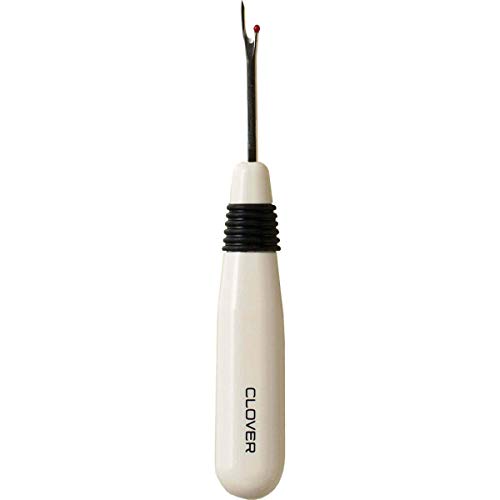
If you are working with delicate bag linings or intricate pockets, the Clover Gold Standard is an absolute game-changer. Its ultra-fine tip acts like a micro-needle, allowing you to isolate individual threads without catching the surrounding fabric fibers.
The Japanese steel construction ensures that the blade stays sharper for longer than cheaper alternatives. This is crucial when you are undoing stitches in high-tension areas where a dull blade might cause the fabric to fray or tear.
Think of this tool as your precision instrument for "surgical" repairs. It is best reserved for those moments when you need to be incredibly delicate, much like picking up a dropped stitch in a complex lace shawl.
Gingher Thread Nippers: Best for Heavy Fabrics

When you are working with heavy-duty bag hardware or thick webbing, a traditional seam ripper might struggle to find purchase. Gingher thread nippers offer a different approach by allowing you to snip through heavy-duty nylon thread with surgical efficiency.
Because they are spring-loaded, they handle repetitive cutting tasks with much less hand fatigue than standard scissors. They are excellent for "clearing the deck" after you’ve cut a seam, letting you remove long, tangled threads in seconds.
Keep in mind that these require a steady hand, as they are sharp enough to cut through your base fabric if you aren’t careful. They are the heavy-duty solution for when you need to remove a large section of structural stitching quickly.
Fiskars Quick-Slice Ripper: Best Ergonomic Grip

For makers who struggle with hand strain during long projects, the Fiskars Quick-Slice offers a significant improvement in comfort. The ergonomic handle is designed to fit naturally in the hand, reducing the tension that often builds up during tedious seam removal.
This tool is particularly helpful if you have limited dexterity or find that thin, pencil-style rippers cause cramping. The grip allows for a more controlled, steady pressure, which prevents the accidental slips that can ruin a nearly finished bag.
It is a fantastic choice for those who view seam ripping as a necessary evil that should be made as painless as possible. If you find yourself avoiding corrections because your tools are uncomfortable, this is the upgrade you need.
Singer Ergonomic Seam Ripper: Best for Comfort

The Singer Ergonomic model focuses on providing a wide, soft-touch grip that feels secure even if your hands are tired from a long day of crafting. It is designed to minimize the pressure points that often occur when pushing a blade through dense bag materials.
The balance of this tool is excellent, sitting comfortably in the webbing between your thumb and forefinger. It removes the "death grip" that many makers inadvertently use when trying to force a seam open.
This is an ideal tool for beginners who are still developing their hand strength and control. It provides a stable base that makes the often-frustrating process of undoing work feel much more manageable.
LDH Scissors Thread Cutter: Best for Quick Work
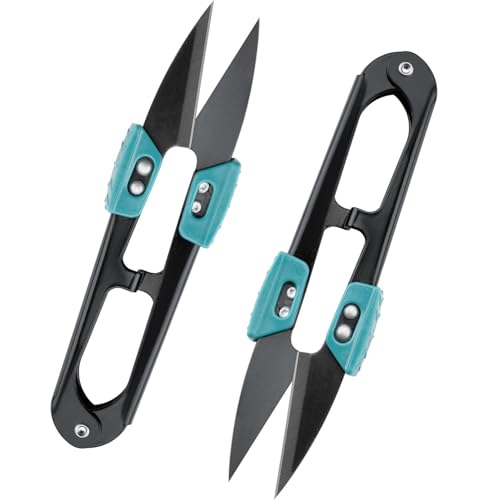
LDH tools are known for their exceptional steel quality, and their thread cutters are no exception. These are perfect for quickly slicing through rows of topstitching when you realize you’ve misaligned a gusset or a strap attachment.
Unlike a traditional ripper that pulls and tears, these cutters slice through the thread cleanly. This minimizes the risk of distorting the weave of your fabric, which is a common issue with heavy bag materials.
They are incredibly compact, making them easy to keep right next to your sewing machine. When you need to make a quick correction and get back to the rhythm of your project, these are your best friend.
Dritz Seam Fix Ripper: Best for Removing Lint
The Dritz Seam Fix is a clever two-in-one tool that addresses the mess left behind after you’ve ripped a seam. The end of the handle features a specialized rubberized material that acts like a magnet for stray thread bits and lint.
When you’re working with dark or textured bag fabrics, those tiny thread remnants can be infuriatingly difficult to remove. This tool saves you from having to reach for a lint roller or tweezers every few minutes.
It’s a practical, high-utility tool that acknowledges the reality of the cleanup process. It’s a small detail, but it significantly speeds up the time between making a mistake and getting back to the correct construction.
Understanding Seam Ripper Anatomy and Safety
A seam ripper consists of a sharp inner curve, a protective point (the "long arm"), and a safety ball. The safety ball is designed to slide along the fabric surface, protecting it from the blade while the long arm guides the tool under the stitch.
Always inspect your tool before use; a nicked or dull blade is more dangerous than a sharp one because it requires more force to cut. If you find yourself pushing hard, stop immediately—you are likely to slip and damage your project.
Think of the safety ball as your guide, not a shield. Even with the best tool, it is possible to pierce your fabric if the angle of entry is too steep or the pressure is too high.
How to Safely Remove Stitches Without Damage
To remove a seam safely, start by working from the "right" side of the fabric whenever possible. Use the pointed tip to lift a single stitch, then insert the blade to cut it; repeat this every few stitches rather than trying to rip a long, continuous line.
If you are dealing with heavy-duty thread, use a "pick and snip" method. Lift the thread with the point of the ripper and cut it with the inner blade, then pull the thread out from the other side with tweezers.
Never force the ripper through a seam. If it feels like it’s catching, back out and try a different angle, or switch to a thinner tool to get under the knot.
Essential Tips for Correcting Bag Construction
- Work in good light: Use a dedicated task lamp to see the contrast between your thread and the fabric.
- Go slow: Ripping is not a race; rushing is the surest way to accidentally cut your fabric.
- Clear as you go: Remove loose threads frequently so you can see your progress clearly.
- Test on scraps: If you are unsure about the fabric’s durability, test your ripper on a scrap piece first.
- Mind the tension: If your machine tension was too tight, the threads will be harder to remove; be extra cautious in these areas.
Correcting errors is an inevitable part of the bag-making process, and having the right seam ripper transforms a frustrating chore into a manageable task. Whether you prioritize the precision of a Clover or the ergonomic comfort of a Singer, the best tool is the one that gives you the most control over your work. Take your time, respect your materials, and remember that even the most expert makers have to rip out a seam now and then. Happy sewing, and may your future projects be as sturdy as they are beautiful.