6 Best Weaving Combs For Fine Gauge To Try
Selecting the right weaving comb is vital for fine-gauge projects. Discover our top six picks that ensure precision, tension control, and professional results.
Weaving at a fine gauge requires a level of precision that can make or break the drape of your finished textile. When you move beyond standard worsted weights into the realm of fine threads, the tool you use to beat your weft becomes your most critical instrument. Choosing the right comb ensures your warp threads remain evenly spaced and your tension stays consistent across the entire width of the piece. Here are six top-tier options to help you master the delicate art of fine-gauge weaving.


Ashford Rigid Heddle Comb: The Precision Choice

The Ashford rigid heddle comb is a staple for a reason: it is remarkably consistent and widely accessible. When you are working with fine yarns, the uniform spacing of the plastic or metal dents prevents the "crowding" that often leads to uneven fabric density.
This comb is particularly excellent if you are transitioning from knitting to weaving. Its design mimics the intuitive nature of needle sizing, allowing you to easily swap between different setts without needing a complete loom overhaul.
However, keep in mind that plastic combs can occasionally develop burrs over time if you are aggressive with your beat. Regularly inspect your comb for smooth edges to ensure you aren’t snagging delicate fibers like silk or fine merino.
Schacht Cricket Comb: Best for Fine Warp Control

Schacht is known for engineering that prioritizes the user’s tactile experience. The Cricket comb is designed to sit comfortably in the hand, which is vital when you are doing repetitive beating motions for a long-form project like a scarf or table runner.
The real advantage here is the rigidity of the comb material. When working with fine gauge, even a slight flex in the comb can cause your warp threads to shift, resulting in wavy lines in your finished cloth.
If you struggle with maintaining an even beat, this comb provides the necessary feedback to help you calibrate your hand. It is the ideal choice for weavers who value ergonomic comfort during marathon weaving sessions.
Kromski Harp Forte Comb: Quality for Fine Gauge
The Kromski Harp Forte comb stands out for its beautiful craftsmanship and functional design. It is built to handle the higher tension required for fine-gauge work, which often involves thinner, high-twist yarns that demand a firmer beat.
What I appreciate about this comb is how it integrates with the loom’s frame. It offers a secure fit that minimizes "chatter" or vibration, which is essential when you are trying to achieve a perfectly balanced plain weave.
Be aware that because it is a more substantial tool, it may feel slightly heavier than entry-level alternatives. It is a fantastic investment for the serious weaver looking to move into complex, fine-gauge patterns that require absolute stability.
Leclerc Weaving Comb: Durability for Fine Work

Leclerc has been a powerhouse in the weaving community for decades, and their combs reflect a "built-to-last" philosophy. If you are working with linen or other non-elastic fibers, you need a comb that won’t warp under the pressure of a strong beat.
The durability of these combs means you can rely on them for years of heavy use. They handle the friction of fine, abrasive yarns much better than lighter plastic options, making them a reliable workhorse for your studio.
The tradeoff is that they can be less forgiving if you aren’t careful with your alignment. Always double-check your warp spacing before you begin your first few picks to ensure everything is perfectly square.
Glimakra Texsolv Comb: Superior Tension Control
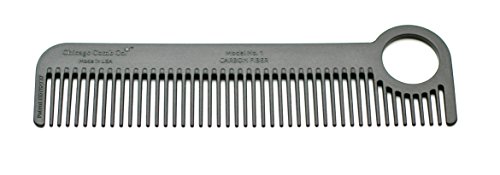
Glimakra is synonymous with high-end weaving, and their approach to combs is no exception. This system is designed for weavers who treat tension as a science rather than an art.
The precision of the Texsolv system allows for an incredibly fine sett, which is necessary if you are weaving with lace-weight yarns. It excels at keeping those thin threads in their exact lanes, preventing the "v-shape" distortion that ruins fine-gauge textiles.
This is a professional-grade tool that rewards patience. If you are a beginner, it might feel like overkill, but if you are ready to produce heirloom-quality fabric, this is the gold standard.
Louet Erica Comb: Best for Delicate Fine Yarns

The Louet Erica comb is designed with the delicate nature of fine yarns in mind. It is lightweight, which helps prevent the user from over-beating the weft—a common mistake that can turn a beautiful, airy piece into a stiff, board-like fabric.
This comb is perfect for those working with fine mohair or alpaca blends. Because the comb is so light, it encourages a gentle "tamp" rather than a hard "thwack," preserving the loft and softness of the fiber.
If you find your fine-gauge projects are coming out too dense, switch to this lighter comb. It will force you to adopt a lighter touch, leading to a much better drape in your finished garment.
How to Select the Right Dent for Fine Gauge Work
The "dent" refers to the number of warp threads per inch. For fine gauge, you generally want a higher dent count, but you must match this to your yarn’s WPI (wraps per inch).
- For lace-weight yarns: Aim for 12-15 dents per inch.
- For fingering-weight yarns: 8-10 dents per inch is usually the sweet spot.
- Always swatch: Weave a small sample to see how the yarn behaves under tension.
Don’t assume a higher dent count is always better. If your sett is too tight, your shuttle won’t pass through easily, leading to broken warp threads and frustration.
Understanding Warp Tension in Fine Weaving
Fine-gauge yarns have very little "give," meaning they don’t stretch as much as thicker wools. This makes proper tensioning on the loom non-negotiable.
If your tension is uneven, your comb will catch on the tighter threads while leaving the looser ones to sag. This creates a "puckered" effect that is nearly impossible to block out later.
Use a tensioning device or a weighted system if your loom allows it. Consistency is your best friend—if you start your project with a specific tension, maintain it until the very last pick.
Maintaining Your Combs for Longevity and Care
Your comb is an investment that needs cleaning and storage. Fine fibers can leave behind dust and lint that build up in the dents, eventually causing your warp threads to stick.
Use a soft-bristled brush to clear out debris after every project. If you have a metal comb, a light wipe with a silicone-free lubricant can prevent rust, especially in humid climates.
Store your combs vertically or in a dedicated rack. Never lay heavy objects on top of your combs, as even a slight bend in the teeth will ruin your ability to weave a straight line.
Tips for Troubleshooting Fine Gauge Shedding
Shedding—the opening between your warp threads—can be tricky at a fine gauge. If your shed isn’t clean, your shuttle will snag, causing broken threads and "floats" where they don’t belong.
Check your heddles to ensure they aren’t twisted. Even a tiny twist in a heddle can prevent a single thread from lifting, which will show up as a mistake in your final weave.
If you continue to have issues, check your warp alignment. Sometimes, simply re-spacing the threads on the beam can solve the problem instantly. Don’t rush the setup; a well-prepared warp is 90% of the battle.
Fine-gauge weaving is a rewarding challenge that elevates your fiber arts practice to a new level of sophistication. By choosing a comb that matches your yarn choice and weaving style, you gain the control necessary to create truly professional textiles. Remember that the best tools are those that feel like an extension of your own hands, so prioritize comfort and precision above all else. Take your time, enjoy the process, and let your tension be the guide to your next beautiful creation.