7 Best Yarn Bowls For Organizing Tangled Yarn
Tame your yarn stash with our top seven picks. These functional bowls prevent tangles, ensuring smooth stitching and organized craft sessions for every knitter.
There is nothing more frustrating than watching a precious, hand-dyed skein of wool roll across the floor to pick up every piece of lint in its path. A yarn bowl acts as a dedicated anchor for your project, keeping your tension consistent and your yarn clean while you work. By containing the ball, these tools eliminate the erratic tugging that often leads to uneven stitches. Investing in the right bowl transforms your knitting setup from a chaotic pile of supplies into a professional, organized workspace.
Furls Fiberarts Wooden Yarn Bowl: Best Overall


When you spend hours working on a complex lace shawl, the last thing you want is a bowl that tips over or snags your delicate fiber. The Furls bowl strikes a near-perfect balance between weight and aesthetics, providing a stable base that keeps your yarn feeding smoothly.
Its deep, rounded interior is designed to accommodate various cake sizes, from standard fingering weight to bulkier wool blends. The wood is polished to a high sheen, ensuring that even the most fragile mohair or silk-blend yarns won’t catch on the surface.
While it is a premium investment, the craftsmanship is evident in the seamless finish. If you prioritize both form and function for your long-term knitting projects, this bowl is the gold standard for a reason.
Yarn Valet Portable Plastic Yarn Bowl: Best Value

Not every knitter has a dedicated craft room or a permanent spot on the sofa. For those who knit on the train, at a park, or while waiting for appointments, the Yarn Valet is a brilliant, lightweight solution.
This plastic bowl is incredibly durable and won’t shatter if it accidentally takes a tumble from your knitting bag. Because it is lightweight, it doesn’t add unnecessary bulk to your commute, yet it provides enough structure to keep a center-pull cake from collapsing.
It may lack the artisanal charm of a hand-carved wooden piece, but it excels in pure utility. If you are a "knit-everywhere" type of maker, this is the most practical tool to keep in your project bag.
Nagina International Rosewood Bowl: Best for Travel
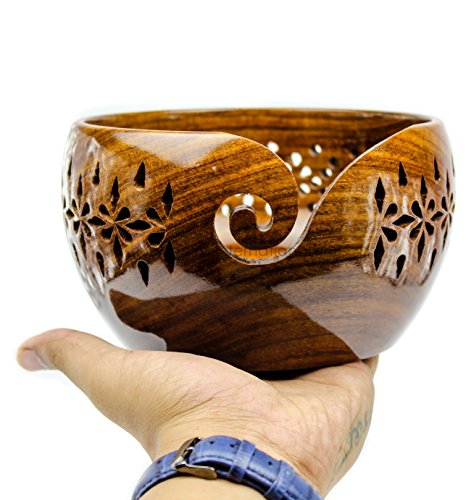
Rosewood is prized in the fiber arts world for its density and natural resistance to the oils in our hands. The Nagina International bowl is compact and sturdy, making it a favorite for traveling knitters who refuse to compromise on quality.
The wood is naturally smooth, which is vital when working with high-twist yarns that tend to "jump" or tangle easily. Its compact footprint means it sits comfortably on small café tables or cramped airplane tray tables without getting in the way of your elbows.
Because it is made of natural wood, the grain pattern on every bowl is unique. It’s a beautiful, functional piece that feels substantial in the hand despite its portable size.
Fiber Artist Supply Co. Maple Bowl: Best Stability

If you are a vigorous knitter who tends to pull hard on your yarn, you know the annoyance of a bowl that slides across the table. The Fiber Artist Supply Co. maple bowl is crafted with a wide, flat bottom that provides excellent gravitational stability.
Maple is a harder wood, which makes this bowl resistant to the minor dings and scratches that occur during daily use. Its weight is distributed low, ensuring that even as you pull the final yards from a large cake, the bowl stays firmly planted on your surface.
This is a "set it and forget it" tool for the serious knitter. If you find yourself constantly resetting your yarn bowl, the structural design of this maple piece will solve that problem immediately.
Keptin-Jar Ceramic Yarn Bowl: Best Heavyweight

Ceramic offers a distinct advantage over wood: pure, unadulterated weight. The Keptin-Jar bowl is heavy enough to act as an anchor, meaning it won’t budge even if you are working with a stubborn, high-tension wool that resists unwinding.
Ceramic is also incredibly easy to clean, which is a major plus if you knit with natural, unwashed wools that might leave behind bits of lanolin or organic debris. It creates a smooth, frictionless environment for your yarn to glide through.
The trade-off, of course, is fragility. You must be careful not to knock it against hard surfaces, as ceramic can chip or crack. If you have a dedicated, stationary knitting spot, the weight of this bowl makes it a top-tier choice.
Knit Picks Yarn Boss Yarn Bowl: Best Design
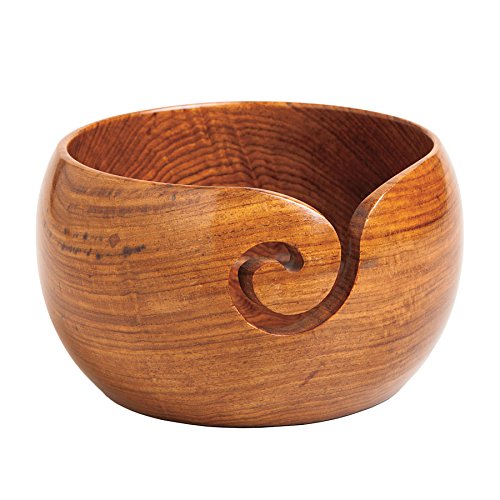
The "Yarn Boss" stands out because it addresses the most common complaint with bowls: the yarn snagging on the entry slot. Its design features a smooth, curved cutout that allows you to easily insert or remove your yarn without having to cut the working end.
This bowl is designed with the modern knitter in mind, accommodating various ball shapes and sizes with ease. The aesthetic is clean and contemporary, fitting well with most home decor styles.
It’s an excellent example of thoughtful engineering where the form directly serves the function. If you want a bowl that is as easy to use as it is beautiful to look at, this is a standout option.
Stanwood Needlecraft Wooden Bowl: Best Durability
Stanwood Needlecraft is a name long associated with quality knitting tools, and their wooden bowls are no exception. These are built to last for decades, often becoming heirlooms that are passed down from one generation of knitters to the next.
The wood is typically treated to be moisture-resistant, which is helpful if you live in a humid climate where yarn can sometimes feel "tacky" or damp. The construction is solid, with no loose joints or rough edges that could snag delicate fiber.
If you are looking for a "one-and-done" purchase, this is it. You won’t need to replace this bowl, making it a smart, long-term investment for any dedicated maker.
How to Choose the Right Yarn Bowl for Your Style
Choosing a yarn bowl comes down to your personal knitting environment and the types of fibers you use most often. If you exclusively knit with slippery silk or bamboo yarns, you might prefer a wooden bowl with a bit of natural texture to keep the yarn from unspooling too quickly.
Consider the following factors before you buy:
- Portability: Do you knit on the go or stay in one chair?
- Weight: Do you have a heavy hand that pulls the bowl across the table?
- Material: Do you prefer the warmth of wood or the easy-to-clean nature of ceramic?
- Slot Shape: Does the entry point allow for quick project changes?
If you are a beginner, start with a mid-weight, durable option. You will quickly learn how much "drag" you prefer on your yarn, and you can adjust your next purchase based on that experience.
Ceramic vs. Wood Yarn Bowls: Key Differences
Ceramic bowls are generally heavier and offer a smoother surface, which is ideal for yarns that have a tendency to cling, such as mohair or certain synthetic blends. However, they are prone to breaking if dropped, making them less ideal for households with pets or children.
Wood bowls are warmer to the touch and offer a "grippier" feel, which can help prevent your yarn from unraveling too fast. They are much more durable when dropped, but they require occasional care, such as a light oiling, to keep the wood from drying out or splintering over time.
Ultimately, neither is objectively better; it is a matter of your lifestyle. If you want a permanent, heavy anchor, go ceramic. If you want a durable, travel-friendly companion, choose wood.
What to Look for in a Yarn Bowl Slot Design
The slot is the most critical part of the bowl, as it is the only point of contact between your yarn and the tool. You want a slot that is wide enough to let the yarn move freely but narrow enough that the yarn doesn’t constantly slip out while you are working.
Look for a "swirl" or "spiral" cut that allows you to slide the yarn in and out without needing to thread the end through a hole. This is essential if you like to switch between multiple projects or colors frequently.
Avoid any bowl with a rough or unfinished slot edge, as this will fray your yarn and ruin your stitch definition. A well-designed slot should be sanded perfectly smooth or rounded, ensuring your yarn remains pristine from the first stitch to the last.
Finding the right yarn bowl is about more than just aesthetics; it is about creating a seamless flow between your hands and your project. Whether you choose a heavy ceramic piece for your living room or a portable plastic option for your travels, the goal is to reduce friction and increase your enjoyment of the craft. Don’t be afraid to try different materials to see what best complements your personal tension and fiber preferences. Once you find your perfect match, you will wonder how you ever managed to knit without one.