7 Best Polishing Solutions For Varnish Protection
Keep your furniture looking brand new with our expert guide. Discover the 7 best polishing solutions for varnish protection and restore your wood finish today.
Maintaining wooden knitting needles is often overlooked, yet it is the secret to a smooth, snag-free knitting experience. Over time, natural oils from the skin or repeated friction against wool fibers can cause wood to lose its luster and start dragging against your yarn. A well-maintained needle protects your expensive fibers and ensures your stitches glide effortlessly across the surface. Choosing the right polishing solution prevents the wood from drying out or splintering, ultimately extending the life of your favorite tools.
Howard Feed-N-Wax: Best for Restoring Wood
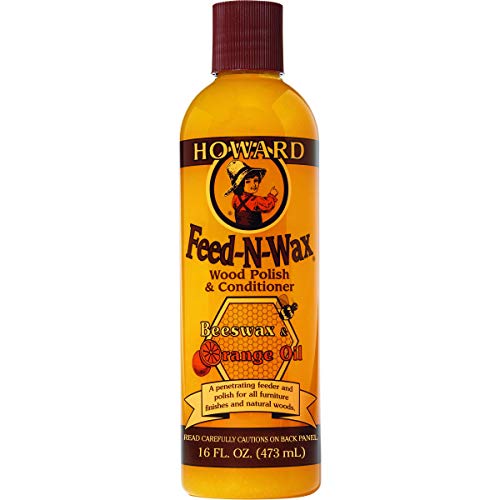

When wooden needles begin to look dull or feel slightly rough, they are likely thirsty for moisture. This product uses a blend of beeswax, carnauba wax, and orange oil to penetrate the wood grain deeply.
It is particularly effective for bamboo or birch needles that have seen heavy use on high-friction fibers like cotton or linen. By re-hydrating the wood, it prevents the microscopic fibers from lifting, which otherwise catch and snag delicate yarn.
Always wipe off excess residue thoroughly before starting a project. If a thin film remains, it could transfer to light-colored lace weight yarns during long knitting sessions.
Renaissance Wax: Top Choice for Premium Tools

Museum conservators rely on this micro-crystalline wax because it is chemically neutral and incredibly stable. For a knitter who owns heirloom-quality wooden or hand-turned needles, this is the gold standard for protection.
It dries to a completely clear, hard finish that does not yellow or darken the wood over time. Because it is non-abrasive and non-acidic, it creates a barrier that is safe even for the most sensitive wools or luxury fibers like silk and alpaca.
Apply this sparingly with a soft cloth and buff it off immediately to a high shine. It leaves the needle feeling slick, which is ideal if the goal is to increase the speed of your knitting.
Minwax Paste Finishing Wax: Most Durable Finish

This paste wax is designed for heavy-traffic furniture, making it remarkably resilient for knitting needles subjected to tight, high-tension knitting. If the style of knitting involves gripping the needles firmly or working with stubborn, high-twist yarns, this finish holds up exceptionally well.
It creates a dense, protective layer that resists the natural acidity of skin oils. This prevents the dark discoloration often seen on the middle section of needles where the hands consistently rest.
Be prepared for a slightly longer curing time than liquid oils. Allow the needles to sit for at least twenty-four hours after polishing to ensure the wax has hardened into a protective shell.
Pledge Revive It Oil: Best for Quick Touch-Ups
For a fast fix when needles feel sluggish mid-project, a quick wipe with this oil can restore movement. It acts primarily as a lubricant, reducing the coefficient of friction between the yarn and the needle shaft.
This is best reserved for occasional maintenance rather than deep restoration. Use it sparingly, as heavy applications can leave a tacky surface that attracts dust and fiber lint over time.
It is a convenient solution for knitters who want to keep their needles moving smoothly without a complex wax-buffing process. Ensure the needles are completely dry to the touch before casting on for the next round.
Daddy Van’s Beeswax Polish: Best Eco-Friendly
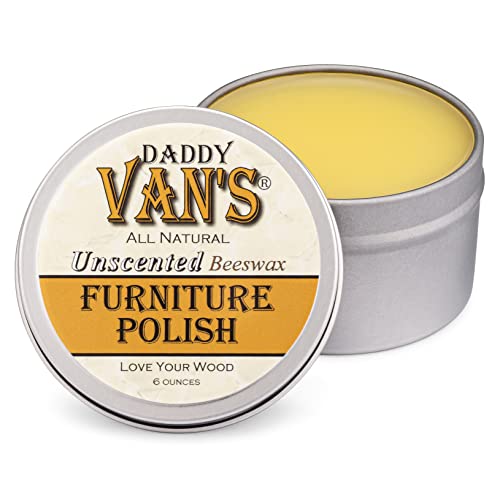
This polish relies on natural, food-safe ingredients, making it an excellent choice for knitters who are sensitive to harsh chemicals. Beeswax provides a natural, soft luster that enhances the beauty of the wood grain without creating a synthetic, slippery buildup.
It is particularly suitable for untreated, raw wooden needles. The beeswax works into the surface pores, providing a gentle seal that maintains the natural tactile feel of the wood.
Because it lacks heavy synthetic solvents, it is less likely to cause allergic reactions or leave strong odors. It is a gentle, sustainable way to keep tools healthy for years to come.
Guardsman Clean & Polish: Best for Daily Dusting
This product is formulated to remove dust and dirt while leaving behind a light, protective sheen. It is ideal for cleaning needles after a long project where hand oils and environmental dust have accumulated on the surface.
It does not leave a greasy, heavy residue, which is critical when working with white or cream-colored yarns that easily pick up debris. Use it on a soft microfiber cloth to gently buff the needles back to their original finish.
It is not a heavy-duty sealant, but it is perfect for routine maintenance. Consistent use prevents the buildup that eventually leads to dull needles.
Old English Lemon Oil: Classic Shine Enhancer
Lemon oil is a time-tested favorite for brightening the appearance of wooden tools. It helps to condition the wood, preventing the surface from cracking or becoming brittle during dry winter months.
It provides a lovely, smooth finish that allows stitches to slide easily without being overly slick. However, it should be used very sparingly, as oils can potentially darken light-colored woods like maple or light bamboo over time.
If you prefer your needles to have a slight grip rather than a glass-like finish, this is an excellent choice. It leaves the wood feeling organic and well-cared for.
How to Polish Your Wooden Knitting Needles
- Clean first: Wipe the needles with a dry, lint-free cloth to remove all dust, skin oils, and fiber debris.
- Apply sparingly: Use a pea-sized amount of wax or a few drops of oil on a clean, soft cloth rather than applying directly to the needle.
- Work it in: Gently rub the product into the wood in long, even strokes, ensuring the entire surface—especially the tips—is coated.
- Buff to finish: Let the product sit for the duration specified by the manufacturer, then buff with a clean cloth until the wood feels smooth and no longer tacky.
- Test: Before starting a project, rub the polished needle against a scrap of light-colored yarn to ensure no residue transfers.
Wax vs. Oil: Which Polish Is Right for You?
The decision between wax and oil usually comes down to the desired texture and the frequency of use. Wax provides a harder, more durable protective barrier that lasts longer, making it better for needles that see constant use.
Oils, on the other hand, penetrate the wood fibers deeply to restore hydration. They are better suited for reviving older, dry, or neglected wooden tools that have begun to lose their natural luster.
If your needles feel too “grippy” and you want to knit faster, choose a hard wax for a smoother surface. If you enjoy the natural, warm feeling of wood, a light oil treatment is often the preferred path.
Are Furniture Polishes Safe for Your Yarn?
While most furniture polishes are safe for wooden tools, caution is necessary regarding their interaction with fiber. Always choose products that cure to a dry, non-tacky finish to avoid attracting lint or transferring chemicals to your yarn.
Avoid products that contain heavy silicones or perfumes, as these can leave a scent on your wool or potentially alter the feel of the fiber. Natural beeswax and pure mineral-based oils are generally the safest bets for the longevity of both the needle and the yarn.
Always perform a patch test on a scrap of yarn before committing to a project. If the yarn glides smoothly and leaves no visible residue on the needle, the tool is ready for use.
By dedicating time to the proper maintenance of your wooden needles, you ensure that your tools remain a pleasure to work with. Treat these instruments with care, and they will support your knitting craft for decades.