7 Best Lace Weight Yarn Winders For Hand-dyed Skeins
Discover the 7 best yarn winders for delicate lace skeins. Learn how these tools prevent tangles and keep your hand-dyed fibers organized and ready to knit.
Transitioning from a loose, hand-dyed skein to a manageable center-pull cake is a rite of passage for every serious fiber artist. Lace weight yarn is notoriously delicate, prone to tangling, and easily stretched if handled with the wrong equipment. Choosing the right winder prevents heartbreak when you find yourself hours deep into a complicated shawl pattern. This guide highlights the best tools to protect your precious fibers while ensuring a smooth, tension-free knitting experience.


Stanwood Needlecraft Large Metal Yarn Ball Winder

The Stanwood metal winder is the gold standard for those who frequently work with large, 100-gram skeins of lace weight yarn. Its heavy-duty metal gears provide a level of durability that plastic models simply cannot match, ensuring the handle doesn’t skip or grind under pressure.
When winding cobweb or lace weight fibers, consistency is your best friend. This model’s robust construction creates a steady, uniform cake that won’t collapse as you pull from the center. It is an investment, but one that pays for itself by saving you from the frustration of a tangled "yarn barf."
If you are a prolific shawl knitter who buys large batches of hand-dyed silk or mohair blends, this is the tool for you. It handles the weight and volume of luxury fibers with ease, provided you maintain a steady, gentle hand while turning the crank.
Knit Picks Yarn Winder: Best Budget-Friendly Pick
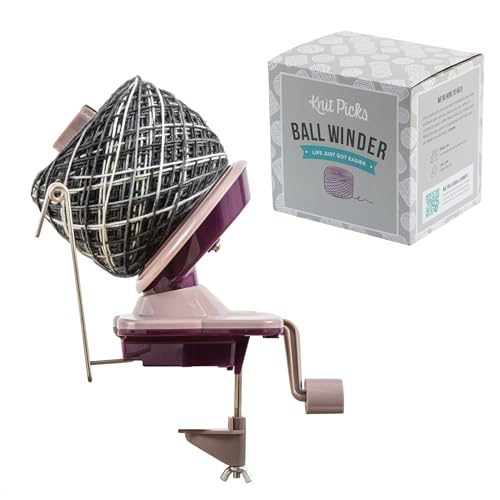
For the knitter who is just starting to build their stash, the Knit Picks winder is an incredibly reliable entry point. It is lightweight, portable, and gets the job done without requiring a significant financial commitment.
While it is made of plastic, it is surprisingly resilient for standard lace weights like merino or alpaca. It is perfect for those who only wind yarn occasionally or who need a portable option to take to knitting retreats.
The main trade-off here is the capacity and the gear sensitivity. You shouldn’t force large, bulky skeins onto this winder, as the plastic gears can strip if pushed too hard. Keep your winding speed moderate, and it will serve you well for years.
Lacis Yarn Ball Winder: Best for Heavy Skeins
The Lacis winder is a workhorse designed for those who need to wind massive amounts of yarn in a single sitting. Its design is focused on structural integrity, making it a favorite for knitters who work with heavy, high-yardage lace skeins.
What sets this apart is the smooth operation of the spindle, which reduces the friction that can cause delicate fibers to snap. If you are winding fragile, hand-spun lace, the smooth rotation is a major advantage.
However, it does require a sturdy table edge to clamp onto securely. Because it is built for volume, it can feel a bit overkill for small, 50-gram mini-skeins, but it excels when you have a large project on the needles.
Nancy’s Knit Knacks Heavy Duty Commercial Winder

This is the professional choice for the knitter who demands absolute precision and longevity. The engineering behind this winder is focused on reducing the mechanical stress that often leads to uneven tension in hand-wound cakes.
If you have ever had a cake of lace yarn "tumble" and knot halfway through a project, you understand the value of the tension control found here. It is built to withstand years of daily use, making it ideal for those who wind yarn for a small business or a very large personal collection.
Be prepared for a steeper learning curve, as the tensioning system is more sophisticated than standard hobby models. Once mastered, it produces the most stable, professional-looking cakes of any winder on this list.
ChiaoGoo Hand-Operated Yarn Winder for Lace

ChiaoGoo is known for their exceptional needles, and their winder carries that same reputation for thoughtful design. This model is specifically tuned for the lighter touch required by lace weight yarns.
The mechanics are incredibly quiet and smooth, which is a blessing if you are winding yarn late at night while the rest of the house is asleep. It is compact enough to fit in a project bag, yet sturdy enough to handle the occasional fingering weight skein.
It is a fantastic middle-ground option for the knitter who wants an upgrade from entry-level plastic but isn’t ready for a heavy commercial model. It strikes a perfect balance between portability and performance.
Strauch Jumbo Ball Winder: The Professional Choice
The Strauch is the "Cadillac" of yarn winders, and it is designed for the serious fiber enthusiast who wants the absolute best. It can handle massive skeins—up to a pound of yarn—with zero effort, turning a tedious chore into a five-minute task.
The build quality is exceptional, featuring high-quality materials that ensure the spindle remains perfectly aligned. For luxury fibers like cashmere or qiviut, the smooth rotation is essential to prevent the yarn from snagging or pulling.
It is a significant investment, but if you value your time and your yarn, it is worth every penny. This is a "buy it once" tool that will likely outlast your current knitting projects.
Amish Style Wooden Yarn Swift and Winder Combo
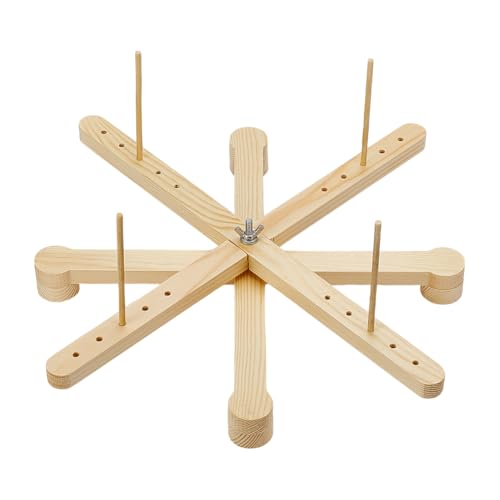
A winder is only as good as the swift it is paired with. The Amish-style wooden swift is a classic for a reason: it is stable, adjustable, and gentle on delicate lace fibers.
Using a wooden swift prevents the "yarn burn" that can occur with cheap plastic swifts when the yarn catches on a rough edge. When paired with a quality winder, it allows the yarn to feed at a constant, low-tension rate.
This combo approach is the best way to ensure your hand-dyed skeins stay pristine. Never try to wind from a loose skein by hand; the risk of tangling and tension variation is simply too high.
Why Lace Weight Yarn Requires Specialized Winders
Lace weight yarn is defined by its high yardage and low diameter, making it inherently more fragile than worsted or bulky yarns. When you wind it, you are essentially storing potential energy in the cake; if the winding is too tight, the yarn will stretch.
- Elasticity: Lace yarns, especially those with silk or alpaca content, have little memory and can permanently deform if wound under high tension.
- Friction: The fine nature of the fibers means they can easily snag on small imperfections in a winder’s plastic casing.
- Tangling: A poorly wound cake has a higher risk of "collapsing," where the center falls out and creates a massive, time-consuming knot.
Using a winder designed for lace allows you to control the tension more effectively. Always aim for a "soft" cake rather than a rock-hard one to preserve the loft and elasticity of your fiber.
How to Properly Wind Delicate Hand-Dyed Skeins
Before you even touch your winder, ensure your swift is properly set up to accommodate the specific circumference of your skein. If the swift is too wide, you will stretch the yarn; if it is too narrow, the yarn will fall off constantly.
Start by hand-winding the first few yards onto the spindle to establish a secure base. Once the yarn is anchored, turn the crank at a slow, consistent pace, keeping your fingers lightly on the yarn strand to guide it.
Never walk away while winding, especially with hand-dyed yarns that may have uneven twist. If you feel a snag, stop immediately and clear it by hand rather than pulling through it, as this is how lace weight fibers snap.
Maintaining Your Yarn Winder for Smooth Rotation
Even the best winders require a little TLC to keep them running smoothly. Dust and fiber bits can accumulate in the gears, causing the winder to "stutter" during operation.
Every few months, use a soft brush to clear out any stray fibers from the gear assembly. If your winder has exposed moving parts, a tiny drop of sewing machine oil can work wonders, but be careful to wipe away any excess so it doesn’t transfer to your yarn.
Store your winder in a clean, dry place when not in use to prevent the plastic or metal from warping or rusting. A well-maintained winder is the secret to a long, happy life for your precious yarn stash.
Investing in a quality yarn winder is one of the most practical decisions a knitter can make to protect their investment in luxury fibers. By matching your tool to your specific project needs and maintaining it with care, you ensure that every stitch is a pleasure to work. Remember, the goal of winding is to create a stress-free experience for both you and the yarn. Happy knitting, and may your yarn cakes always pull from the center without a hitch.