6 Best Safety Respirators For Handling Dye Powders
Protect your lungs from fine dye particles. We review the 6 best respirators to ensure optimal filtration, comfort, and safety for all your crafting projects.
Working with powdered dyes is a transformative experience, turning plain wool or silk into vibrant, one-of-a-kind masterpieces. However, these fine particles are incredibly easy to inhale, posing a significant risk to your respiratory health over time. As someone who has spent two decades in the studio, I know that protecting your lungs is just as important as choosing the right fiber for your project. Investing in a quality respirator ensures that you can keep dyeing for years to come without compromising your well-being.
3M 8210 N95 Particulate Respirator: Best Value Pick


If you are just beginning your journey into hand-dyeing, the 3M 8210 is a solid, no-nonsense starting point. It provides the N95 protection necessary to filter out airborne dye dust without requiring a significant upfront investment.
These masks are lightweight and easy to store, making them perfect for the occasional dyeing session. If you only dye a few hanks of yarn a year, you don’t need a heavy-duty industrial setup to stay safe.
The downside is that they lack the tight, rubberized seal of a reusable mask, which can lead to "eyewear fog" if you wear glasses while checking your color saturation. They are also disposable, meaning they will eventually end up in the trash after a few uses.
Bottom line: Best for the hobbyist who dyes in small batches and wants an affordable, effective solution.
3M 6200 Half Facepiece Respirator: Best Protection
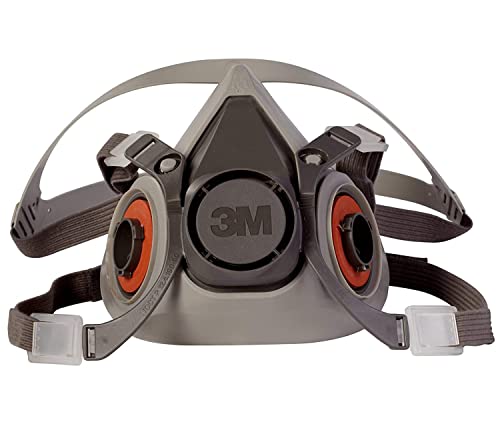
When you move into serious studio work, like preparing large batches of color for a sweater project, you need more than just a simple mask. The 3M 6200 is the gold standard for those who want total peace of mind.
This dual-cartridge system creates an airtight seal around your nose and mouth, ensuring that zero dust particles reach your lungs. Because it uses replaceable filters, you aren’t constantly throwing away materials, which feels much better for the environment.
It does feel a bit bulky, and the straps require some adjusting to get that perfect "fit-and-forget" feel. However, once you have it dialed in, you can spend hours weighing out powders without worrying about a single speck of pigment.
Bottom line: Choose this if you are a frequent dyer who demands the highest level of respiratory security.
GVS Elipse P100 Dust Mask: Best Low Profile Option
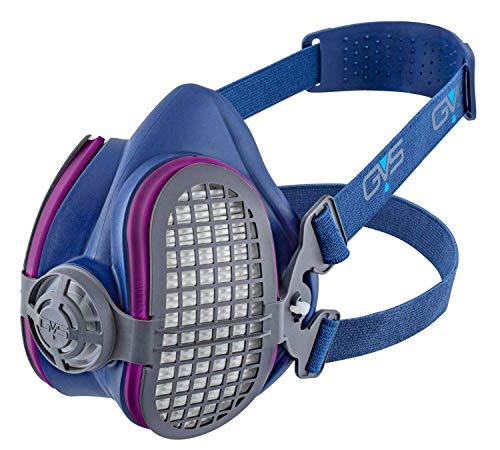
The GVS Elipse is a favorite among makers who find traditional respirators too cumbersome to wear. Its compact, low-profile design means you won’t feel like you’re wearing a massive piece of equipment while you work.
The P100 filters are incredibly efficient, catching even the finest dye particles that might slip through a standard N95. Because the mask sits closer to your face, it’s much easier to see your work clearly when you’re inspecting the dye uptake on your yarn.
The main tradeoff here is the price of the replacement filters, which can add up if you dye every single weekend. It also has a smaller surface area for air intake, so you might notice more resistance to your breathing if you are working very fast.
Bottom line: Perfect for the knitter who wants high-level protection without the "Darth Vader" look.
Honeywell North 7700 Series: Best For Comfort Fit

Comfort is king when you are standing over a dye pot for hours, and the Honeywell North 7700 is designed with long-term wear in mind. The silicone facepiece is exceptionally soft and pliable, conforming to the contours of your face without leaving those deep, painful red marks.
If you have a wider or narrower face shape, you will appreciate that this model comes in multiple sizes. Getting the right fit is the single most important factor in how well a respirator actually functions, and this mask makes that process much easier.
It is a professional-grade tool, so the initial cost is higher than a standard mask. You will also need to commit to cleaning the silicone regularly to keep the seal skin-friendly and effective.
Bottom line: The best choice for those who prioritize long-wearing comfort during marathon dyeing sessions.
MSA Advantage 200 LS Half Mask: Best For Durability

The MSA Advantage 200 LS is built like a tank, designed to withstand years of heavy use in a busy studio. It uses a patented multi-flex system that balances the mask on your face, keeping it stable even if you are moving around to grab different dye jars.
The materials are rugged and highly resistant to the chemicals found in various dye fixatives and leveling agents. If you tend to be hard on your gear, this mask will likely outlast every other piece of equipment in your studio.
The straps can be a little stiff when you first take it out of the box, so you’ll need to spend time "breaking it in." It’s also slightly heavier than the GVS Elipse, which might be noticeable if you have neck sensitivity.
Bottom line: A long-term investment for the serious dyer who wants gear that lasts as long as their stash.
Moldex 2300 Series N95 Mask: Best Disposable Choice

The Moldex 2300 is a step up from the basic N95 because it features a contoured shell that holds its shape, preventing it from collapsing against your mouth. This makes breathing significantly easier when you are working in a warm, humid dye studio.
It also includes an exhalation valve, which helps keep the inside of the mask cooler and prevents your glasses from fogging up. This is a game-changer if you are trying to read a complicated knitting pattern or check dye levels while wearing your specs.
Since it is still a disposable mask, it won’t offer the same level of seal as a full facepiece system. You should treat these as single-project or single-day use items to maintain maximum safety.
Bottom line: The best disposable option for those who want a bit more comfort and breathability than the standard cheap masks.
Why N95 or P100 Ratings Matter for Dye Powders
Dye powders are often micron-sized, meaning they are small enough to settle deep into your lung tissue. An N95 rating means the mask filters at least 95% of airborne particles, which is the baseline requirement for safety.
P100 filters, on the other hand, are the "gold standard," filtering out 99.97% of particles. Think of it like comparing a basic wool wash to a specialty enzyme cleaner; both work, but one provides a much higher level of protection against the "grit" of the process.
Never settle for "dust masks" from the hardware store that lack these specific ratings. If the packaging doesn’t explicitly say N95 or P100, it is not safe for handling concentrated dye powders.
How to Ensure a Proper Seal for Maximum Safety
A respirator is only as good as the seal it makes against your skin. Even the most expensive mask will fail if you have a beard, as facial hair prevents the rubber or fabric from sitting flush against your cheeks.
Perform a "user seal check" every single time you put your mask on. Cover the filters with your hands and inhale gently; the mask should collapse slightly toward your face. If you feel air rushing in around the edges, you have a leak and need to tighten your straps.
Don’t overtighten the straps, as this can actually warp the mask and create new gaps. Aim for a firm, consistent tension that feels secure but doesn’t pinch your skin or leave you with a headache.
Essential Tips for Safe Dye Studio Ventilation
Even with the best respirator, you should never rely on it as your only line of defense. Always work in a room with excellent airflow, ideally near an open window or with an exhaust fan running.
Set up your workspace so that the breeze is blowing away from you and toward an exit. If you are mixing powders, do it in a contained area—like a large plastic bin—to keep the dust from settling on your yarn, tools, or nearby surfaces.
When you finish, wipe down your workspace with a damp cloth rather than sweeping or vacuuming. Dry cleaning methods just kick the settled dust back into the air where you can inhale it again.
Proper Maintenance and Storage of Your Respirator
Treat your respirator with the same care you give your favorite set of interchangeable needles. After each session, wipe the facepiece with a mild, non-abrasive soap and water, then let it air dry completely before storing it.
Store your mask in a sealed plastic bag or a dedicated container to keep it free from dust and debris. If you leave it sitting out on your workbench, the filters will absorb ambient dust, shortening their lifespan and making them less effective.
Replace your filters regularly, especially if you notice increased breathing resistance or if they become discolored. Just like you wouldn’t knit with a bent needle, you shouldn’t use compromised filters for your health.
Prioritizing your respiratory health is the most important step in building a sustainable and joyful dyeing practice. By choosing the right respirator and maintaining it with care, you ensure that your studio remains a place of creativity rather than a source of stress. Take the time to find the fit that works for you, and your lungs will thank you for years to come. Happy dyeing, and may your colors always be as vibrant as your passion for the craft.