7 Best Crochet Hook Sets For Beginners To Try
Discover the 7 best beginner crochet hook sets. Learn how ergonomic designs and material quality help you master stitches comfortably and build your kit.
Starting your crochet journey is an exciting milestone, but the sheer volume of hooks on the market can feel overwhelming. The right tool acts as an extension of your hand, turning repetitive motions into a fluid, rhythmic experience. Choosing a high-quality set early on prevents unnecessary strain and helps you master consistent tension from your very first chain. Here are the top contenders to help you build a solid foundation for years of stitching.
Clover Amour Crochet Hook Set: The Best Overall Pick


If you walk into any local yarn shop and ask for a recommendation, the Clover Amour is almost always the first name mentioned. These hooks feature a signature elastomer handle that feels soft and grippy, even if your hands tend to get sweaty during a long session.
The secret to their success is the perfectly shaped aluminum head. It glides through almost any fiber—from rustic wool to slippery acrylic—without splitting the yarn or snagging on the plies.
For a beginner, the consistency here is invaluable. You aren’t fighting your tools, which allows you to focus entirely on your stitch placement and tension. While they are an investment, they are the gold standard for a reason.
Susan Bates Silvalume Set: Best Budget-Friendly Option

Many of us started our craft with a simple Susan Bates set, and they remain a reliable workhorse for a reason. These hooks are made of lightweight aluminum with an inline head design.
The "inline" shape means the throat of the hook is deep and aligned with the shaft, which helps beginners keep their loops uniform in size. If you struggle with inconsistent gauge, this design provides a physical guide to pull your yarn through cleanly.
They lack the cushioned grip of more expensive sets, so they aren’t ideal for marathon sessions. However, for learning the basics or keeping a spare set in your travel bag, they are unbeatable for the price.
Tulip Etimo Rose Set: The Premium Ergonomic Choice

The Tulip Etimo Rose set is essentially the luxury sedan of the crochet world. These hooks are famous for their incredibly smooth, polished finish that makes the yarn slide like butter.
The handle is shaped to fit the natural curve of your hand, reducing the "death grip" many beginners develop when they are nervous about dropping stitches. The balance between the weight of the hook and the handle is exquisite.
They are undeniably pricey, but they are a "buy it once" tool. If you have any history of wrist pain or arthritis, the ergonomic engineering here is specifically designed to mitigate that discomfort.
Boye Aluminum Crochet Hook Set: Best Classic Starter
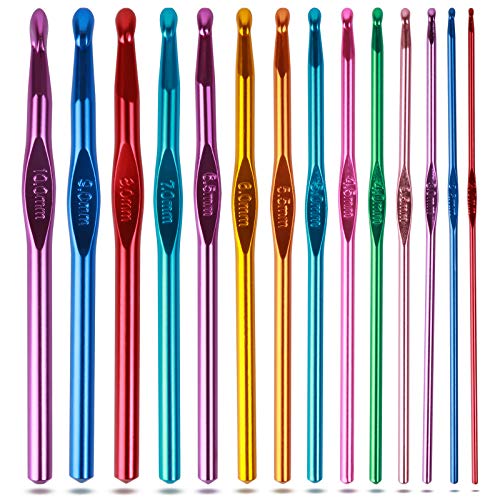
Boye hooks utilize a tapered head design, which is the traditional alternative to the inline style. Instead of a deep throat, the head is more rounded, which some crocheters find helps the hook slide into stitches more naturally.
This set is incredibly durable and widely available, making it easy to replace a single hook if you ever lose one. They are the definition of "no-frills" reliability.
Because the shaft is smooth aluminum, they work beautifully with almost any yarn weight. If you prefer a hook that feels like a classic tool rather than a high-tech gadget, this is your best bet.
Addi Swing Crochet Hooks: Best for Hand Comfort

Addi Swing hooks look unconventional, featuring a long, angled handle that is designed to rest against your palm. This design is specifically engineered to take the strain off your fingers and move the effort to your larger hand muscles.
If you find that your hands cramp after just ten minutes of crocheting, the geometry of these hooks can be a total game-changer. They force you into a more relaxed hold, which is a habit you want to build early.
They do have a learning curve because of their unique shape. However, once you adjust to the angle, you may find it difficult to go back to standard straight-handled hooks.
KnitPicks Radiant Wood Set: Best for Natural Feel

If you prefer the warmth and tactile feedback of wood over the cold, clinical feel of metal, KnitPicks Radiant hooks are a delight. They are made from laminated birch, which is smooth enough to prevent snagging but grippy enough to keep slippery yarns in check.
Wood hooks are excellent for beginners who are using "slinky" fibers like bamboo, silk, or mercerized cotton. The natural texture of the wood provides a slight bit of friction that helps keep your yarn from sliding off the hook unexpectedly.
Be aware that wooden hooks are more delicate than metal. You should avoid putting them in the bottom of a heavy bag, as the smaller sizes can snap if they are bent or crushed.
Prym Ergonomics Hooks: Best for Lightweight Ease
Prym takes a different approach by using a high-performance synthetic material that is incredibly light. The most striking feature is the handle design, which is shaped to be comfortable for both "knife-hold" and "pencil-hold" crocheters.
The material is warm to the touch, which prevents the hand fatigue often associated with cold metal hooks. They also feature a unique "click" system where you can swap out the heads, though the fixed versions are generally preferred for beginners.
These are an excellent middle-ground option. They offer ergonomic benefits without the premium price tag of luxury brands, making them a very practical choice for a new maker.
How to Choose the Right Hook Size for Your Yarn
The most important rule in crochet is matching your hook size to your yarn weight. Every ball band includes a recommended hook size, but consider this a starting point rather than a law.
- If your fabric feels stiff or board-like: Your hook is too small; move up a size.
- If your stitches look loose, gappy, or messy: Your hook is too large; move down a size.
- Always make a swatch: A four-inch square of single crochet will tell you more about your tension than any label ever could.
Remember that your personal tension is unique. If you are a "tight" crocheter, you will almost always need to go up a hook size to achieve the drape recommended in a pattern.
Understanding Ergonomics in Crochet Hook Design
Ergonomics isn’t just a buzzword; it’s about longevity. When you crochet, you are performing the same small, repetitive motion thousands of times per project.
A good ergonomic hook should allow you to hold it with a loose grip. If you find yourself squeezing the hook tightly to maintain control, your tool is likely too thin or too slippery.
Look for handles that are wide enough to fill your palm. The goal is to keep your wrist in a neutral, straight position rather than bent, which helps prevent the development of repetitive strain injuries over time.
Essential Crochet Notions for Every New Beginner
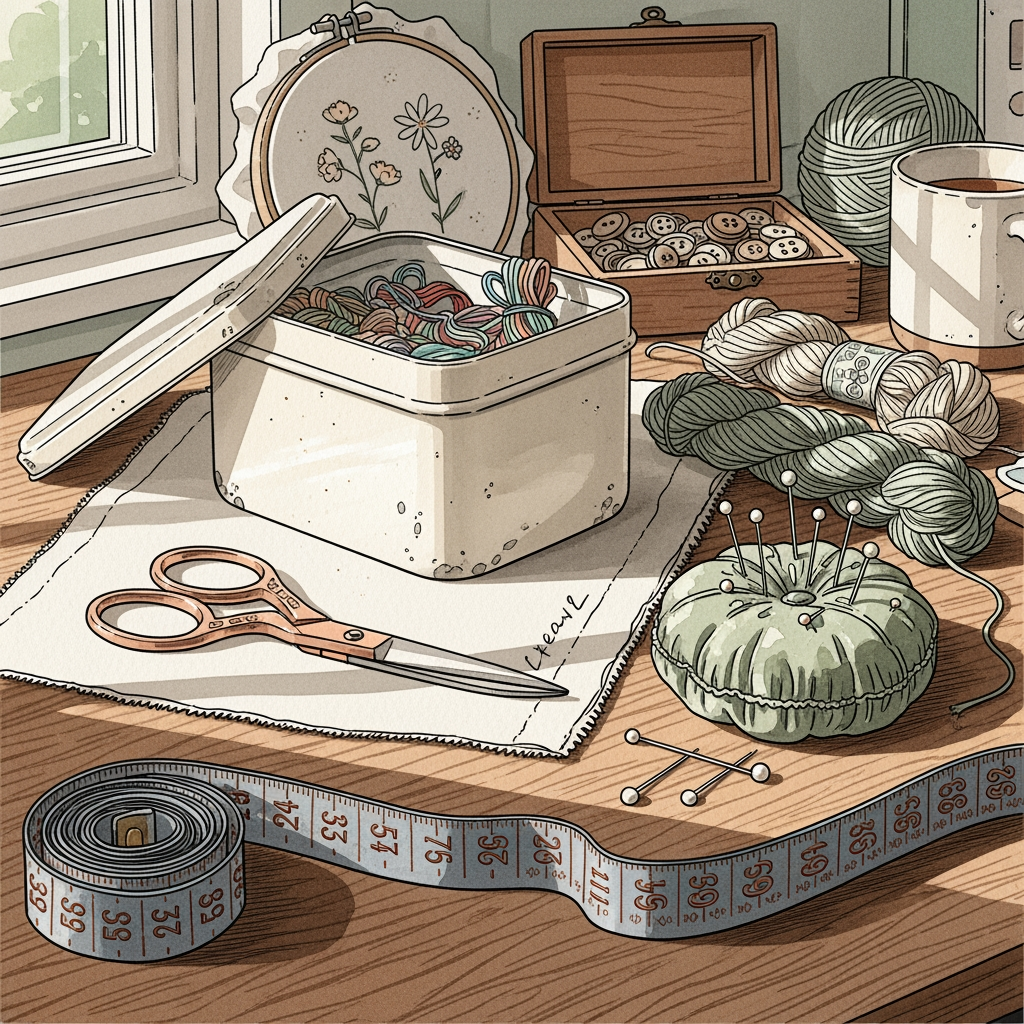
Beyond the hooks, you need a small kit of essentials to make your life easier. Don’t rely on household items—invest in purpose-built tools.
- Locking Stitch Markers: Essential for marking the beginning of rounds or keeping track of your stitch counts.
- Tapestry Needles: You need bent-tip needles for weaving in your yarn ends securely and invisibly.
- Small Scissors: Keep a sharp pair of embroidery scissors in your bag so you aren’t using dull kitchen shears.
- A Tape Measure: Never guess your dimensions; always measure your progress to ensure your project fits as intended.
Finding the perfect hook is a personal journey that evolves as your hands grow more confident. Start with a set that feels comfortable and fits your budget, then pay attention to how your hands feel after a few hours of work. There is no single "right" answer, only the tool that makes you want to pick up your yarn and create something new. Happy stitching!