6 Best Drying Hangers For Wool Accessories To Use
Keep wool accessories pristine with these top 6 drying hangers. Discover expert picks that prevent stretching and ensure optimal airflow for delicate fibers.
Drying your hand-knits is just as important as choosing the right yarn or mastering your tension. When wool gets wet, it becomes heavy and vulnerable, making the drying process the final make-or-break step for your project’s longevity. Using the wrong surface can lead to misshapen sweaters or, worse, unsightly creases that ruin your hard work. Here are my top recommendations for drying your wool accessories to ensure they stay in pristine condition.
Eucalan Expandable Sweater Drying Rack: Best Overall
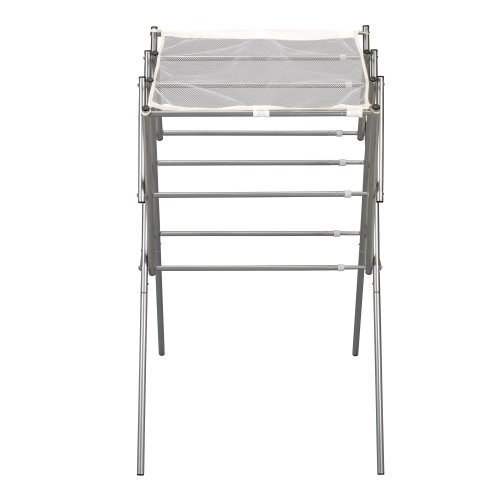

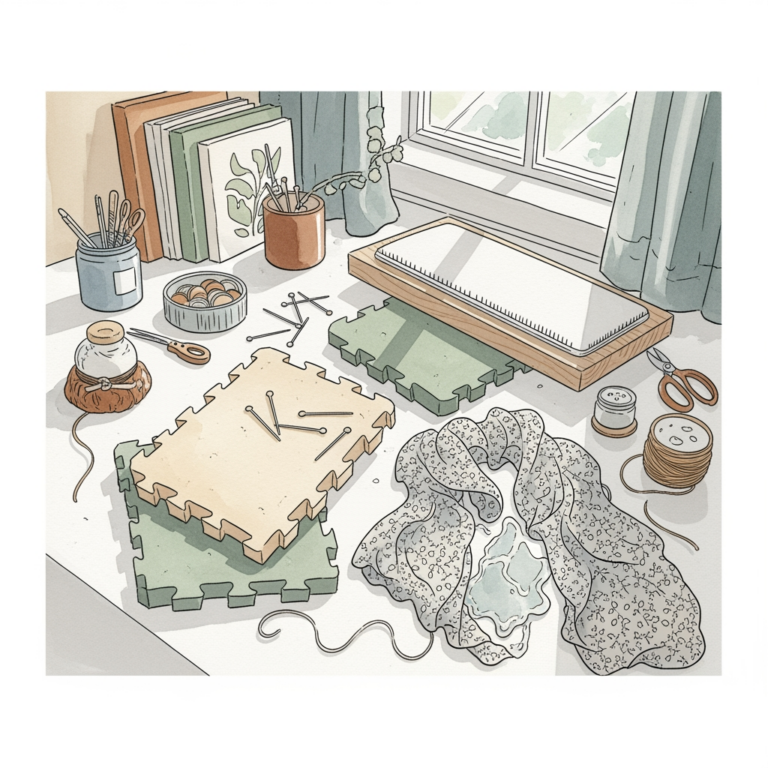
This rack is a staple in my studio because it bridges the gap between portability and stability. Its adjustable frame allows you to customize the surface area, which is vital when you are transitioning from drying a small lace cowl to a full-sized adult sweater.
The mesh fabric is taut enough to prevent sagging, which is the primary enemy of wet wool. When a rack sags, it creates a "valley" that forces the wet garment to pool water in the center, leading to uneven drying and potential mildew issues.
Because it collapses into a slim profile, it is perfect for those of us living in smaller homes or apartments. You get the benefits of a full-sized blocking board without the permanent footprint that usually comes with such a large tool.
The Knitter’s Pride Wool Dryer Rack: Best for Hats
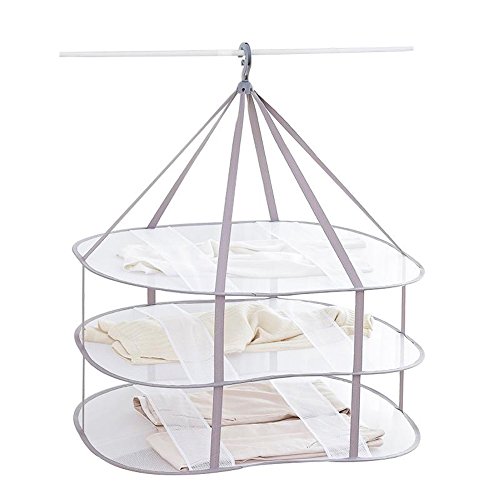
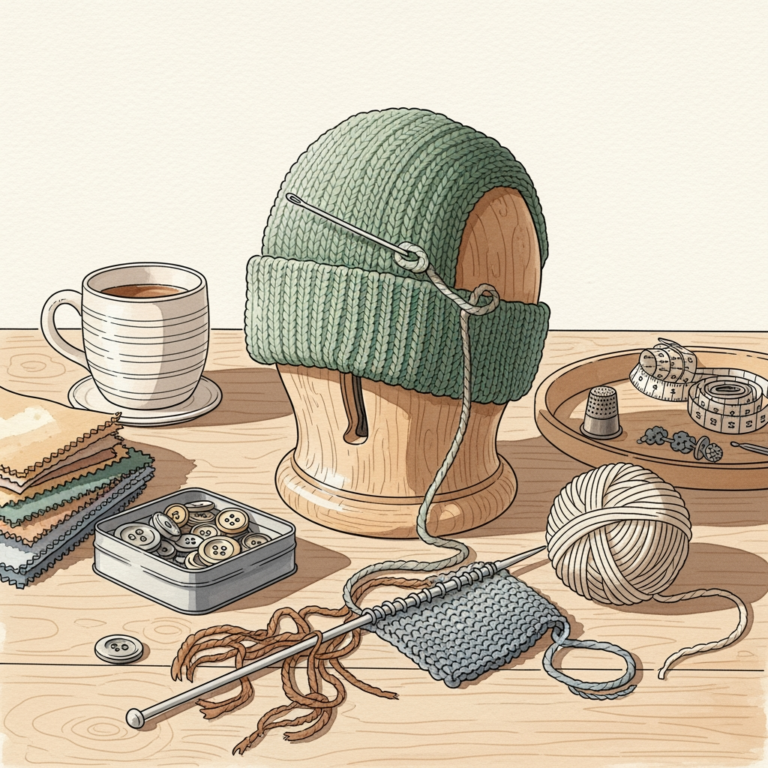
When you spend weeks working on a complex cabled beanie, the last thing you want is for it to dry with a flat, distorted crown. This rack is designed with a slightly domed structure that mimics the shape of a human head.
By maintaining that rounded silhouette, you prevent the "pancake" effect that happens when you lay a hat flat on a towel. It encourages air to circulate inside the hat, which is critical for thicker wools that take longer to dry through the center.
I always recommend this for hats featuring intricate crown decreases. If you lay them flat, those delicate stitches can get pressed into the fabric, losing their three-dimensional pop.
OXO Good Grips Foldable Drying Rack: Best for Space
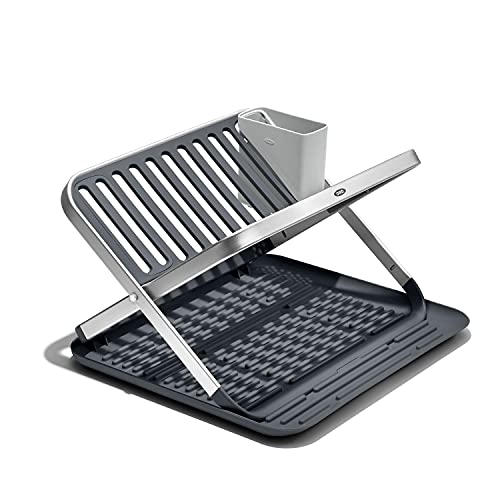
If your laundry room is also your knitting space, you know how quickly horizontal surface area disappears. This rack is a miracle for the knitter who has to block a project on the dining room table and needs to put it away quickly when guests arrive.
The tension-based design is incredibly robust, meaning it doesn’t wobble even when loaded with a heavy, water-soaked wool sweater. Stability is non-negotiable; if your rack shifts, your garment shifts, and that is how you end up with a sweater that is two inches longer on one side.
The folding mechanism is smooth and intuitive, which matters more than you’d think. If a tool is a struggle to set up, you’ll be tempted to skip proper blocking, and your finished objects will suffer for it.
Household Essentials Mesh Sweater Dryer: Best Value

Sometimes you don’t need fancy bells and whistles; you just need a reliable, breathable surface. This mesh dryer is the workhorse of the knitting community for a reason—it is simple, effective, and gets the job done without breaking the bank.
The fine mesh allows for maximum airflow from both the top and bottom of the garment. This is particularly important for high-twist wools that tend to hold onto moisture longer than their softer, single-ply counterparts.
While it lacks the heavy-duty frame of more expensive models, it is perfectly adequate for light-to-medium weight accessories. Just be sure to place it on a flat surface, as the lack of legs means it relies entirely on the table or floor underneath it.
Honey-Can-Do Stackable Drying Rack: Best for Batches

When you are finishing a set of holiday gifts—like five pairs of wool mittens or a collection of lace scarves—you need verticality. These stackable units allow you to dry multiple items in the same footprint as a single rack.
The key to using these is ensuring you don’t overload them, as the air needs to move between the layers. If you stack them too tightly, the humidity will trap, and your wool will take days to dry, which is a recipe for a "wet wool" smell.
I love these for blocking matching items, such as a pair of socks or a set of fingerless mitts. You can ensure both items are blocked to the exact same dimensions by stacking them, which ensures perfect symmetry.
Whitmor Clip-On Drying Hanger: Best for Accessories
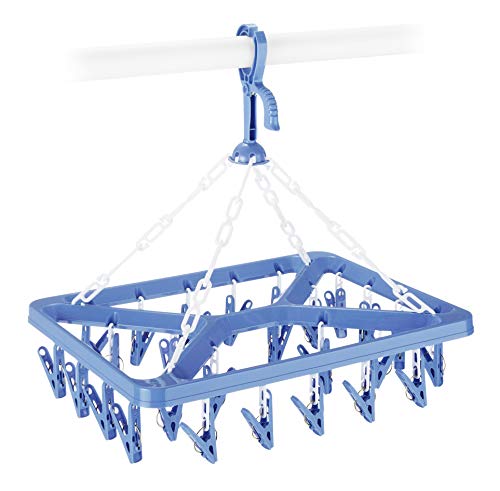
Not everything needs to be laid flat; sometimes, you need a vertical solution for smaller, lighter accessories. This clip-on hanger is brilliant for drying wool socks or small, lightweight lace shawls that don’t require aggressive pinning.
The clips are gentle, but I always suggest placing a small piece of scrap yarn or a soft cloth between the clip and your knit fabric. This prevents those annoying "pin marks" that can distort the stitches at the edge of your work.
This is my go-to for quick-drying items that don’t have enough weight to stretch under gravity. If you’re working with a superwash wool that has a tendency to grow, however, stick to a flat rack to maintain your gauge.
Why Proper Airflow Matters for Wool Fiber Integrity
Wool is a protein fiber that thrives on breathability. When you dry a garment on a solid surface like a towel or a plastic tray, you are essentially creating a moisture trap that can lead to uneven drying and fiber degradation.
Proper airflow ensures that the moisture evaporates evenly throughout the entire garment. If the top dries faster than the bottom, the uneven tension can cause the fibers to "set" in a distorted shape, which is difficult to fix without re-washing.
Furthermore, stagnant air is the enemy of fresh, clean wool. By using mesh racks, you allow the fibers to "breathe," which keeps the wool smelling fresh and prevents the buildup of dampness that can weaken the structure of the yarn over time.
How to Prevent Stretching When Drying Wet Knitwear
The biggest mistake I see beginners make is hanging a wet, heavy sweater on a standard coat hanger. Water is heavy, and when you let gravity pull on wet wool, it will stretch to a point of no return.
Always support the weight of the garment horizontally until it is at least 80% dry. If you must use a vertical hanger, use a specialized "sweater hanger" that supports the shoulders and torso to distribute the weight evenly.
Additionally, always "pat" and "shape" your garment into its final dimensions before leaving it to dry. Don’t pull or tug at the fabric; instead, gently nudge the edges until the garment matches the schematic measurements of your pattern.
Essential Tips for Blocking Delicate Wool Garments
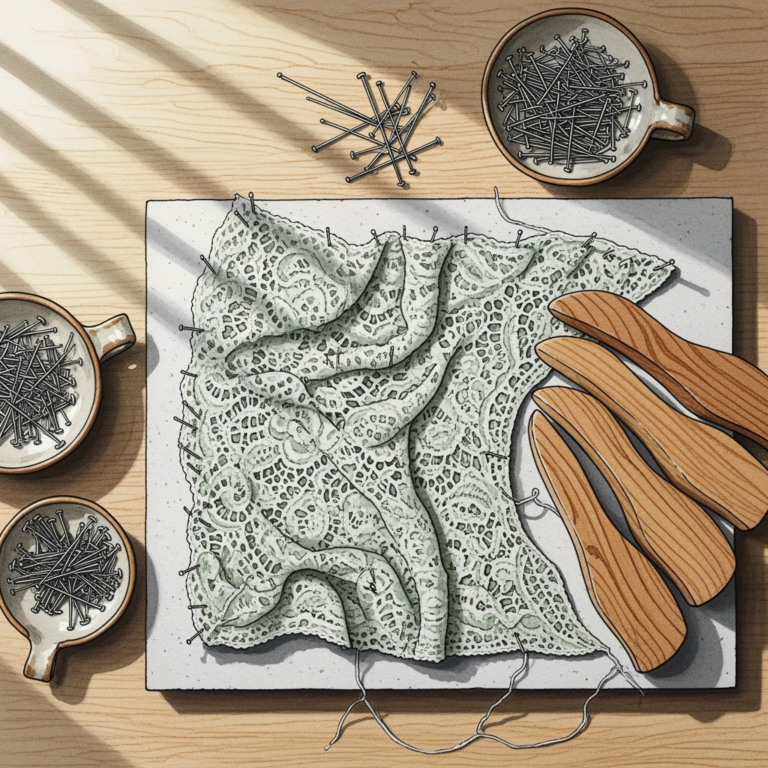
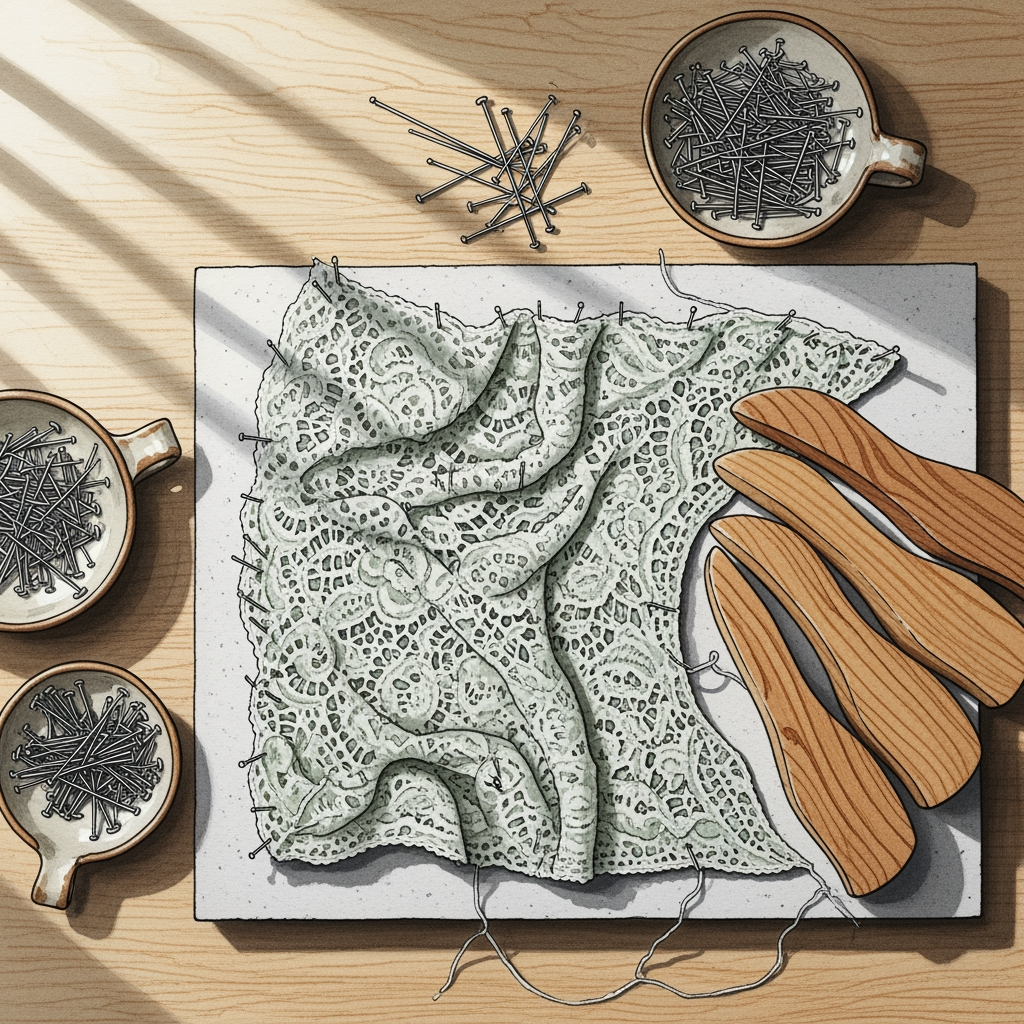
Blocking is the process of gently wetting and shaping your knitwear to finish the project. For delicate items like lace shawls, use blocking wires to get those crisp, clean edges that make the lace pattern really sing.
Always use a mild wool wash and ensure the water is room temperature. Sudden changes in temperature, even in the rinse water, can cause wool to felt—a process where the fibers lock together and shrink permanently.
Finally, never wring out your wool. Instead, lay the wet item on a thick towel, roll it up like a sleeping bag, and press down firmly to absorb the excess moisture before moving it to your drying rack.
Frequently Asked Questions About Drying Wool Items
Can I use a hair dryer to speed up the process? No, I strongly advise against this. The direct, intense heat can cause the wool to dry unevenly and potentially shrink or damage the delicate protein structure.
How do I know if my wool is dry? The best way is to touch the thickest part of the garment, like the armpits or the cuffs. If it feels cool to the touch, it is still holding moisture and needs more time.
Is it okay to dry wool in the sun? Direct sunlight can fade natural dyes and make wool fibers brittle. It is always best to dry your hand-knits in a shaded, well-ventilated area away from direct heat sources.
Taking the time to properly dry your wool accessories is the final act of love for your project. By investing in the right tools and respecting the unique properties of the fiber, you ensure that your hand-knits remain beautiful for years to come. Remember, patience is a knitter’s greatest virtue, especially when it comes to the drying process. Happy knitting, and may your blocking always result in a perfectly shaped finished object.