6 Best Closet Dividers For Accessory Organization
Streamline your storage with our top 6 best closet dividers for accessory organization. Click here to discover the perfect solutions for a tidy, stylish space.
A yarn collection often grows faster than the space available to store it, turning a once-organized stash into a chaotic heap of tangled skeins. Finding the right tools to separate your hand-dyed singles from your utilitarian superwash wools is the first step toward a functional studio. Proper organization prevents long-term fiber damage and ensures that specific yarn weights are always at your fingertips. Selecting the right divider system requires balancing visibility, accessibility, and the delicate nature of fiber storage.
The Container Store 6-Pocket Organizer: Best Overall


This hanging unit offers a structured way to categorize stash by weight, from lace to bulky. By utilizing vertical space, it keeps individual skeins from being compressed at the bottom of a deep bin, which preserves the loft of woolen-spun yarns.
The modular design allows for clear separation, preventing fibers like mohair from sticking to the surface of smoother, tightly-plied cottons. Because the pockets are open and accessible, it is easy to perform a quick visual inventory before starting a new project.
The tradeoff here is weight distribution. Avoid overstuffing lower pockets, as excessive pressure can cause delicate fibers to lose their elasticity over time.
Lynk Shelf Dividers: For Perfectly Stacked Yarn
Shelf dividers are essential when storing larger quantities of yarn that don’t fit into hanging pockets. They transform an open closet shelf into a series of cubbies, preventing stacks of sweaters or yarn cakes from toppling over.
When stacking handknits, these dividers ensure that the weight of a heavy cabled sweater does not collapse onto a lighter lace-weight garment. Maintaining this structure is vital for preventing permanent creases in delicate blocking work.
Ensure the tension of the divider is firm against the shelf, as loose dividers may shift when pulling out a single skein. These are the gold standard for maintaining a tidy, high-visibility library of your fiber collection.
Simple Houseware 5-Shelf Organizer: Top Budget Pick
This hanging organizer is an affordable entry point for managing smaller stashes without needing permanent shelving installations. It is lightweight enough for standard closet rods but strong enough to hold several pounds of yarn.
The open-front design allows for high airflow, which is critical for natural fibers like wool and alpaca. If stored in a high-humidity environment, these shelves prevent the “musty” smell that often develops in airtight plastic bins.
However, be mindful of the fabric material. Some synthetic organizers can be abrasive; line the shelves with acid-free tissue paper if storing precious hand-dyed fibers to prevent accidental snagging on rough seams.
Misslo Hanging Organizer: For Tools and Notions
Knitting is rarely just about the yarn; it is about the needles, stitch markers, and measuring tapes that accompany every project. This organizer uses clear pockets, allowing for the rapid identification of specific needle sizes and cable lengths.
It is particularly useful for storing tools by project type. Small, circular needle sets or dpns (double-pointed needles) stay protected in their dedicated slots, preventing them from slipping into the dark corners of a closet floor.
Keep your most frequently used items in the middle row at eye level. This eliminates unnecessary rummaging, saving time when switching between a project on 3.25mm needles and one on larger 5.0mm needles.
ClosetMaid Cubeicals: The Most Versatile System
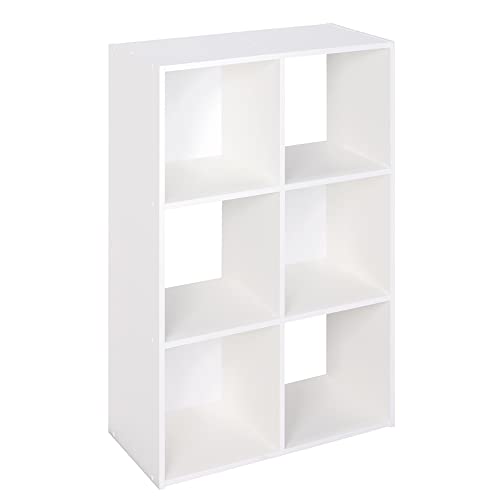
If the goal is to transform a closet into a dedicated fiber workspace, a cube-based system is unmatched. These units provide rigid, individual compartments that offer superior protection against the accidental crushing of yarn cakes or finished lace shawls.
The versatility lies in the ability to insert drawers or bins into specific cubes while leaving others open for airflow. This hybrid approach works well for storing tools in containers while keeping yarn exposed for easier breathing.
Be aware that these units are heavy and permanent once assembled. They are ideal for long-term storage but less practical if the closet needs to remain flexible for clothing storage.
mDesign Fabric Drawers: Ideal for Shelf Inserts
These fabric drawers serve as a middle ground between open shelving and full enclosure. They are excellent for housing “work in progress” (WIP) kits, keeping the yarn, pattern, and needles together in a dust-free environment.
They are perfect for storing smaller, easily tangled items like crochet hooks or sets of interchangeable needle tips. The fabric construction is gentle on delicate wood or carbon fiber needles, unlike the harshness of plastic or metal bins.
Check the dimensions carefully to ensure they fit snugly on your existing shelves. Too much sliding room can lead to the drawers tipping over when pulled out, potentially spilling your carefully wound yarn cakes.
Choosing a Divider for Yarn vs. Finished Objects
Yarn and finished handknits require different storage environments. Unspun yarn, particularly wool, needs airflow to maintain its loft and prevent fiber compression, making open-shelf dividers the better choice.
Finished objects, however, need protection from dust, light, and pests. If you are storing a delicate, hand-blocked cashmere shawl, prioritize a closed-drawer system or a hanging organizer with a dust cover to maintain the integrity of the fibers.
- For Yarn: Use wire or shelf dividers to encourage air circulation.
- For Finished Objects: Use enclosed fabric or plastic drawers to prevent snagging and dust accumulation.
Protecting Handknits from Snags, Pests, and Dust
Snags are the enemy of any handknit garment. Avoid organizers with exposed metal edges or rough zippers, as these can easily catch on mohair or wool-silk blends, leading to unsightly pulls in your stitches.
Pests, specifically moths, are attracted to natural fibers left undisturbed in dark, warm corners. Rotate your stash frequently and use cedar blocks or dried lavender bags within your organizers to deter infestation.
If storing for long periods, always ensure your items are clean. Residual skin oils or moisture from blocking can attract pests, so wash and thoroughly dry every garment before placing it into long-term storage.
Hanging vs. Shelf Dividers: Which One Is for You?
Hanging dividers are best suited for smaller collections or for those who prefer to organize by yarn weight. They keep items vertical, reducing the pressure on the bottom layers of the stash, but they can sag if overloaded with heavy, bulky-weight wool.
Shelf dividers offer superior structural stability for those with large, heavy stashes. They are the preferred method for organizing finished sweaters or blankets, as they allow for flat storage, which is the safest way to store knitted garments long-term.
- Choose Hanging if your stash is primarily skeins and balls.
- Choose Shelving if your stash contains heavy sweaters or large, delicate lace shawls.
Maximizing Space Without Damaging Your Yarn Stash
The primary goal of organization is to increase visibility without sacrificing the condition of the fiber. Over-stacking is the most common error; when yarn is squashed, it loses its “spring” and becomes difficult to gauge for consistent tension when knitting.
Leave at least one to two inches of clearance in each pocket or shelf to ensure air can circulate around the yarn. This simple habit prevents the fibers from becoming flattened and makes it much easier to pull a specific skein without disturbing the entire stack.
Use the vertical space effectively by placing rarely used items at the top or bottom of the closet. Reserve the middle-shelf zone for your active stash, ensuring your most beloved fibers are always ready for the next cast-on.
Investing time in a structured storage system pays dividends in the form of a more enjoyable, less stressful knitting experience. By separating, protecting, and organizing your fibers with the right tools, you transform your closet from a storage burden into a creative studio. Choose the solution that best fits your specific stash volume and garment collection, and you will spend far more time knitting and far less time searching for the right shade of wool.