6 Best Clear Plastic Sleeves For Storing Loose Memorabilia
Protect your precious keepsakes with our top 6 clear plastic sleeves for storing loose memorabilia. Discover the best archival-safe options and shop today.
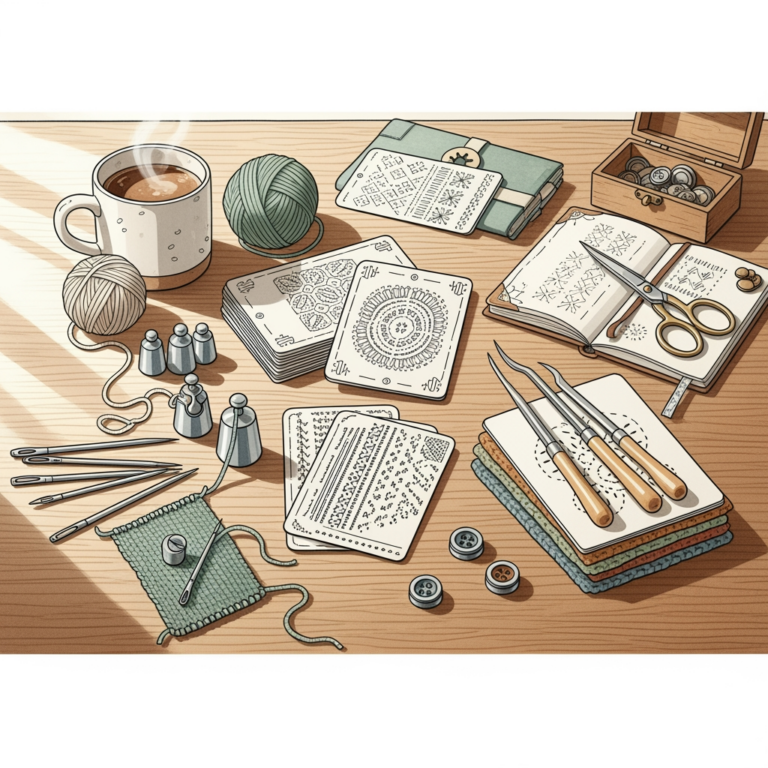
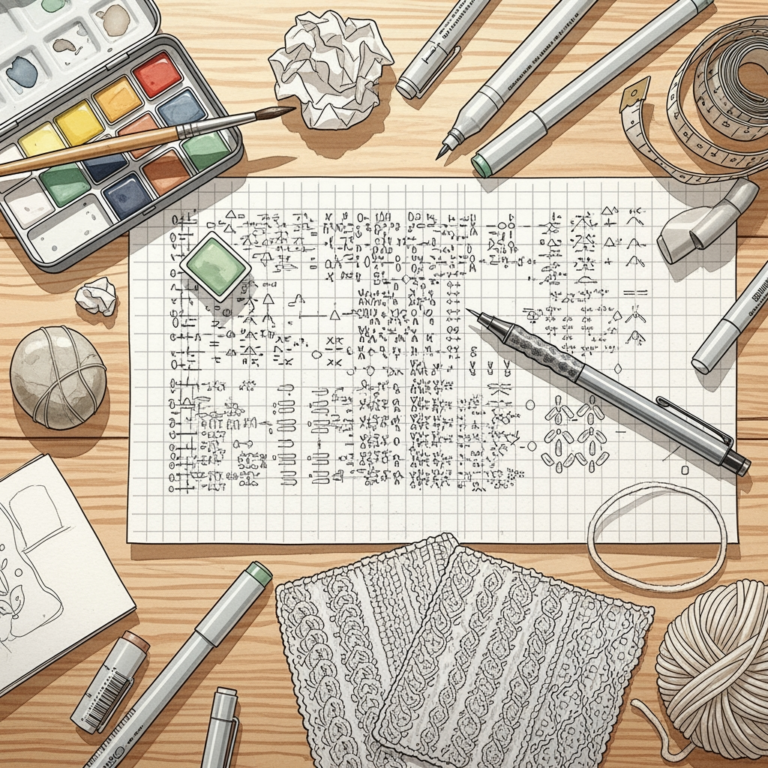
Every knitter accumulates a chaotic paper trail alongside their stash, from vintage pattern leaflets to hand-scribbled notes on needle sizes and yarn dye lots. These delicate documents are prone to yellowing, tearing, or becoming hopelessly misplaced in the bottom of a project bag. Investing in high-quality storage sleeves transforms a pile of loose memorabilia into an organized reference library. Selecting the right protection ensures that your knitting history remains accessible and intact for years of future projects.
BCW 8×10 Photo Sleeves: Best Overall Protection


These sleeves are the industry standard for a reason. Their robust construction provides a physical barrier against the accidental spills of tea or coffee that often occur at the knitting station.
Because they are sized for standard photos, they fit most vintage pattern booklets perfectly without bending the edges. The clarity is excellent, allowing for quick identification of gauge notes or stitch diagrams without needing to remove the document.
While they lack a self-sealing flap, their snug fit keeps papers secure during transport. For the knitter who keeps a reference binder in their project bag, these offer the best balance of price and durability.
StoreSMART Rigid Protectors: For Heirloom Patterns
Sometimes a pattern is too precious to risk even a slight crease. These rigid protectors act like a frame for your paper, providing a stiff backing that prevents folding or crushing.
They are ideal for fragile, older patterns printed on thin, brittle paper that might tear under the weight of a standard binder ring. The added thickness makes them bulkier, so they occupy more space in a storage bin.
Think of these as an investment for your most rare or sentimental knitting ephemera. If a pattern has been passed down through generations, the cost of this added rigidity is a small price for its preservation.
Ultra Pro Platinum Pages: Best for Pattern Binders
These pages are designed specifically for three-ring binders and feature high-clarity polypropylene. They allow for the systematic organization of patterns by garment type or yarn weight.
The top-loading design makes it effortless to swap out a pattern when transitioning from a sweater project to a sock marathon. However, ensure the binder remains upright on a shelf to prevent documents from slipping out over time.
For the organized knitter who maintains a master binder of go-to stitch patterns, these pages are essential. They turn a messy collection of printouts into a professional, searchable resource.
C-Line Heavyweight Protectors: Great Budget Option

When the goal is sheer volume, such as archiving an entire collection of magazine clippings or photocopied charts, these heavyweight protectors are the most economical choice. They are thick enough to resist minor wear and tear while remaining flexible.
They are widely available in bulk, which helps keep the costs of organizing a large stash low. The downside is that the finish is sometimes slightly textured, which can make fine text or intricate lace charts harder to read compared to clear glass-finish sleeves.
These are best utilized for general documentation that is referenced occasionally rather than daily. They are the workhorses of the knitting room.
Gaylord Archival Sleeves: True Museum-Grade Pick
For the serious archivist, museum-grade sleeves provide a chemical-free environment that prevents long-term degradation. These materials are specifically tested to ensure they do not emit gases that cause paper to turn yellow or brittle.
This is the gold standard for rare vintage knitting books or original handwritten design notes from decades past. The investment is higher, but the peace of mind is unmatched for the true collector.
Choose these when the longevity of the document is the absolute priority over cost. When you are preserving a piece of fiber history, these sleeves represent the safest possible choice.
Itoya ProFolio Sleeves: Best for Design Portfolios
These are designed with an aesthetic focus, making them perfect for knitters who treat their pattern collections as a visual portfolio. The sleeves are bound into a book format, which keeps patterns neatly aligned without the need for a bulky three-ring binder.
The material is non-stick, ensuring that ink from printed patterns does not lift off onto the plastic over time. This is a common failure point in cheaper sleeves, where toner eventually leaves a ghost image on the plastic.
These are an excellent choice for a “project ideas” book. Keep them on your coffee table for inspiration without worrying about ink smudging or paper wrinkling.
What “Acid-Free” & “Archival-Safe” Really Mean
In the context of paper storage, “acid-free” refers to paper and plastic products that have a neutral pH. Acidic environments cause paper to yellow and eventually disintegrate, turning once-sturdy instructions into dust.
“Archival-safe” goes a step further, indicating that the material is chemically stable and will not degrade or react with the items stored inside. For a knitter, this means your notes on wool-blend yardage or specific needle adjustments will remain legible for decades.
Always prioritize these labels when choosing storage. If a sleeve is not labeled as archival-safe, assume it contains chemical agents that will eventually harm your collection.
PVC vs. Polypropylene: Which Plastic Is Best?
PVC (polyvinyl chloride) is often found in cheap office supply sleeves and is dangerous for long-term storage. Over time, PVC releases plasticizers that can make the plastic sticky and cause ink to transfer from paper to sleeve.
Polypropylene is the preferred material for any serious storage application. It is chemically inert, meaning it won’t react with the paper or the ink on your patterns.
When shopping, check the recycling code or the packaging description. If you see “polypropylene,” it is safe to use. If it is described as “vinyl” or simply “plastic,” it is best to avoid it.
How to Pick the Right Sleeve Size and Thickness
Size matters when dealing with knitting patterns, as vintage leaflets often come in non-standard dimensions. Always measure your largest pattern before purchasing a pack of sleeves to ensure it won’t be cramped or folded.
Thickness, measured in mils, determines how much protection the sleeve provides. A 2-mil sleeve is standard and flexible, while a 5-mil or higher sleeve provides a stiff, durable barrier.
Choose thin sleeves for standard storage and thicker sleeves for items that will be frequently handled or transported. The goal is to match the durability of the sleeve to the frequency of its use.
Storing Swatches, Yarn Labels, and Vintage Patterns
Storing yarn labels is a helpful way to track fiber content and dye lots for future reference. Use smaller card-style sleeves to keep these labels grouped with the corresponding project notes or patterns.
For swatches, it is best to dry-block them thoroughly before storage to prevent mold. Place them in archival sleeves to keep them flat and prevent snagging, especially if the swatch is knitted in a delicate fiber like mohair or silk.
Label every sleeve with the yarn brand, needle size, and date of the project. A well-organized archive serves as a personal laboratory for future knitting success, providing clear evidence of what worked and what did not.
By implementing a consistent storage system for your knitting memorabilia, you protect your hard work and research for the long term. These tools ensure that your patterns and notes remain as vibrant and useful as the day you first picked up your needles.