
6 Best Beeswax Pellets For Hardening Soap To Use
Discover the 6 best beeswax pellets for hardening soap. Improve your DIY bars with these top-rated, natural ingredients. Read our expert guide to choose yours.
Much like choosing the right fiber blend for a pair of durable work socks, selecting beeswax for soap making requires a keen eye for quality and performance. While beeswax is primarily celebrated for hardening soap, it acts similarly to a structural stabilizer, much like adding a nylon core to a wool yarn to prevent heel blowouts. Consistency is key to a successful batch, ensuring the finished bar retains its shape without becoming brittle. These recommendations provide the foundation for soap that lasts through daily use just as a well-knit sweater lasts through the seasons.
Sky Organics White Beeswax: Best USDA Certified


Purity is the hallmark of this selection, making it an excellent choice for those who treat ingredient sourcing with the same rigor as choosing high-quality, ethically produced wool. The USDA certification offers peace of mind, ensuring the wax is free from the synthetic additives that might disrupt a soap recipe’s delicate chemical balance.
For soap makers, the white color is a distinct advantage when working with light-colored or white soap batches. It prevents the yellow tint often associated with natural, raw wax, which would be as distracting as a stray, dark strand of mohair appearing in a pristine white lace shawl.
This option is perfect if the goal is to maintain the visual clarity of essential oil colors or natural botanical dyes. The consistent pellet size also ensures an even melt, reducing the risk of uneven texture in the final cured bar.
Stakich Yellow Beeswax Pellets: Top Natural Pick
Natural yellow beeswax carries the rich, sun-drenched scent of the hive, providing a sensory experience akin to working with high-lanolin, raw sheep’s wool. This product is ideal for those who prefer their materials in their most authentic, unprocessed state.
Because this wax is not bleached or refined, it retains its natural properties and a slight, golden hue. When used in soap, it imparts a beautiful, rustic warmth to the color palette, making it a favorite for farmhouse-style or artisanal soaps.
Consider this choice when the soap recipe includes earthy, herbal, or woody essential oils that harmonize well with the subtle, honeyed aroma of the wax. It behaves exactly like its white counterpart in terms of hardening power but adds a layer of natural richness that is hard to replicate.
Your Natural Planet Pellets: Best for Cosmetics
When a soap recipe leans into skincare benefits rather than just cleaning power, this brand stands out for its high standard of filtration. Much like picking a luxury silk-blend yarn for its drape and softness, choosing this wax is about prioritizing the tactile quality of the finished product.
The pellets are highly refined, which makes them incredibly smooth during the melting phase. This prevents any grainy, inconsistent patches in the soap, ensuring the bar feels soft and luxurious against the skin rather than scratchy or abrasive.
This is a professional-grade choice for those crafting delicate facial soaps or moisturizing bars. It provides the necessary structural integrity for the bar to resist dissolving too quickly in water without feeling overly waxy or heavy.
Mary Tylor Naturals: Best for Sensitive Skin Soap
Selecting ingredients for sensitive skin is as crucial as picking a hypoallergenic fiber for a garment meant to be worn directly against the neck or wrists. This brand is often selected for its commitment to high purity standards, minimizing the chance of irritation from impurities.
The pellets melt consistently and have a neutral profile, which is essential for soap makers who avoid fragrances or complex additives. It creates a stable, long-lasting bar that doesn’t overwhelm the skin with unnecessary processing agents.
If the intention is to create a “blank slate” soap that relies on gentle base oils like olive or sweet almond, this beeswax ensures that the hardening process doesn’t compromise the bar’s mild nature. It is the steady, reliable choice for sensitive formulations.
Raw Purity Beeswax Pellets: Most Ethically Sourced
Ethical sourcing in ingredients is becoming as vital to crafters as checking the animal welfare practices behind a skein of yarn. This product prioritizes sustainable beekeeping, ensuring that the wax is harvested without harming the health of the colonies.
The quality of the wax reflects the care taken in the production process, resulting in a product that performs with absolute reliability in a soap mold. It melts evenly and provides excellent structural support for even the softer, oil-heavy recipes.
Choosing this wax allows for a soap-making practice that aligns with personal values regarding environmental stewardship. It provides the same hardening benefits as any high-end wax while maintaining a transparent and responsible supply chain.
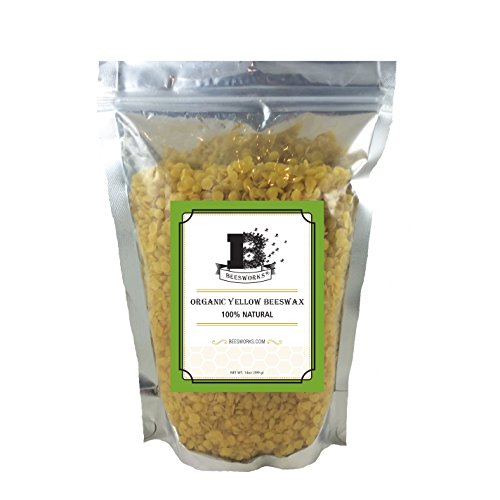
Beesworks Beeswax Pellets: Great Budget-Friendly Buy
Budget-friendly doesn’t have to mean poor performance, just as a sturdy wool-acrylic blend can be the perfect choice for a heavy-duty house blanket. This brand offers a solid, dependable pellet that makes experimenting with soap recipes more accessible without sacrificing the structural integrity of the bar.
These pellets are well-sized, meaning they don’t require specialized tools to measure or melt. If you are learning the ropes of soap making, these offer a consistent entry point for practicing how wax influences the hardness and longevity of your bars.
This is the go-to option for large-scale projects where costs can mount quickly. It provides a reliable result for soaps that are intended for everyday use in high-traffic areas like kitchen sinks or guest bathrooms.
How to Pick the Right Beeswax for Your Soap Recipe
Choosing beeswax is similar to matching the right yarn weight to the size of your knitting needles. If the soap recipe uses very soft oils—like sunflower or hemp—a slightly higher percentage of beeswax is necessary to provide the “structure” needed for a firm bar.
- Purity: Ensure the pellets are 100% pure to avoid inconsistent hardening.
- Refinement: Choose between white (bleached) for color accuracy or yellow (raw) for a natural, honey-scented aesthetic.
- Melt point: All beeswax has a high melting point, which is why it is so effective at hardening bars that would otherwise turn to mush.
Don’t overcomplicate the selection; prioritize the purity level of the product above all else. Just as a low-quality yarn will pill regardless of how well it is knit, a low-quality, impure wax will eventually lead to a soap bar that doesn’t cure or perform correctly.
White vs. Yellow Beeswax: Which Should You Use?
The choice between white and yellow wax is largely an aesthetic one, comparable to choosing between a bleached white yarn or a natural, un-dyed sheep-grey yarn. White beeswax is filtered and refined to remove the color and pollen, whereas yellow is left in its near-harvest state.
Use white beeswax if the soap contains delicate colors or if the recipe is designed to look like a clean, modern, or bright bar. If the soap is meant to look organic, rustic, or is intended to have a natural, golden finish, yellow is the clear winner.
Neither wax provides significantly different hardening results, so let the final look of the bar guide the decision. Remember that yellow wax will impart a faint, pleasant scent of honey, which may conflict with delicate floral fragrances but pairs beautifully with oat or spice-based scents.
How Much Beeswax to Use for the Perfect Hard Bar
Applying beeswax to a soap recipe is a precise science, much like calculating gauge before starting a complicated garment. A general starting point is to use between 1% to 3% of the total oil weight in the recipe.
Exceeding 5% can often make the soap feel too waxy, causing it to leave a film on the skin—similar to how using a yarn with too much synthetic fiber can feel suffocating or “plastic.” Start small, keep a notebook of results, and adjust based on the climate and intended use of the bar.
High humidity environments require a slightly firmer bar, as moisture can make natural soap soften quickly. If the soap is meant for a damp, steamy bathroom, lean toward the 3% range to ensure the bars remain hard throughout their lifespan.
Tips for Melting Beeswax Pellets into Soap Batter
Beeswax has a high melting point, often hovering around 144°F to 147°F, which is significantly higher than most soap-making base oils. Treat the melting process like managing tension in a complex cable project; keep the heat low and slow to ensure everything is perfectly incorporated.
Always melt the beeswax directly into the hard oils before adding any liquid lye solutions. If the wax is not fully melted, it will clump or “trace” prematurely, leading to hard, waxy specks in the final soap, much like an uneven stitch density ruins the drape of a garment.
Using a double boiler is the most effective way to prevent scorching, which can alter the scent and color of the wax. If you must use a microwave, do so in short, 30-second bursts, stirring frequently to ensure the heat is distributed evenly throughout the mixture.
Soap making, much like knitting, is a rewarding craft that rewards patience and careful ingredient selection. By choosing the right beeswax, you are ensuring that every bar you create possesses the professional finish and durability of a well-crafted, heirloom-quality piece.