6 Best Garment Brushes For Natural Fiber Care
Extend the life of your favorite wool and cashmere pieces with our expert guide to the 6 best garment brushes for natural fiber care. Shop our top picks today.
Natural fibers like wool, alpaca, and cashmere are the lifeblood of any serious knitter’s wardrobe, but they demand constant vigilance to remain pristine. Pilling and dust accumulation are inevitable side effects of daily wear, often turning a cherished hand-knit sweater into a neglected closet resident. A dedicated garment brush acts as the primary defense against the wear-and-tear cycle, effectively lifting fibers and removing debris before it settles permanently. Choosing the right tool ensures that those hours spent perfecting gauge and mastering intricate cables are rewarded with a lifetime of garment longevity.
Kent CP6 Clothes Brush: The Heritage Investment


The Kent CP6 is a classic instrument designed for those who view garment care as a ritual rather than a chore. It features firm, natural bristle bunches that excel at lifting embedded dust and surface debris from dense wool coats and heavy-gauge sweaters.
Because it utilizes genuine hog bristles, this brush offers a level of stiffness that synthetic alternatives simply cannot replicate. It provides enough tension to pull fibers upward without tearing them, making it ideal for the sturdy, long-staple yarns often used in traditional colorwork or heavy-duty outdoor knitwear.
While the price point is steep, the durability of a high-quality wood-backed brush makes it a generational purchase. Treat this as a long-term investment for a closet full of expensive natural fibers that require consistent, gentle grooming.
Gleener Fuzz Remover: The Most Versatile Tool

The Gleener is less a traditional brush and more of a multi-functional maintenance system. It utilizes three interchangeable edges designed to tackle everything from fine cashmere lace to heavy, chunky-knit wool blends.
This tool shines for knitters who work with a variety of yarn weights and textures. The different attachments allow for precise control: use the gentlest edge for delicate mohair blends, and switch to the more aggressive setting for high-friction areas like underarms or cuffs where pilling is most likely to occur.
However, the nature of a manual shave-style tool requires a steady hand. Avoid applying excessive pressure, as even the best tools can snag an open stitch or a thin yarn ply if handled recklessly.
Redecker Cashmere Brush: Best for Fine Fibers
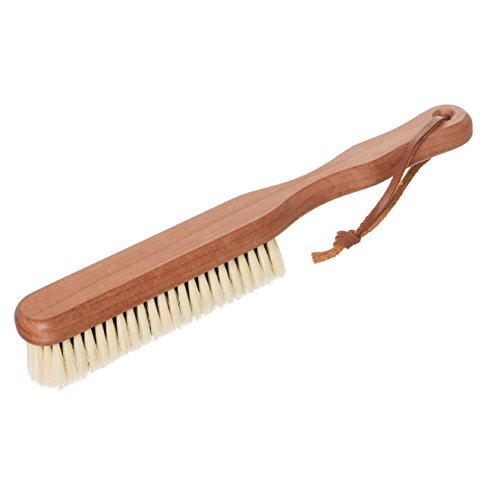
Cashmere is notorious for its tendency to pill, yet its delicate structure makes it sensitive to aggressive brushing. The Redecker brush uses softer, more forgiving bristles specifically engineered for luxury fibers that require a light, clarifying touch.
For sweaters made from ultra-fine micron wool or delicate fiber blends, this brush serves as a preventative measure rather than a rescue tool. It aligns the fibers beautifully, restoring the “bloom” to the yarn and preventing the matting that occurs when fibers tangle during storage or wear.
When using this on your finest knits, always brush in a single direction rather than a back-and-forth motion. This keeps the fibers smooth and reduces the mechanical friction that leads to premature pilling.
Comfy Clothiers Cedar Brush: For Wool Lovers
This brush incorporates a cedar handle, which provides an added benefit for those who store knitwear seasonally. The cedar offers a light, natural scent that acts as a subtle deterrent for pests, making it a perfect partner for stashing winter sweaters in the off-season.
The bristles are firm enough to refresh the loft of heavy wool sweaters that have gone flat after months in a drawer. It effectively cleans out surface dirt, which is critical because trapped dust can act like sandpaper on yarn fibers, shortening the lifespan of a hand-knit garment.
If the primary goal is protecting a collection of woolens from both dirt and pests, this tool offers the best balance of utility and passive protection. It is a workhorse tool meant to keep the sweater’s structure intact while ensuring the environment remains inhospitable to moths.
Steamery Stockholm Lint Brush: Sleek & Modern

The Steamery brush deviates from traditional bristle designs by utilizing a specialized fabric face that traps lint and dust with a simple sweeping motion. It is an ideal choice for the modern minimalist who wants a low-profile, highly efficient way to clean garments before heading out the door.
It works exceptionally well on smooth-faced yarns or cotton-wool blends that tend to attract lint like a magnet. Because it lacks rigid bristles, there is zero risk of snagging an exposed end or a delicate cable cross, making it the safest option for complex, lacy projects.
Do not expect this tool to remove pilling, as it is strictly a surface cleaner. Use it to maintain the finish of a garment after grooming, ensuring that no stray lint settles back into the knit.
Dritz Clothing Care Brush: The Best Budget Pick
The Dritz brush is a ubiquitous, utilitarian option that gets the job done without unnecessary bells and whistles. It is perfect for the knitter who wants an accessible, reliable tool to keep in a knitting bag for quick cleanup after a day of wear.
The bristles are synthetic and functional, providing sufficient grip to lift surface debris from most standard-gauge yarns. It may not possess the longevity of a Kent or the specialized touch of a Redecker, but it is a consistent performer for day-to-day maintenance.
It is a fantastic introductory tool for a novice knitter who is just beginning to understand the importance of fiber care. Save the premium tools for your heirlooms and keep this one for your everyday staples.
How to Use a Garment Brush (The Right Way)
Always lay your garment flat on a clean, solid surface before you begin brushing. Brushing while a garment hangs can stretch the fibers out of shape, especially in heavier wool knits that have absorbed moisture from the air.
Begin with long, smooth strokes in the direction of the knit’s grain. If the garment is particularly dusty, use short, rhythmic strokes to lift the debris into the bristles.
Avoid heavy scrubbing, which can create more pilling than it removes. Focus on high-wear areas like elbows, cuffs, and underarms, but keep the pressure consistent and light to preserve the integrity of the individual yarn plies.
Brush, Shaver, or Stone: Which Tool Is Best?
A brush is for regular maintenance and debris removal. A sweater shaver is a mechanical tool used specifically to remove stubborn pilling once it has already formed. A fabric stone uses a pumice-like texture to pull pills off gently.
Use a brush daily or weekly to prevent the need for a shaver. Only turn to a sweater shaver when pilling becomes visible, as constant shaving can eventually thin the fabric.
Treat your hand-knits as you would your own hair: brush it frequently to keep it smooth, but use heavy treatments only when absolutely necessary. A well-brushed garment rarely needs a deep shave.
Choosing a Bristle Type for Your Knitwear
- Natural Hog/Boar Bristle: Best for heavy, sturdy wools and hardy, thick-gauge garments. These provide the best “grip” for removing deep-seated dust.
- Soft Horsehair: The gold standard for delicate fibers like cashmere, fine merino, and alpaca blends. These bristles are gentle enough to prevent structural damage.
- Synthetic Bristles: Reliable for everyday maintenance of acrylic-wool blends or cotton. These are easy to wash and hold up well to frequent use.
Select your brush based on the fiber content of your current “most-worn” project. If you primarily knit in luxury fibers, prioritize a softer natural bristle to avoid long-term fiber wear.
How to Clean and Care for Your Garment Brush
Remove lint from your brush after every use by running a fine-tooth comb through the bristles. This prevents the debris you just cleaned off from being transferred back onto your next sweater.
Occasionally wash your natural bristle brush by swishing the bristles in a mild wool-safe detergent mixed with cool water. Keep the wooden handle dry, and let the brush air dry with the bristles facing downward to prevent water from loosening the wood and glue.
Properly maintained tools are the secret to a long-lasting knitting collection. Treat your brushes with the same care you give your favorite needles, and they will help your hand-knits look store-bought fresh for years.
Investing in a high-quality garment brush is the final, essential step in the knitting process. By integrating these tools into a regular care routine, the integrity of the fibers is preserved, and the lifespan of every stitch is extended. While the choice of tool depends on the fiber and the frequency of wear, consistency is ultimately the key to maintaining a beautiful, long-lasting collection of hand-knits.