
6 Best Absorbent Cloths For Cleaning Calligraphy Pens
Keep your calligraphy nibs in pristine condition with these 6 best absorbent cloths. Read our guide to choose the perfect material for effective ink cleanup.
Maintaining a pristine calligraphy nib is as critical to a successful stroke as maintaining consistent tension is to a lace shawl. Just as a snagged yarn fiber can ruin the delicate structure of a fine-gauge knit, a microscopic piece of lint or a residue-laden cloth can wreak havoc on ink flow and nib precision. Choosing the right material for cleaning ensures that delicate metal tips remain corrosion-free and ready for the next letter. Proper tool maintenance ultimately translates to better control, much like selecting the correct needle material for a slippery mohair blend.
Speedball Pen-Wipe: Best for Nib Longevity


Speedball Pen-Wipes are specifically engineered for the rigors of calligraphy, much like how specialized row counters are designed for complex lace patterns. Their unique composition minimizes the risk of bending fragile tines during the cleaning process.
These wipes provide a consistent, slightly textured surface that effectively lifts dried ink without leaving behind abrasive debris. They function similarly to a high-quality wool wash, protecting the integrity of the tool while ensuring it is thoroughly sanitized.
The primary benefit here is structural safety. Since they are designed for the specific pressures of pen cleaning, they offer a reliable baseline that prevents the “nib-fatigue” that occurs when using repurposed household rags.
Kimtech Kimwipes: The Lint-Free Lab Standard
Kimwipes are the gold standard for delicate precision, functioning much like high-end magnification tools for checking knitting gauge. Because they are chemically inert and incredibly low-lint, they are the first choice for working with volatile or specialized inks.
In the world of textiles, one would never dream of using a fuzzy, shedding yarn for a project requiring high stitch definition. Similarly, Kimwipes ensure that no stray fibers enter the nib slit to disrupt the capillary action of the ink.
While they lack the durability of a woven cloth, their disposability is a significant asset. A fresh wipe for every color change eliminates the risk of cross-contamination, a common headache for any crafter working with expensive hand-dyed yarns.
Cotton Huck Towels: The Traditional Choice
Huck toweling is a classic choice, reminiscent of the durability found in traditional Shetland wool. These towels are woven specifically to be absorbent and durable, standing up to years of repetitive use without fraying or shedding excessively.
The weave of a huck towel is tight enough to prevent snagging on the sharp points of a dip pen. They hold moisture well, allowing for a thorough deep-clean of the nib when dipping into solvent or water.
Like a sturdy set of bamboo needles, these towels offer a reliable, tactile experience. They break in over time, becoming softer and more absorbent with every wash, which enhances their utility for long calligraphy sessions.
The Rag Company Microfiber: Most Absorbent

Microfiber excels at rapid fluid absorption, acting much like a superwash merino that wicks moisture away from the skin. For calligraphers working with large quantities of ink or heavy washes, this material is unmatched in its ability to dry a nib instantly.
The split-fiber technology traps microscopic pigment particles that other cloths might simply smear around. This deep-cleaning ability is vital for those who frequently switch between iron gall and acrylic-based inks.
However, use caution: cheaper microfiber can sometimes snag on the nib if the weave is too “grabby.” Always select a high-density, smooth-weave microfiber to ensure the fibers do not catch on the delicate metal of the pen tip.
Flour Sack Towels: Best Budget All-Rounder
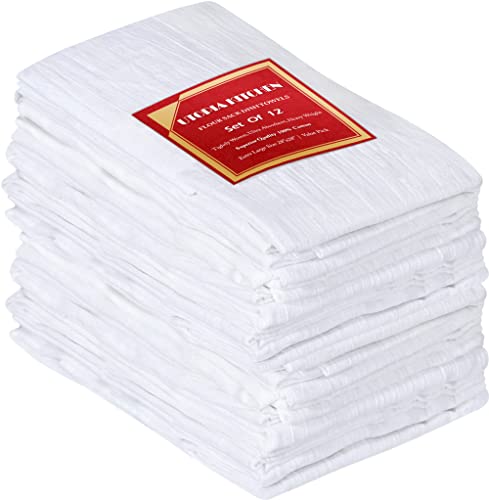
Flour sack towels are the workhorses of the studio, offering a lint-free performance that rivals expensive specialty supplies. Their thin, lightweight nature makes them incredibly easy to manipulate around small nib assemblies.
Think of these as the unbleached muslin of the calligraphy world—simple, functional, and highly effective. They are exceptionally soft and become more absorbent after several trips through the laundry, mimicking the way cotton yarn softens after blocking.
If budget is a primary concern, a simple flour sack towel is a better investment than a pack of low-quality paper towels. They are reusable, sustainable, and provide a clean, smooth surface that respects the geometry of the nib.
Natural Linen Cloth: A Sustainable Option
Linen is a prized fiber in both knitting and calligraphy for its exceptional strength and lack of lint. It is essentially the “linen yarn” of the cleaning world—durable, cooling, and structured.
Because linen is highly resistant to pilling, there is zero risk of synthetic fibers or cotton fluff infiltrating the pen’s reservoir. It provides a crisp, clean surface that is ideal for precision wiping.
While the upfront cost is higher than a standard cotton rag, the longevity of linen is superior. It is a long-term investment that ages gracefully, much like a well-cared-for heirloom sweater.
How to Choose the Right Cloth for Your Ink
Selecting a cleaning cloth depends largely on the chemical composition of the ink being used. Pigmented, waterproof inks require more aggressive cleaning, whereas traditional dye-based inks wipe away with ease.
- For Waterproof/Acrylic Inks: Opt for the high-absorbency of Microfiber to ensure no pigment residue remains to clog the ink channel.
- For Dye-Based/Fountain Pen Inks: A Flour Sack Towel or Linen Cloth is sufficient and less prone to grabbing at the nib.
- For Precision/High-Calligraphy Projects: Always keep Kimwipes on hand to ensure a perfectly clean surface between major color transitions.
Why Paper Towels Are a Calligrapher’s Enemy
Paper towels are the equivalent of using a cheap, acrylic yarn that splits and sheds while you are in the middle of a complex row. They are loaded with wood pulp fibers that readily detach, lodging themselves firmly inside the nib and obstructing ink flow.
Even “lint-free” paper towels contain microscopic dust that settles in the nib slit. This debris creates friction, interrupts the smooth delivery of ink, and leads to scratchy, inconsistent lettering.
For the sake of the nib’s lifespan, avoid them entirely. Any perceived convenience is immediately offset by the loss of precision and the potential for long-term damage to the tool.
Caring for Your Reusable Pen Cleaning Cloths
Proper maintenance of reusable cloths is essential to prevent ink buildup from turning into a hardened crust. Wash cloths using a mild detergent, avoiding fabric softeners which leave behind a residue that can interfere with ink flow.
Just as one would block a finished garment to restore its shape and texture, regularly laundering cleaning cloths keeps the fibers soft and absorbent. Air-drying is preferred, as high heat in a dryer can eventually break down the fibers.
If a cloth becomes stiff or heavily stained, it is time to retire it to a general utility bin. A cloth that no longer absorbs is a hindrance, not a tool, and will only result in messy ink management.
Cotton vs. Microfiber vs. Linen: A Showdown
The choice between these three materials often comes down to personal tactile preference and the specific ink viscosity. Microfiber is the king of absorption but requires a smooth weave to avoid snagging.
Cotton—specifically huck or flour sack—is the reliable middle ground. It offers enough texture to lift stubborn dried ink without the extreme grab of some synthetic blends.
Linen is for the minimalist who values purity and structural integrity. It is the most professional choice, offering a clean, snag-free experience that preserves the nib for years of writing.
Selecting the right cloth is as much an art as the calligraphy itself, requiring an understanding of how materials interact with your tools. By choosing a cleaning surface that respects the mechanics of the nib, you ensure that every stroke remains as crisp as a perfectly executed stitch. Invest in high-quality materials, treat them with care, and the longevity of your calligraphy pens will follow.