6 Best Binding Clips For Finishing Quilt Edges
Keep your quilt layers perfectly aligned with ease. Discover the 6 best binding clips for finishing quilt edges and achieve professional results. Shop our picks now!
Finishing a quilt edge is the final, critical step that determines whether a project looks polished or amateur. While pins have long been the traditional choice, they often leave behind distorted fabric or painful punctures in the hands of the maker. Binding clips offer a superior, bloodless alternative that keeps layers perfectly aligned without damaging the delicate quilt top or backing. Choosing the right clip can transform a tedious binding process into a smooth, professional finish.
Clover Wonder Clips: The Gold Standard Overall
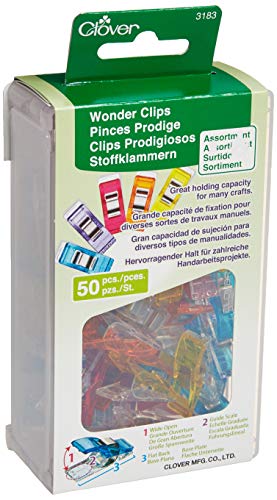

Clover Wonder Clips represent the industry benchmark for a reason. They feature a flat base that glides easily across the sewing machine bed, ensuring the quilt does not snag or bunch during the binding process.
The gripping power is firm enough to hold multiple layers of heavy, high-loft batting and backing together without slipping. This reliability is vital when working on large, heavy quilts that tend to pull on the binding fabric as they rotate through the machine.
These clips are constructed from high-quality, durable plastic that maintains its tension over years of heavy use. Investing in a set of Clover clips often means purchasing them only once, as they resist the cracking that cheap imitations suffer from after just a few projects.
MumCraft Multipurpose Clips: Best Budget Bulk Pack

For those tackling expansive king-sized quilts, the sheer volume of clips required can become a significant investment. MumCraft clips provide an affordable solution without sacrificing the essential functionality required to keep a binding edge taut.
These clips are sold in larger quantities, which is ideal for “basting” the entire perimeter of a quilt before the final machine stitch. Having enough clips to secure the binding every two inches ensures the fabric doesn’t shift, preventing unsightly tucks or puckers on the back of the project.
While the plastic may feel slightly less rigid than premium brands, they offer more than enough strength for standard cotton quilts. They serve as an excellent option for makers who prefer to clip an entire project at once rather than moving clips as the sewing progresses.
I-BEADS Jumbo Clips: Best for High-Loft Batting

Heavyweight quilts often utilize high-loft wool or thick bamboo batting that pushes back against the binding. Standard-sized clips frequently struggle to maintain a grip on such thick sandwiches, often popping off at the most inconvenient times.
Jumbo-sized clips from I-BEADS feature a deeper reach and a stronger spring mechanism specifically designed for high-volume fabric stacks. They provide the extra capacity needed to bite through layers of batting, backing, and double-fold binding without straining the spring.
These are particularly useful for art quilts or wall hangings that incorporate unconventional materials or stiff interfacings. If a project feels “puffy” or springy during the final binding stage, these jumbo clips are the reliable solution to force those layers into submission.
Riley Blake Mini Clips: Perfect for Tight Curves
Quilts with scalloped edges or intricate, curved borders require specialized tools that do not overwhelm the fabric geometry. Standard clips can be too bulky, overlapping each other when navigating the tight turns of a complex edge.
Riley Blake Mini Clips are specifically scaled for precision work and tight corner navigation. Their smaller footprint allows for closer placement, which is essential for maintaining consistent binding tension along curved seams.
Using these smaller clips minimizes the distortion of the fabric along the bias. When the binding is pulled around a curve, these mini clips hold the fabric firmly against the edge, ensuring the curve remains smooth and even rather than angular.
The Gypsy Quilter Binding Babies: Smartest Design
Binding Babies from The Gypsy Quilter represent a departure from the standard spring-clip design, focusing instead on organization and storage. These clips feature a spool-like shape that allows the quilter to wrap the binding fabric directly around the clip.
This design serves a dual purpose: it keeps the binding strip neatly organized while also acting as a weighted clip to hold the quilt edge in place. By keeping the binding wrapped, the fabric is less prone to twisting or knotting while waiting to be stitched.
This is an ideal solution for those who use pre-made bias tape or who prepare their own binding in advance. It turns the binding process into a tidy, streamlined system that prevents the common frustration of dealing with long, tangled lengths of fabric strips.
Dritz Getta Grip Sewing Clips: Most Versatile
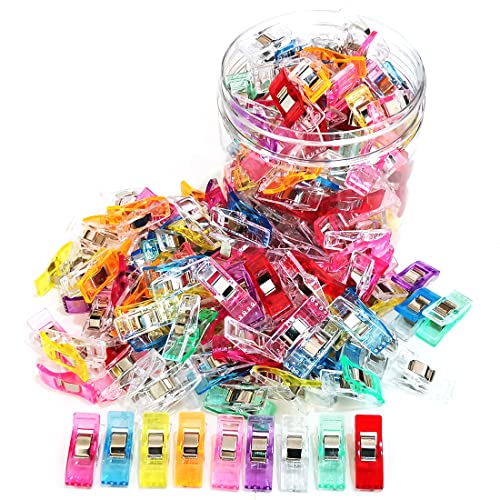
Dritz Getta Grip clips offer a distinct “teeth” pattern on the interior of the clip that locks fabric layers together with exceptional security. This texture prevents the clips from sliding off, even on slippery fabrics like silk or polyester-blend backing.
The versatile shape of these clips makes them suitable for everything from binding to holding temporary seams in place during construction. They are effectively a multi-tool for the sewing room, useful for both assembly and final finishing touches.
Because of their superior grip, they are the best choice for beginners who struggle with clips “shooting” off the quilt when the fabric is bumped. They provide a sense of stability that allows the quilter to focus on stitch placement rather than adjusting the work.
What to Look For in a Quality Binding Clip
When evaluating clips, prioritize the quality of the internal spring. A strong spring ensures that the binding remains held tight against the quilt edge, which is the only way to guarantee a consistent seam allowance.
Consider the base profile of the clip as well. A flat base is essential for machine quilting, as it prevents the clip from getting caught on the sewing machine throat plate or presser foot.
- Material Strength: Look for reinforced plastics that won’t snap under the tension of thick fabric stacks.
- Capacity: Ensure the clip has a wide enough opening to accommodate the combined thickness of your top, batting, and double-fold binding.
- Visibility: Bright, high-contrast colors make it easier to locate dropped clips on the floor, preventing accidental damage to a vacuum or foot injury.
Clips vs. Pins: A Quilter’s Side-By-Side Guide
Clips are superior for binding because they do not leave holes in the fabric, which is particularly important when working with high-quality quilting cotton or delicate backing fabrics. A pin hole can become a structural weakness or a visible blemish in the finished work.
Pins are often faster for securing flat, single-layer fabric, but in the context of a thick quilt sandwich, they are cumbersome and dangerous. Pushing a pin through four layers of fabric is a repetitive strain that can lead to hand fatigue and broken pins.
Clips also provide a better visual gauge for the binding edge. Because the clip sits on the surface of the quilt, it is easier to see exactly where the binding aligns with the edge of the quilt sandwich compared to a pin that hides inside the fabric layers.
How Many Binding Clips Do You Actually Need?
For most quilters, a set of 50 clips is sufficient to complete a standard throw-sized quilt. This allows for generous spacing along the perimeter without needing to stop and reposition the clips constantly.
If the goal is to clip the entire perimeter before stitching, 100 clips are recommended for a queen-sized project. Having an excess of clips is always better than running out, as stopping to move clips mid-stitch increases the likelihood of creating a slight shift or bump in the binding.
Beginners should start with a 50-pack. This provides enough utility to learn the mechanics of the process without the storage burden of a massive collection. As projects grow in complexity or size, extra packs can be added to the toolkit as needed.
Pro Tips for Using Clips on Mitered Corners
Mitered corners are the hallmark of a professional quilt, but they require precision at the corner fold. Use two clips per side to secure the binding right up to the corner point, but do not clip the miter itself until the binding is folded.
Once the miter is folded and the fabric is perfectly squared, place a single, sturdy clip directly over the miter to hold the fold in place. This ensures the corner stays flat and crisp as the needle approaches the turn.
If the fabric is particularly thick, use a stiletto to gently tuck the excess fabric into the corner fold before applying the clip. This creates a sharper corner and a more professional transition that will not unravel during laundering.
Investing in high-quality binding clips is one of the most effective ways to improve the finish of any quilt. While individual preferences vary, the consensus among professionals is that using the right tool for the job—whether it is a specialized mini clip for curves or a heavy-duty jumbo clip for high-loft batting—will yield a cleaner, more durable edge. By transitioning away from pins, you preserve the integrity of your fabric while gaining better control over the final presentation of your project.