6 Best Labeling Pens For Batch Tracking Professionals
Streamline your workflow with the 6 best labeling pens for batch tracking professionals. Explore our expert top picks and improve your inventory accuracy today.
Efficient yarn stash management starts long before a project hits the needles. When multiple skeins are pulled from different dye lots, the risk of subtle color shifts across a sweater or shawl becomes a significant professional concern. Proper labeling ensures that every gram of yarn is accounted for, preventing the dreaded “color blocking” error that occurs when two batches of the same colorway fail to match perfectly. Selecting the right marker is as critical as checking gauge or swatching for tension, as a faded or smudged label renders batch data useless.
Pigma Micron Pen: Best for Archival Paper Tags
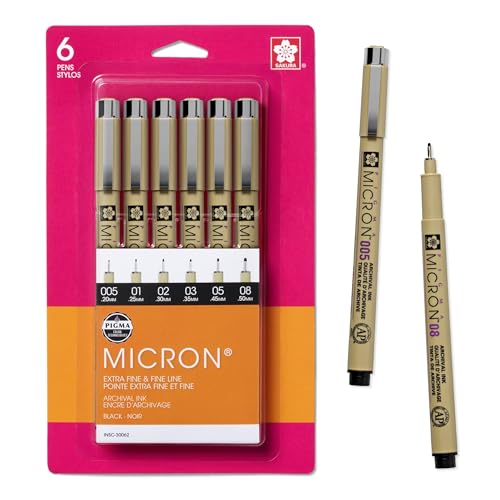

The Pigma Micron is a favorite for those who use high-quality cardstock or archival-grade paper tags for their yarn inventory. Its pigment-based ink provides superior lightfastness, meaning the dye lot numbers won’t vanish after years of storage in a craft room or studio.
Because the ink is archival, it doesn’t break down the paper fibers over time. This makes it ideal for long-term stash organization, especially for rare, hand-dyed yarns that might sit in a collection for years before being transformed into a masterpiece.
However, avoid using these on glossy or plastic-coated surfaces, as the ink will smear instantly and never fully set. Reserve the Pigma Micron for matte paper tags where precision and longevity are the primary goals.
Sharpie Industrial: For Heavy-Duty Durability

When yarn inventory lives in a damp basement or a high-traffic workshop, standard markers simply cannot handle the environment. The Sharpie Industrial is engineered to withstand extreme heat, cold, and moisture, making it a workhorse for professional yarn storage.
The ink in the Industrial model is formulated for surfaces that typically repel regular markers. It holds fast against the occasional splash of water or the friction of being tossed into a project bag alongside metal needles and sharp scissors.
Be aware that the tip is significantly broader than a standard office marker. It is meant for clear, bold lettering on durable tags rather than fine, detailed notations on delicate silk ribbon or thin paper.
Sakura IDenti-Pen: The All-Surface Go-To Pen
For the knitter who keeps a mixed inventory of glass jars, plastic bins, and paper labels, the IDenti-Pen offers a unique dual-tip advantage. One side features a fine plastic point for tiny handwriting, while the other provides a fiber tip for bolder, more visible text.
This pen adheres to almost any surface found in a fiber studio. It is the most versatile tool for tagging everything from acrylic storage totes to paper bands on hanks of wool.
Keep in mind that while it sticks to everything, the ink can take a moment to dry on non-porous surfaces like plastic or metal. Give it a few seconds before handling to ensure the ink doesn’t smudge under a thumb.
Sharpie Rub-a-Dub: Top Choice for Fabric Labels
Many knitters prefer sewing small fabric tags onto finished items or temporary project bags to keep track of fiber content and lot numbers. The Sharpie Rub-a-Dub is explicitly designed to remain permanent even after multiple cycles through a laundry machine.
It excels on cotton, linen, and blends, effectively penetrating the weave without the “bleeding” effect often seen with standard markers. This is essential for professional knitwear designers who need their labels to survive the reality of garment care.
Test a small swatch of your fabric tag first to ensure the ink doesn’t feather into the weave of the textile. Once cured, this ink is virtually impossible to remove, so precision is key.
Zebra PM-701: A Rugged and Refillable Option
The Zebra PM-701 distinguishes itself with a heavy-duty, stainless steel barrel that feels substantial in the hand. It is a favorite among knitters who appreciate tools that are built to last a lifetime, aligning with the “buy once, cry once” philosophy.
This marker is refillable, reducing waste and ensuring the pen is always ready for a large inventory session. It is particularly effective on smooth surfaces where standard ink might skip or dry out quickly.
The upfront cost is higher than a pack of disposable markers, but the durability justifies the investment for a dedicated fiber arts studio. It is a serious tool for a serious inventory system.
Staedtler Lumocolor: Excels on Slick Surfaces
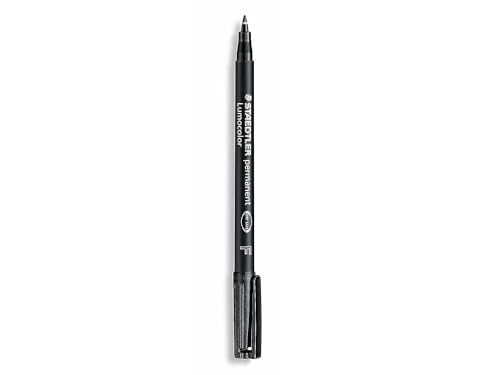
Acrylic storage bins and glass jars are staples of organized knitting spaces, but they are notoriously difficult to label. The Staedtler Lumocolor is specifically formulated for these glossy, non-porous surfaces, drying rapidly and staying put.
If you rotate your yarn stock frequently, you will appreciate that the ink can be removed from smooth surfaces using a bit of alcohol or a specialized cleaner. This allows for reusable labels that stay legible until the time comes to wipe the slate clean.
While this pen is a master of slick surfaces, avoid using it on raw, porous paper. The ink can bleed into paper fibers, creating a fuzzy, illegible mess that defeats the purpose of accurate tracking.
Why Dye Lot Tracking Is Crucial for Professionals
Dye lots are determined by the batch of yarn dyed together in the same vat at the same time. Even with strict industrial controls, two batches of the same colorway—even by the same brand—can vary in tone, intensity, or undertone.
For a sweater that requires six skeins of yarn, mixing dye lots is a recipe for a visible “seam” where the colors shift. Professionals always track these numbers to ensure the finished garment looks cohesive, regardless of whether the yarn was purchased at once or over several months.
Neglecting this detail is a common mistake that is nearly impossible to fix once the yarn is knitted. Consistent labeling protects the hundreds of hours invested in a complex project.
Choosing a Pen Based on Your Labeling Surface
- Matte Paper/Cardstock: Use pigment-based pens like Pigma Micron for long-term archival stability.
- Plastic/Glass: Opt for permanent, alcohol-based markers like the Staedtler Lumocolor for clean, clear lines that can be wiped off when needed.
- Fabric/Textile Tags: Choose specialized laundry-safe markers like the Sharpie Rub-a-Dub to withstand washing and blocking.
- Outdoor/Harsh Environments: Reach for industrial-grade markers that resist moisture and extreme temperatures.
Always consider the texture of the surface; a porous surface will suck ink into its fibers, while a non-porous surface requires ink that sits on top and dries without smearing. Matching the pen to the surface is the first step toward a bulletproof tracking system.
Ink 101: Pigment vs. Dye-Based Permanent Inks
Pigment-based inks consist of solid color particles suspended in a carrier, which sit on top of the surface. These are generally more lightfast, meaning the ink won’t fade as quickly when exposed to direct sunlight or ambient light in a studio.
Dye-based inks are dissolved into the carrier, meaning they sink deep into the material. While they often produce very vibrant colors and dry faster, they are more susceptible to fading over time or reacting to environmental factors like humidity.
For permanent archival labeling, prioritize pigment-based inks to ensure that your dye lot records remain readable for years. Save dye-based markers for quick, temporary notes where longevity is less of a concern.
How to Set Up Your Batch Labeling System
A reliable system relies on consistency and proximity. Keep your preferred marker in the same location where your yarn is stored so that you can label a skein immediately upon unboxing.
Every label should include at least three pieces of information: the brand, the colorway name, and the critical dye lot number. If the yarn is hand-dyed, adding the date of purchase or the specific supplier can also be a helpful touch.
Organize your yarn in clear, airtight containers and apply labels to the exterior so you can browse your stash without exposing the fibers to unnecessary dust or sunlight. A well-maintained inventory is the foundation of every successful project.
Effective batch tracking is the hallmark of a meticulous knitter who values their time and materials. By choosing the right labeling tools and maintaining a consistent system, you eliminate the guesswork and safeguard the aesthetic integrity of every piece you create.