6 Best Knitting Stitch Markers For Complex Lace Patterns
Struggling with intricate lace? Discover the 6 best knitting stitch markers designed for complex patterns to keep your place and simplify your next project today.
Tackling complex lace requires more than just patience and a steady hand; it demands an organizational system that keeps stitches in their proper place. When repeats span dozens of stitches or involve intricate yarn-over sequences, the right stitch marker acts as a vital safety net. Choosing the wrong tool can lead to snagged yarn, interrupted flow, or the dreaded dropped stitch deep within a pattern. This guide explores the most effective markers for maintaining sanity while working through delicate, complex lace charts.
Cocoknits Metal Markers: Best for Pattern Coding
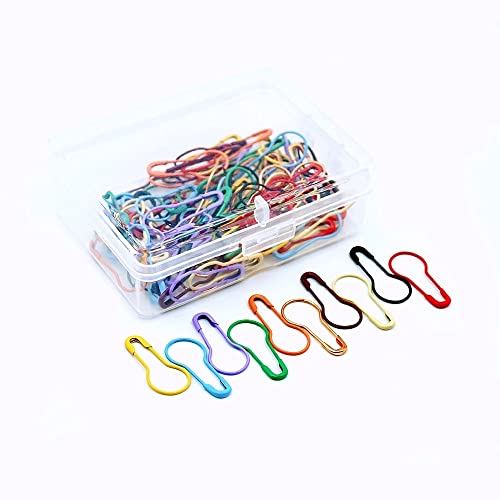

Cocoknits metal markers excel because they offer a color-coded system that allows for logical organization within a pattern. By assigning different colors to the start of a round, pattern repeats, or specific lace motifs, the knitter creates a visual map that is easy to navigate at a glance.
Because these markers are made of steel, they are also magnetic. This feature provides a massive advantage for those who use magnetic pattern holders or need a quick way to store markers on a metal surface while rearranging a workspace.
The sleek, nylon-coated finish ensures they slide easily over needles without snagging on fine lace weight or mohair-blend yarns. These markers provide a substantial feel that helps keep them from sliding off the needles during transit, though their slightly rigid shape means they do not collapse if accidentally sat upon.
Clover Locking Markers (Small): Most Versatile

Clover locking markers are the gold standard for versatility, as they function like safety pins that can be moved and re-attached as needed. In lace knitting, this is critical when a pattern requires a marker to be placed mid-row or attached directly to a specific stitch to highlight a difficult increase or decrease.

The small size is particularly important for lace projects where bulky markers would distort the tension of the stitches. They lock securely, preventing them from falling out during the constant movement of intricate lace maneuvers.
Be aware that the plastic clasp can occasionally catch on delicate fibers like silk or alpaca. When working with extremely “hairy” or fragile yarns, keep the locking mechanism clear of the working loop to avoid fiber breakage.
Katrinkles Mini Circles: Best for Fine Gauge Lace
Katrinkles mini circles are crafted from wood, providing a lightweight option that avoids the metallic “clinking” sound of steel markers. Their incredibly thin profile makes them ideal for fine-gauge lace where every millimeter of extra thickness might pull on the stitches and create uneven tension.
Wood has a natural grip that helps the marker stay put when the needles are resting, preventing the sliding common with polished metal. This makes them perfect for lace shawls that might sit in a project bag for days at a time.
Because these are laser-cut wood, ensure they have a smooth finish to prevent splintering. High-quality wooden markers are polished specifically to protect delicate laceweight yarns, ensuring they glide smoothly even over sticky wool fibers.
Tulip Heart Locking Markers: A Knitter’s Favorite
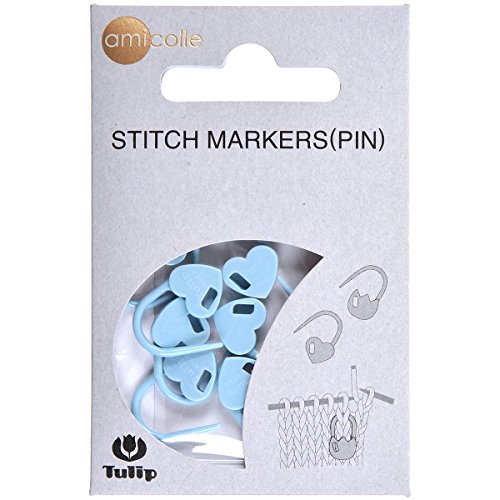
Tulip heart locking markers are celebrated for their ergonomic design and smooth, snag-free closure. Unlike standard plastic locking markers, the hinge on these is engineered to remain flush with the surface, significantly reducing the risk of yarn catching during a complex yarn-over sequence.
The heart shape is not merely aesthetic; it provides a distinct tactile difference that helps a knitter identify the “start of round” or a special marker by feel alone. In complex charts where the knitter is constantly counting, this tactile feedback saves time and reduces eye strain.
These markers are slightly more expensive, but their durability is unmatched. They are an investment piece for those who knit lace constantly and require a tool that will not bend or break under the pressure of tight gauge work.
The Beadsmith Wire Loops: Best Snag-Free Design
The Beadsmith wire loops are essentially continuous circles of nylon-coated wire, stripped of any hinges or joints that could snag the yarn. For the purist lace knitter, a seamless marker is the only way to ensure the yarn flows uninterrupted across the needle.
Because these are thin and flexible, they do not create a “gap” in the knitting where they sit. This eliminates the small, vertical distortions that can sometimes appear in lace fabrics when using larger, rigid markers.
They are the ultimate choice for minimalist projects where the goal is to disappear into the knitting. Since they lack a locking mechanism, they are best suited for round-by-round pattern repeats rather than marking specific stitches on a row.
Fripperies & Bibelots: Top Artisan-Made Option
Fripperies & Bibelots offer artisanal markers that combine function with high-end aesthetics. These markers are often designed with small, decorative charms that serve as perfect visual reminders for where a lace repeat ends or where a decrease sequence begins.
Beyond the beauty, these markers are designed with professional-grade loops that glide effortlessly over needles. They are specifically weighted to hang straight, which helps keep the lace fabric organized and prevents the marker from twisting within the stitches.
Choosing an artisan marker turns a long, tedious lace project into a more enjoyable ritual. While these are certainly an indulgence, the quality of the finish ensures they remain a staple in a knitting kit for years.
How to Choose the Right Marker for Your Lace Yarn
The weight of the yarn is the most critical factor when selecting a marker. For heavy-lace or fingering-weight yarns, metal or wooden rings work well, but for cobweb or lace weight, the marker must be as lightweight as possible to prevent gravity from pulling on the stitches and creating “ladders” or uneven gaps.
Consider the surface of your needles. If using slick, nickel-plated needles, wood or coated metal markers provide a bit of friction, preventing them from flying off the needle tip. If using wooden or bamboo needles, opt for slick, polished metal markers to ensure they don’t get stuck in the fiber.
- Fingering Weight: Standard rings or locking markers are fine.
- Lace/Cobweb Weight: Prioritize ultra-lightweight, seamless wire markers.
- High-Twist Yarns: Avoid locking markers with exposed hinges to prevent snagging.
Ring vs. Locking Markers: Which Is Best for Lace?
Ring markers are the preferred choice for working in the round. Because they are closed loops, they cannot accidentally open and drop into the fabric, and their shape is designed to pass from one needle to the other without stopping the knitter’s rhythm.
Locking markers are essential for flat knitting or for marking specific locations within a row, such as the center of a shawl or the transition between a lace chart and a border. They allow for flexibility but come with the inherent risk of snagging if the hinge is not perfectly smooth.
For most complex lace patterns, a mix of both is the ideal strategy. Use ring markers for the permanent repeat boundaries and keep a few locking markers on hand for marking specific repeats or “lifeline” placement rows.
Smart Marker Placement for Complex Lace Repeats
When working through a complex lace chart, place a distinct, different-colored marker at the start of each chart repeat. This allows the knitter to identify exactly which repeat is problematic if a mistake is made, rather than having to rip back an entire row or round.
Do not be afraid to use too many markers. While a crowded needle might feel overwhelming at first, having a marker at the start of every lace motif ensures that the knitter never loses their place in the pattern, even if they are distracted.
As the lace grows, if the markers start to feel cumbersome, consolidate them by removing every other one once the lace pattern is established in the mind. The goal is to move from heavy dependence on markers to a more intuitive understanding of the lace structure.
Using Marker Colors and Types to Read Your Lace
Color coding is the knitter’s most powerful tool for “reading” the fabric. Use a single color for pattern repeats and a different, contrasting color for the beginning of the round or for special decorative motifs, as this visual distinction reduces the mental energy required to keep track of the chart.
If the pattern involves a transition between sections—such as moving from a lace body to a garter stitch border—switch the type of marker used to signal that the stitch pattern is changing. This acts as a physical warning to the knitter that the “rules” of the row are about to shift.

Ultimately, the best markers are those that become invisible extensions of the knitting process. If you find yourself constantly adjusting, checking, or untangling your markers, it is time to switch to a different style that suits the specific yarn and needle combination in your hands.
Mastering lace is a journey of precision and patience, and the right markers provide the structure necessary to let your stitches shine. By matching your tools to the specific demands of your yarn and pattern, you ensure that the only challenge is the lace itself, not the equipment holding it together. Choose your markers with care, keep your systems consistent, and enjoy the rhythm of every lace repeat.