6 Best Lightfast Markers For Modern Decorative Styles
Discover the 6 best lightfast markers for modern decorative styles. Choose professional-grade, fade-resistant tools to ensure your artwork stands the test of time.
Adding decorative elements to handmade knitwear requires tools that can withstand the unique texture and movement of yarn. Whether embellishing a finished wool sweater or personalizing canvas project bags, the choice of marker determines both the aesthetic finish and the longevity of the design. Lightfastness, or the ability of ink to resist fading under UV exposure, is the primary factor in ensuring creative work remains vibrant over time. Choosing the right instrument prevents the heartbreak of a beautiful design bleeding or disappearing after the first wash.
Uni Posca Paint Markers: Best For Bold Designs


Posca markers utilize opaque, water-based pigment ink that sits on top of fibers rather than soaking deep into them. This makes them ideal for thick, lofty yarns or felted surfaces where a bleed-proof, saturated look is required.
These markers excel when adding bold graphics, geometric shapes, or structural accents to dense textiles. Because the ink is essentially liquid paint, it provides the highest level of coverage on darker fibers or heavily textured knits.
However, be aware that excessive layering can create a stiff “crust” on the fabric. On soft, high-drape fibers like alpaca or cashmere, this rigidity may feel uncomfortable or cause the paint to crack with frequent movement.
Faber-Castell Pitt Artist Pens: Best Overall Set
Pitt Artist Pens are the industry standard for archival quality, using India ink that is both permanent and exceptionally lightfast. For knitters looking for a versatile tool that behaves predictably across various natural fibers, this is the most reliable choice.
The variety of nib sizes allows for a transition from broad lettering to delicate line work on smooth, cotton-blend tags or labels. Because the ink is waterproof once dry, it holds up significantly better against the moisture inherent in blocking or steaming a garment.
While excellent for stationary or label marking, they are less effective on loose, fluffy yarns. The ink will inevitably wick along the fibers, resulting in a fuzzy edge rather than a crisp line.
Sakura Pigma Micron Pens: For Ultra-Fine Details
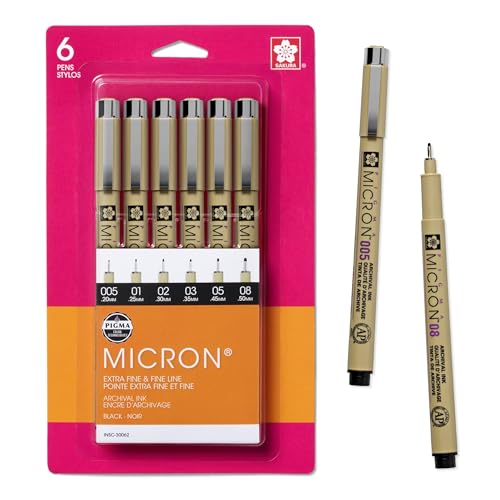
Pigma Microns are unmatched when precision is the priority, especially for writing on woven labels or thin, smooth-plied yarns. The archival pigment ink ensures that fine lines remain sharp even if the item is subjected to repeated handling.
These pens are best suited for structural components of knitting, such as adding notes to size tags or decorative stitching markers. Their consistent flow ensures that there is no pooling of ink, which is critical when working with high-twist, absorbent yarns.
Do not expect these to hold a sharp edge on fuzzy wool or mohair. The fibers act like a wick, drawing the ink away from the intended path; keep these for smooth, tightly woven surfaces.
Copic Multiliner SP: Top Refillable Option
The Copic Multiliner SP stands out because of its metal-bodied construction and replaceable ink cartridges. For the dedicated maker who plans to customize dozens of labels or fabric tags, this is the most cost-effective and sustainable long-term investment.
The pigment-based ink is compatible with Copic markers, allowing for seamless layering and shading without damaging the fabric surface. The metal tips are incredibly durable, resisting fraying even when dragged over slightly abrasive linen or hemp-blend fibers.
Refillable tools require a disciplined maintenance routine. If the ink is not replaced or the tip is not capped tightly, the specialized ink can dry out, making the refill system feel counterproductive to the casual user.
Sharpie Stained Fabric Markers: Easiest to Use

Sharpie Stained markers are formulated specifically for textiles, meaning the ink is designed to penetrate the fibers and set permanently without heat. This makes them a stress-free option for those who are nervous about permanent marking on expensive hand-dyed yarns.
They provide a bold, consistent flow that works well on everything from sturdy canvas bags to heavy wool outer layers. The broad tip is forgiving, making them the superior choice for freehand sketching or filling in large areas of color.
The trade-off for this ease of use is a lack of extreme fine-tip options. Detailed, intricate patterns are difficult to achieve, and the ink can occasionally feather if the fabric has a high pile or loose twist.
Tombow Fudenosuke Pens: For Expressive Line Work
The Fudenosuke features a flexible brush tip that responds to varying pressure, creating line weights that mimic hand-calligraphy. This is the go-to tool for makers wanting to add artistic flair or decorative signatures to their finished pieces.
Because the ink is water-resistant, it creates a subtle, elegant look on light-colored fibers like silk or merino-cotton blends. The responsiveness of the tip encourages a more organic, fluid design style that complements the drape of knit fabric.
Use this pen only on smooth, non-porous fabric surfaces to prevent the brush tip from catching on loose yarn strands. Rough textures will damage the delicate tip of the marker, leading to uneven ink distribution and a frayed aesthetic.
How to Choose the Right Marker For Your Fabric
The interaction between ink and fiber is the deciding factor in successful decorative work. As a general rule, the more texture a yarn has, the less detail the marker can support.
- For smooth, tight-twist cottons: Use fine-tip pigment pens for sharp, precise detail.
- For loose, high-loft wools: Opt for paint-based markers to provide a layer of coverage that avoids fiber-wicking.
- For synthetic blends: Test for bleeding on a swatch, as synthetic fibers may not absorb pigment as uniformly as natural proteins or plant-based fibers.
Always prioritize the surface texture. If the knitting has a high degree of “halo,” such as mohair or angora, markers will rarely produce clean lines. In these instances, paint or embroidery are superior choices to ink-based tools.
Prepping and Heat-Setting for Permanent Designs
Even the best markers benefit from proper surface preparation to ensure the ink bonds correctly. Before applying any ink, ensure the fabric is clean, dry, and free of any residual wool wash or lanolin, which can prevent the ink from adhering.
Heat-setting is the final, non-negotiable step for many permanent markers. While some markers claim to be permanent upon drying, running a dry iron over the back of the design—with a pressing cloth in between—fuses the pigment to the fibers.
Always check the manufacturer’s instructions regarding heat. Synthetic fibers, such as acrylic or nylon, have a low melting point and can be permanently damaged by excessive heat, regardless of how well it sets the ink.
Pigment Ink vs. Paint Markers: Key Differences
Understanding the chemistry of these tools clarifies their best use-cases. Pigment ink markers are generally thin, drying into the fiber and maintaining the fabric’s original hand or feel.
Paint markers use a binder that creates a thin, flexible layer on the surface. This is more durable and vibrant but will inevitably alter the tactile quality of the knit, making that area slightly firmer to the touch.
Choose pigment ink for subtle labeling or delicate details that should remain soft. Select paint markers for high-contrast designs on accessories like project totes, where the tactile change is less noticeable than it would be on a garment.
FAQs: Washing and Caring for Your Marked Items
The cardinal rule for marked knitwear is to treat the decorated area with extra caution. Even permanent markers are subject to the mechanical agitation of a washing machine, which will cause fading and friction damage.
- Hand wash only: Use cool water and a gentle, pH-neutral wool wash to minimize chemical degradation of the pigment.
- Avoid soaking: Long soaks can soften the binder in paint markers, making them prone to transfer or smudging.
- Air dry: High heat in a tumble dryer is the enemy of both fiber and ink; always lay items flat to dry away from direct sunlight.
If the piece must be machine washed, turn it inside out to shield the design from direct friction against the drum. Longevity is a combination of quality ink and gentle handling throughout the life of the knit.
Adding custom marks to knitwear is a wonderful way to express personality, but it requires matching the right tool to the project’s specific fibers. By understanding how ink interacts with your chosen yarn, you ensure your designs last as long as the knitting itself.