6 Best Printer Papers For Proofing Designs To Use
Looking for the best printer papers for proofing designs? Discover our top 6 professional-grade selections to ensure accurate color matching. Read the guide now.
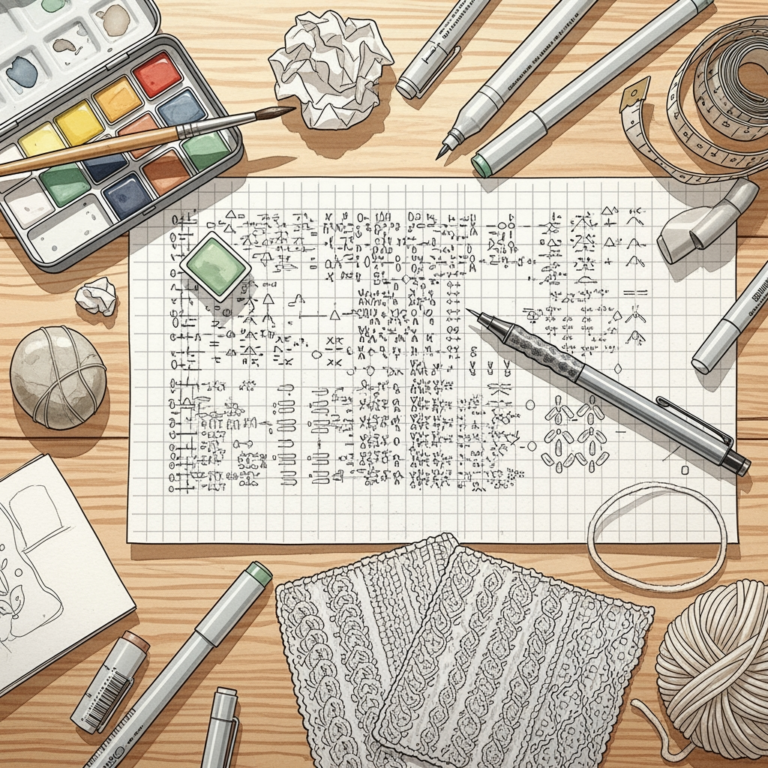
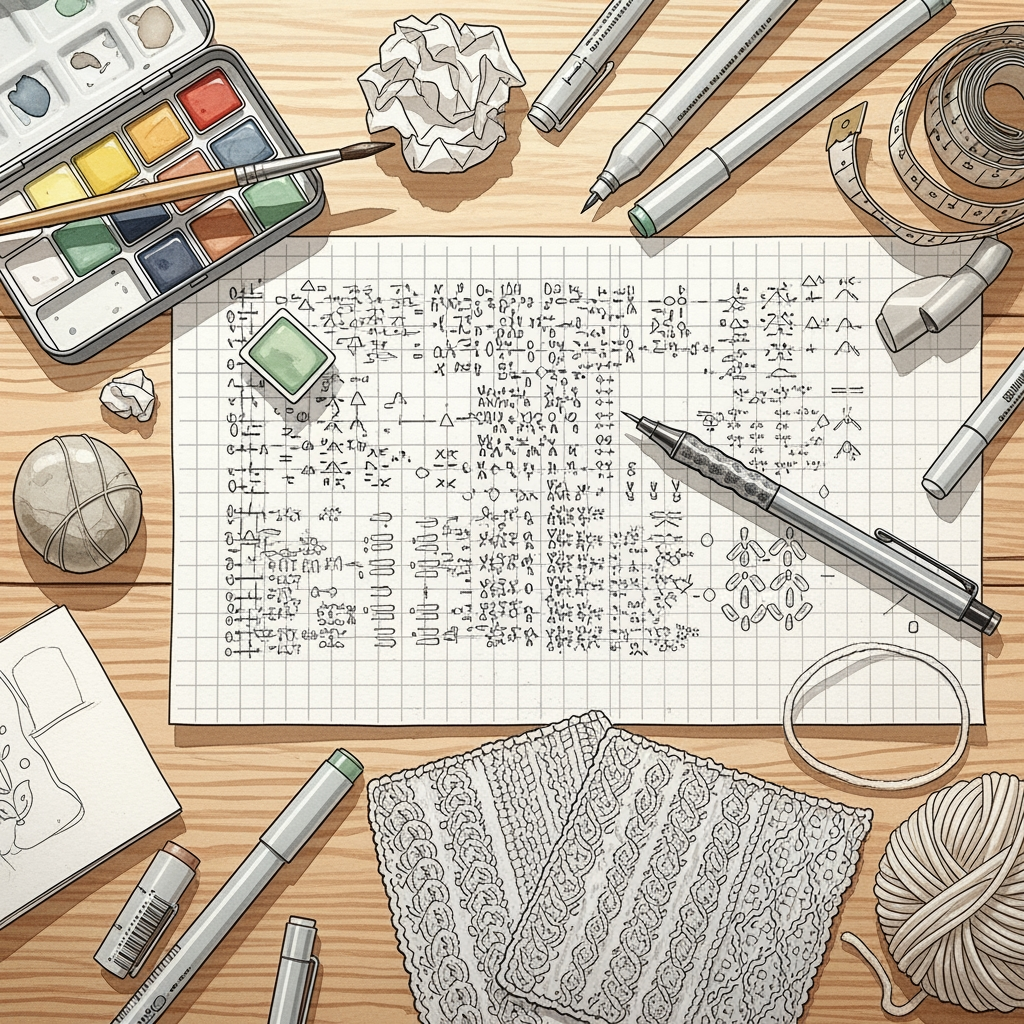
Nothing slows down a complex cabling session or a high-stakes lace project like a smudged, flimsy printout of a pattern. When knitting from a chart, the clarity of the lines and the tactile quality of the paper directly impact the flow of the work. Choosing the right printer paper is a small but critical investment that transforms a pile of loose sheets into a reliable, professional-grade reference tool. These six paper choices provide the perfect foundation for mapping out stitches and tracking progress without frustration.
HP Premium32 Paper: Best for Crisp, Clear Charts


This paper features a substantial 32lb weight and a remarkably smooth finish. It resists ink bleed, which is essential when printing dense, multi-colored stranded knitting charts where every pixel must be distinct.
Because the paper is exceptionally opaque, there is zero risk of the pattern on the back of the page distracting from the chart currently in use. This makes it ideal for double-sided pattern booklets that require a high-end, professional feel.
The primary trade-off is the thickness, which can make bulky binders feel even heavier. However, for a complex garment that requires constant referencing, the durability is worth the extra weight.
Hammermill 24lb Copy Paper: Top Everyday Choice
Standard 20lb office paper often suffers from “ghosting,” where ink bleeds through to the reverse side. Moving up to this 24lb option provides enough heft to prevent that issue while maintaining the flexibility of regular copy paper.
It is an excellent choice for test-knitting patterns or printing large, multi-page lace charts that will eventually be taped together. The slightly increased thickness holds up well to repeated folding and unfolding at the knitting chair.
Keep in mind that while this performs better than bottom-tier paper, it lacks the specialized coating found in photo-quality sheets. Use this for quick, utilitarian prints rather than long-term archival projects.
Epson Presentation Paper Matte: For Rich Colorwork
Colorwork patterns rely on subtle contrast between shades of yarn, and this matte-coated paper is designed to render those colors with high accuracy. The coating prevents ink from soaking into the fibers, which keeps lines sharp and edges defined.
When printing vibrant stranded colorwork charts, standard paper can dull the visual distinction between colors. This matte stock ensures that the print on the page matches the actual yarn palette, preventing confusion during long sessions of fair isle.
The specialized coating means this paper should only be used with inkjet printers. It is a premium choice best reserved for the final, permanent copy of a complex design.
Staples 28lb Bright White: Best Budget Upgrade
This paper hits a “sweet spot” for knitters who want a premium experience without the expense of specialty photo paper. Its 28lb weight provides a rigid, high-quality feel that stands up to highlighter marks and pencil scribbles.
The bright white finish creates excellent contrast for black-and-white cable charts. It is substantial enough to survive being tucked into a project bag alongside sharp needles and metal notions without tearing at the edges.
While it is noticeably better than standard copy paper, it lacks a high-end coating. It is the best all-around performer for knitters who want their printed patterns to last through multiple project cycles.
Sustainable Earth 20lb Copy: Eco-Friendly Pick
Knitting is a tactile, natural craft, and many makers prefer their paper choices to align with those values. This option is made from high-percentage recycled content, offering a more environmentally conscious path for printing long-form written patterns.
The 20lb weight is best suited for text-heavy instructions rather than dense, graphical charts. It is thin, lightweight, and easy to organize in large, multi-project binders.
Be aware that recycled paper can sometimes have a slightly textured, off-white appearance. This can make fine-lined charts harder to read, so save this paper for the narrative portions of your knitting patterns.
Red River Paper Polar Matte: Professional Proofing
If a pattern is intended to become a permanent part of a library, this professional-grade matte paper is the gold standard. It offers a smooth surface that feels sophisticated and handles high-resolution printing perfectly.
The weight and texture provide a tactile experience similar to professional knitting books. It is resistant to smudging, meaning that even if hands are slightly damp from working with natural fibers like cotton or linen, the ink will stay firmly on the page.
Because this paper is heavier and more expensive, it is not for daily, disposable printing. It is the ideal choice for printing a pattern that will be kept as a reference for years to come.
How to Choose Paper for Your Knitting Patterns
When selecting paper, match the weight and finish to the intensity of the pattern. Written-only instructions function perfectly well on lighter, eco-friendly stocks that are easy to fold and store.
Conversely, charts with 30-plus stitches per inch or intricate lace sequences demand heavier, high-contrast paper. A dense chart on thin, greyish recycled paper will lead to eye strain during late-night knitting sessions.
Consider the environment in which the knitting happens. If the project bag is often packed with raw wool or metal needles, opt for a higher weight that resists accidental punctures and tears.
Paper Weight and Brightness: What Matters Most?
Paper weight is measured in pounds, and for knitting purposes, anything above 24lb is superior for longevity. Heavier paper stays flatter on a lap or a magnetic pattern keeper, which is crucial for maintaining focus on the row in progress.
Brightness refers to how much light the paper reflects. A higher brightness rating creates a sharper contrast between the ink and the background, which is non-negotiable for reading small-text charts or complex symbol keys.
Do not overlook the opacity of the sheet. If a chart is printed on both sides, a low-opacity paper will cause the design on the back to show through, creating a “busy” background that makes counting stitches much more difficult.
Printing Tips for Perfect, Readable Knit Charts
Always ensure your printer settings are adjusted to “High Quality” or “Best” when printing charts. Standard draft modes often conserve ink by creating dotted lines, which can obscure symbols and lead to errors in stitch counts.
If a pattern uses a specific color coding system, print a test page first to ensure the colors appear distinct. If colors look too similar, adjust the printer settings to increase contrast or use a high-quality matte paper that holds ink better.
For complex lace or cabling, consider printing the chart at a larger scale if the page size allows. Adding extra white space around the edges provides room for notes regarding needle changes, row repeats, or gauge adjustments.
Organizing Your Printed Patterns for Easy Access
A binder with clear plastic sleeves is the most effective way to protect printed patterns from accidental spills or friction. This method allows you to use dry-erase markers directly on the sleeve to track progress without marking the paper.
If you prefer a lighter setup, a simple clipboard with a magnetic strip works wonders for holding a single chart in place. Keep a dedicated folder for each project, storing the pattern alongside a scrap piece of the yarn being used for easy shade reference.
Regularly cull your binder to keep only the patterns currently in rotation. Storing a year’s worth of printed patterns creates unnecessary bulk; archive finished patterns digitally to keep your physical workspace clutter-free.
Investing a few extra minutes in selecting the right paper and organizing your printed patterns can significantly improve the knitting experience. A clear, high-quality reference reduces the likelihood of errors and allows you to focus on the joy of the craft rather than deciphering smudged ink. Choose the paper that suits your specific project, and enjoy the confidence that comes with having a truly readable guide by your side.