6 Best Hobby Workbenches For Dedicated Space Options
Upgrade your workspace with our top 6 hobby workbenches. Explore durable, space-saving options designed for your projects and find your perfect fit today.
A dedicated crafting space transforms the knitting experience from a cramped lap-bound chore into a professional-grade creative practice. Whether managing complex stranded colorwork or blocking delicate lace shawls, having the right surface dictates posture, organization, and project success. This guide evaluates six distinct workbench options to help creators find the foundation their fiber art deserves. The transition to a formal workspace allows for consistent tension, proper lighting, and the storage necessary for a growing yarn stash.
Gladiator Adjustable Workbench: Most Versatile


The Gladiator Adjustable Workbench offers a level of height customization that is indispensable for long-duration knitting. When working on intricate cable projects for hours, the ability to shift the desk height prevents the neck strain often caused by slouching over needles.
This model features a heavy-duty steel frame that provides rock-solid stability, ensuring the surface remains immobile even during vigorous blocking or heavy sewing machine use. The adjustable legs accommodate varying chair heights, allowing for a neutral spine position regardless of the stool or task chair in use.
However, the industrial aesthetic may not suit every home interior. It remains a utilitarian piece that prioritizes function over form, making it better suited for a dedicated studio or basement craft room.
Seville Classics UltraHD: Best All-In-One Setup
For the knitter who requires immediate access to every tool, the Seville Classics UltraHD provides an integrated system that eliminates the need for separate shelving. It combines a solid wood surface with built-in drawers and side cabinets, perfect for stowing stitch markers, gauges, and spare needle sets.
The inclusion of lockable drawers is a significant advantage for those with pets or curious toddlers. Keeping expensive bamboo or carbon fiber needles protected from damage or misplacement ensures the longevity of your favorite tools.
The tradeoff here is weight and footprint. Because it is a robust, heavy unit, once placed in a room, it is rarely moved; ensure the chosen location is permanent before assembly.
Husky Height-Adjustable Workbench: Top Sturdiness
The Husky Height-Adjustable Workbench is designed for those who put their furniture to the test through heavy-duty crafting tasks. If the workspace is used for both knitting and more physical activities like yarn spinning or dyeing, the reinforced construction of this table provides unparalleled durability.
Its height-adjustment mechanism is smooth and intuitive, allowing for quick transitions between standing and sitting. This is particularly helpful when checking the drape of a garment against a full-length mirror while standing, then returning to the desk for detailed finishing work.
Be mindful that the surface material is typically heavy-duty steel or particleboard. It may require a secondary cutting mat or a soft felt pad to protect your work from snags when knitting with delicate lace-weight silk or mohair blends.
Keter Folding Work Table: Best Flexible Option
A folding table is the ultimate solution for knitters working in shared spaces or smaller apartments. The Keter Folding Work Table deploys in seconds and provides a surprisingly sturdy surface for flat-laying garments during the blocking process.
When the project is finished, the table collapses into a thin profile that tucks away easily behind a door or inside a closet. It removes the necessity of a permanent desk, allowing a dining room or guest bedroom to serve dual purposes without clutter.
The caveat is a lack of integrated storage. You will need to pair this with rolling carts or specialized storage bins to keep your yarn and notions accessible while you work.
Fleximounts Wall-Mounted Desk: Best for Small Rooms
The Fleximounts Wall-Mounted Desk is a masterpiece of space optimization, utilizing vertical wall space to create a dedicated knitting nook. By eliminating the need for traditional table legs, it provides extra room for your legs and feet, which is vital for maintaining proper blood circulation during long knitting sessions.
This setup is ideal for those who prefer to stand while knitting or who need to clear floor space when not actively working on a project. Its minimalist profile keeps the room feeling airy, preventing the “yarn dungeon” effect that often happens when a space is packed with heavy furniture.
Consider the wall material during installation, as this desk requires a secure mount to hold the weight of your equipment. It is a permanent fixture, so select the wall location with careful attention to natural light sources.
IKEA LINNMON / ADILS Table: Best for Custom Budgets
The IKEA LINNMON / ADILS combination is the favorite of many creators because it allows for a custom-sized workspace at a entry-level price point. Its lightweight construction makes it easy to assemble and rearrange if your crafting needs evolve over time.
For the budget-conscious, this provides a clean, neutral surface that won’t distract from the vibrant colors of your yarn stash. It is the perfect blank canvas for organizing your supplies exactly how you like them, rather than being forced into a pre-defined drawer layout.
Because the surface is relatively lightweight, it may have a slight wobble if you have a very aggressive knitting style or use heavy equipment. Adding a wall anchor or a heavy rug underneath can improve stability significantly.
How to Pick the Right Workbench Surface Material
The surface of a workbench is the primary interface between the knitter and the project. For delicate yarns like alpaca or cashmere, a smooth, snag-free surface is non-negotiable to prevent fiber damage.
Avoid surfaces with deep, textured grains that can catch on yarn or cause stitches to pop off if they land on the desk. Solid-core wood, high-pressure laminate, or tempered glass are ideal, provided they are kept clean and free of abrasive debris.
If the work surface is naturally cold or hard, consider a dedicated high-quality felt mat or a large cotton desk pad. This adds a layer of protection for the yarn and provides a warmer, more ergonomic surface for your forearms to rest on while you knit.
Key Features for a Knitter’s Dream Workbench
A perfect knitting workbench centers on three critical features: lighting, height, and surface integrity. Adequate task lighting—ideally with a high Color Rendering Index (CRI)—is essential to distinguish between subtle color shifts in variegated hand-dyed yarns.
Look for a desk that allows for an ergonomic posture, with your feet flat on the floor and your elbows resting at a 90-degree angle. This position minimizes the tension in the trapezius muscles, which is common after long hours of repetitive motion.
Lastly, prioritize a surface that is wide enough to hold a project bag, a pattern holder, and a bowl for your yarn cakes. A cluttered desk leads to tangled yarn, and a tangled yarn stash is the enemy of productivity.
Setting Up Your Workspace for Peak Ergonomics
Ergonomics in knitting is not just about the needles; it is about the entire physical environment. Positioning the workbench near a natural light source reduces eye strain, which is vital when working with dark-colored wool or fine-gauge yarns that hide stitch definition.
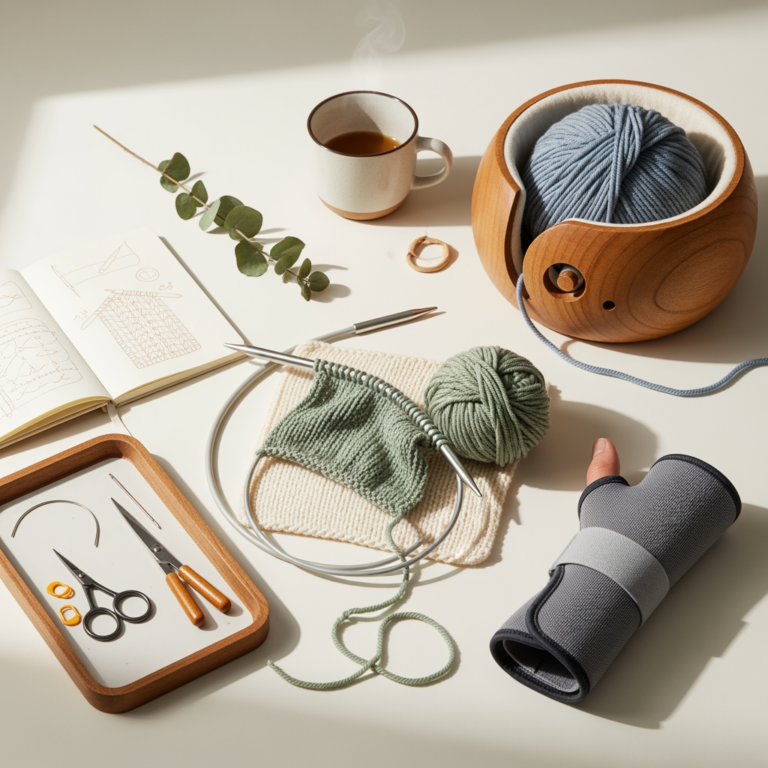
Incorporate a chair with adjustable lumbar support to maintain the natural curve of your lower back. If you are prone to wrist fatigue, ensure your workbench height allows your forearms to rest comfortably on the table rather than hovering, which strains the tendons in your hands.
Taking regular breaks is just as important as the equipment you choose. Every 45 minutes, stand up and perform gentle stretches to prevent the stiffening of fingers, wrists, and shoulders.
Smart Storage Solutions for Your New Craft Area
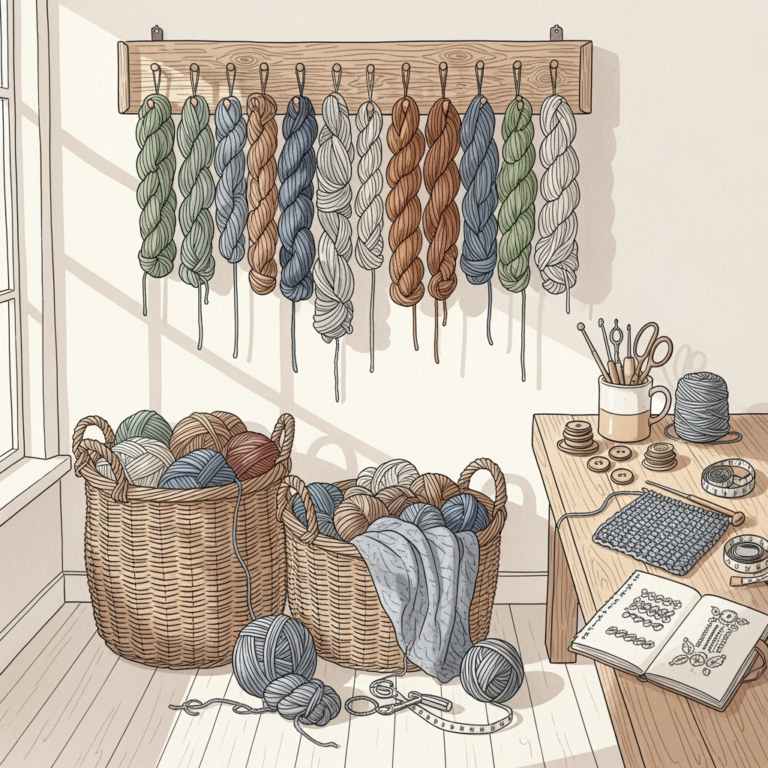
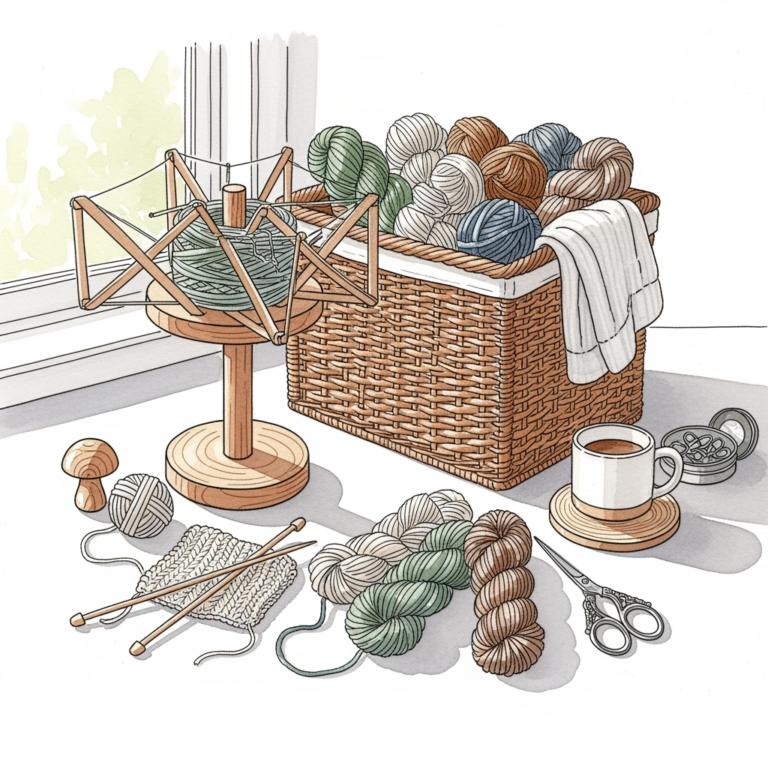
Once the workbench is in place, the organization becomes the next priority for efficient crafting. Utilize clear, stackable bins for yarn stash storage, categorized by weight or fiber type, to keep colors visible and accessible.
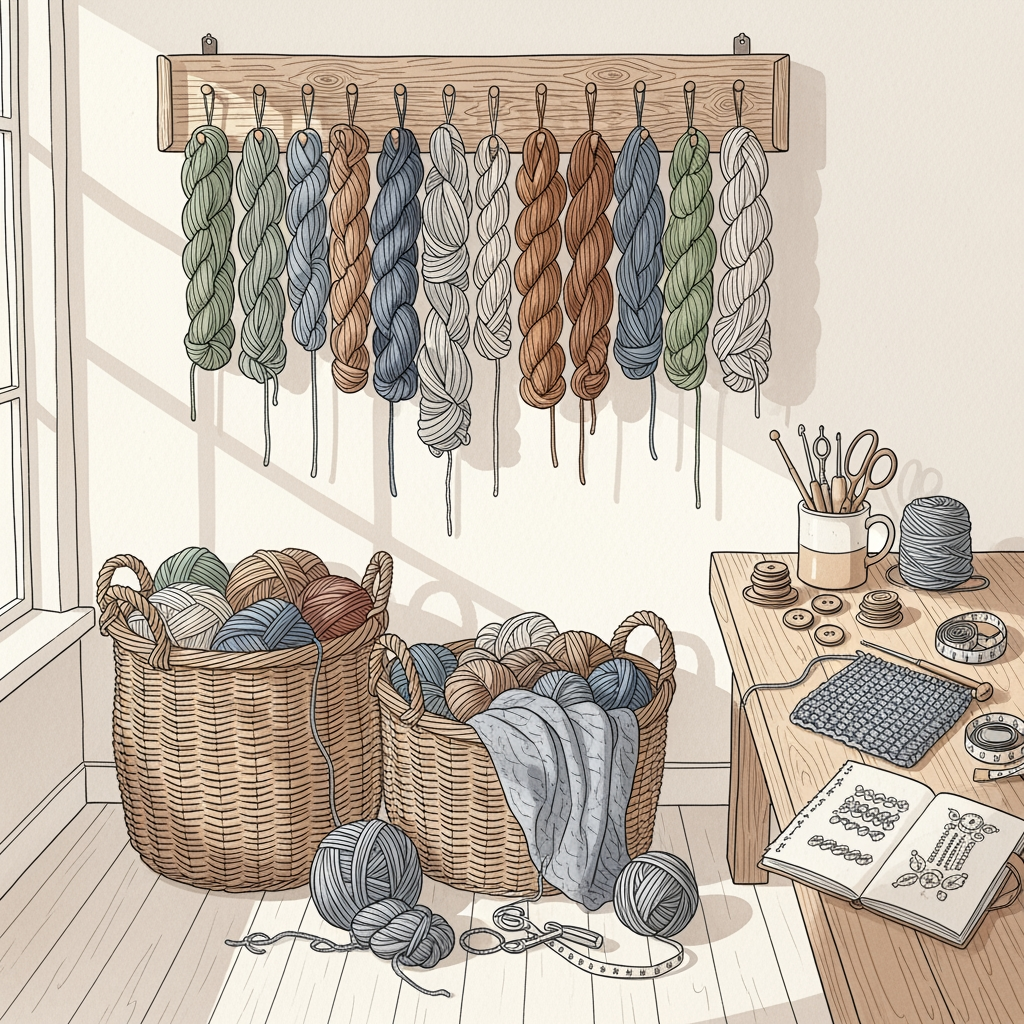
Pegboards are a game-changer for mounting knitting notions, from interchangeable needle sets to specialized cables and stitch counters. By keeping these tools off the desk surface, you maximize your workspace for the project currently on your needles.
Vertical storage is the secret to a professional setup. Use rolling carts for “in-progress” projects, allowing you to move your current knitting from the workbench to a comfy chair seamlessly without disturbing your supplies.
Choosing the right workbench is an investment in your creativity, providing the physical support needed to elevate your fiber arts from a casual pastime to a refined, sustainable practice. By prioritizing the balance between surface quality, ergonomic positioning, and accessible storage, you create an environment where projects can flourish without the fatigue of improper posture or tool mismanagement. With the right foundation in place, the focus can shift entirely back to the rhythm of the needles and the joy of the craft.