7 Best Cuticle Softeners For Easier Grooming
Struggling with dry, ragged edges? Discover our top 7 cuticle softeners to simplify your nail care routine. Read our expert guide and shop your best pick now.
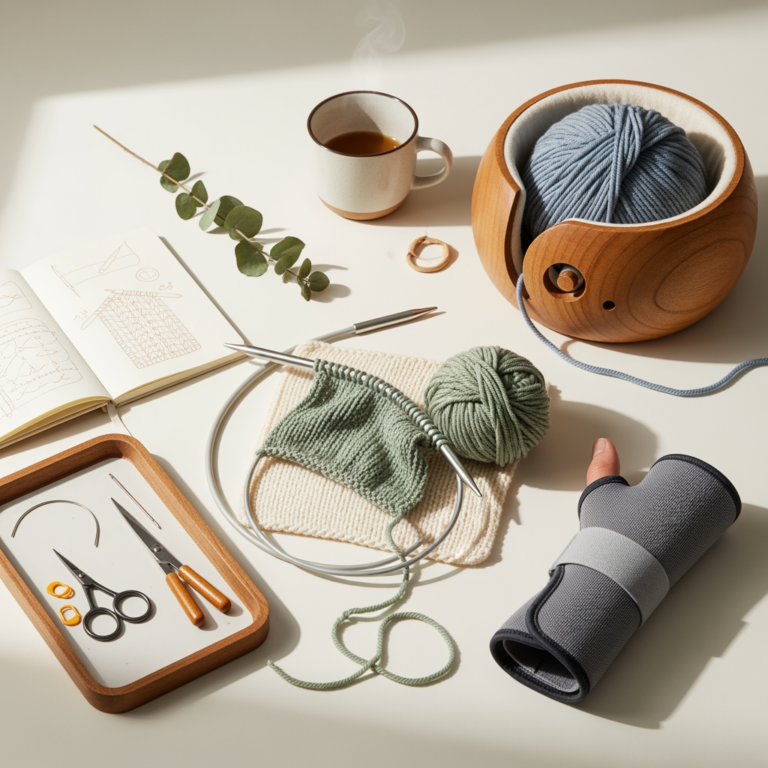
Frequent knitting sessions, particularly when working with dry, high-twist wool yarns, can quickly wreak havoc on the skin around your fingertips. Rough, snaggy cuticles do more than just cause discomfort; they can actually catch on delicate fibers and cause unwanted friction during complex lace work. Maintaining supple, healthy cuticles ensures smooth yarn movement and prevents the frustration of snagging your work mid-stitch. Investing in a quality softener is as essential to a maker’s toolkit as a reliable set of circular needles or a sharp pair of snips.
Sally Hansen Remover: Best for Quick Results


When a project deadline looms and the hands need an immediate refresh, this fast-acting formula serves as the standard. It is designed to dissolve stubborn skin in under a minute, making it ideal for the knitter who values efficiency over a drawn-out spa ritual.
The key benefit here is speed. Because it acts rapidly, it is perfect for prep work right before a long weekend of heavy stranded colorwork or complex cabling. Just be cautious: its potency means it should not be left on the skin for extended periods to avoid irritation.
CND Cuticle Eraser: Best Gentle Exfoliator
This product functions more like a light chemical exfoliant than a traditional heavy softener. It uses alpha-hydroxy acids to gently loosen dead skin cells, which is perfect for those who find mechanical pushing or nipping too harsh.
For knitters working with delicate, high-fiber-content yarns like silk or alpaca, keeping the skin smooth is paramount. A rough cuticle can snag these fibers, creating unsightly pills or causing the yarn to split while on the needle. This eraser keeps the skin conditioned without leaving a greasy film that might transfer to your project.
Blue Cross Remover: Pro-Strength Favorite
This classic, liquid-based formula has earned a reputation for being a heavy-duty solution for severely dry, cracked skin. It is exceptionally effective at breaking down thick calluses that often form on the fingers of knitters who maintain a very tight gauge.
Because it is quite thin, it penetrates deep into the cuticle area quickly. It is an excellent choice for those who prioritize a clean, professional finish but want to avoid the mess of thick, gloopy creams. Use it sparingly, as a little goes a long way toward achieving that clean-groomed look.
Burt’s Bees Cream: Best Natural Softener
For makers who are wary of harsh chemicals, this beeswax-based balm is a reliable, moisturizing alternative. It relies on natural oils to soften the skin rather than aggressive agents that dissolve dead tissue.
This is the preferred choice for those who knit with sensitive, natural fibers like plant-based cottons or linens. Since it is thicker and more emollient, it provides a protective barrier that prevents further cracking during long hours of repetitive motion. Apply it right before setting down your needles to let it soak in fully.
Deborah Lippmann: The Ultimate Luxury Splurge
Luxury often implies high-performance ingredients, and this cuticle treatment delivers on that promise with a rich, buttery texture. It is formulated to deeply hydrate, which is beneficial after spending days working with drying acrylic or wool-blend yarns that strip moisture from the fingertips.
While the price point is higher, the quality of the conditioning agents makes it a worthwhile investment for the prolific knitter. If your hands often feel tight or “flaky” after a long session of knitting, this provides the intensive moisture recovery needed to return to the needles with supple skin.
OPI ProSpa Cream: Best for Very Dry Hands
When hands are truly parched from constant contact with fibers, a standard oil isn’t always enough to restore hydration. This cream is formulated with sophisticated skincare ingredients that mimic the moisture levels of healthy, young skin.
It absorbs quickly, which is critical for those who want to jump right back into their knitting project without leaving greasy residue on their needles or yarn. For anyone knitting in low-humidity environments or working with moisture-wicking wools, this provides a necessary, deep-tissue hydration boost.
Essie Apricot Oil: Best for Daily Nourishing
Daily maintenance is the secret to preventing the sort of hangnails that catch on fine-weight yarns. This apricot oil is lightweight and absorbs into the cuticle with minimal effort, making it the perfect “after-cast-on” ritual.
It provides a necessary layer of protection without making the fingers slippery. If you find your needles sliding too much while you knit, apply this oil and allow it to fully absorb for at least ten minutes before picking up your work. It keeps the skin elastic, reducing the risk of splitting and cracking during intensive projects.
Why Cuticle Care Matters for Knitters & Makers
Snagging is the enemy of fine knitting, and dry, ragged cuticles are the most common culprit. Even a microscopic tear in the skin can snag a strand of cashmere or luxury alpaca, leading to pulled stitches and damaged yarn.
- Prevents Snagging: Smooth skin allows yarn to glide effortlessly over your fingers.
- Improves Tension: Comfortable, pain-free fingers help maintain consistent tension throughout a project.
- Healthier Skin: Regular hydration prevents the deep cracks that can make holding small-gauge needles painful.
Maintaining healthy hands is a fundamental aspect of sustainable crafting. When your skin is in top condition, you can focus entirely on your rhythm, your stitch pattern, and your color transitions.
How to Use a Cuticle Softener Without Damage
Moderation is the key to cuticle health, as over-exfoliation can lead to redness and sensitivity. Apply a small amount of your chosen softener to the cuticle bed and massage it in using circular motions to increase local blood flow.
Always use a soft, plastic-coated pusher or an orange stick to gently nudge back excess skin after it has been softened. Avoid using metal tools aggressively, as they can cause micro-tears that invite infection. Once finished, rinse away any residual product to ensure your skin is clean before picking up your fiber.
Cream, Gel, or Oil: Choosing Your Softener
The choice between formulas often comes down to your personal knitting environment and how much time you have for prep. Creams and balms are generally more occlusive, making them better for “resetting” dry skin overnight or during long breaks.
Oils are perfect for quick, daily maintenance because they absorb rapidly and leave the skin feeling supple, not greasy. Gels and liquid removers are high-intensity tools meant for deep cleaning and should be reserved for your weekly grooming routine rather than daily use. Match your product to your project’s needs, and your hands will thank you through every row.
Proper cuticle care is a small but vital part of the knitting experience that keeps your hands healthy and your project pristine. By selecting the right tools and establishing a consistent routine, you ensure that your focus remains on the beauty of your work rather than the condition of your fingertips. Consistent hydration and gentle maintenance will always outperform quick fixes in the long run. Embrace these practices, and enjoy the smooth sailing that comes with well-cared-for hands.