6 Best Acid Neutralizers For Waste Disposal Options
Safely manage laboratory runoff with our guide to the 6 best acid neutralizers for waste disposal. Read our expert reviews and choose the right solution today.
Acid dyeing unlocks a vibrant world of color, but responsible studio management requires proper waste disposal to protect plumbing and the environment. Spent dye baths are typically acidic, meaning they must be neutralized before being poured down the drain. Choosing the right agent ensures that the chemical reaction is complete without damaging delicate fiber remnants or hardware. The following selection of neutralizers offers reliable options for every scale of fiber art production.
Jacquard Soda Ash Dye Fixer: Best Overall
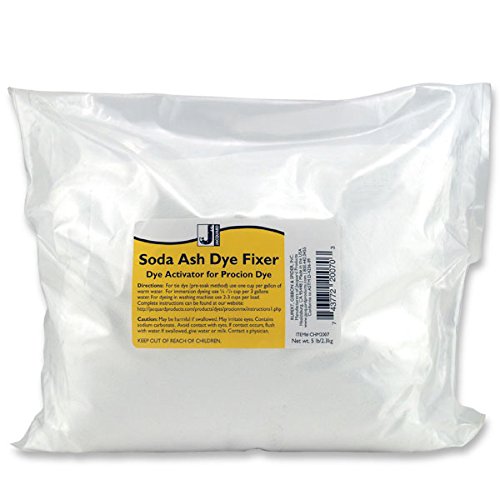

This is the industry standard for a reason, balancing chemical potency with ease of use. It functions primarily as a pH raiser, making it an essential component for both setting fiber-reactive dyes and neutralizing spent acid dyes.
Because it is highly concentrated, a small amount goes a long way. It is perfect for those who dye a few skeins of wool or silk at a time and want a reliable, predictable result every single time.
Avoid over-dosing, as the high alkalinity can affect the hand of fine protein fibers if not handled correctly. Measure carefully to ensure the pH moves toward neutral without becoming caustic.
Arm & Hammer Baking Soda: Easiest to Source
Baking soda is a mild alkali, making it the safest choice for the casual dyer working in a home kitchen. It is readily available, inexpensive, and gentle enough that it won’t cause immediate damage if spilled on a workspace.
While it lacks the punch of heavy-duty soda ash, it is perfectly sufficient for small-batch neutralizing of mildly acidic waste. It is ideal for those who only dye occasionally or are working with minimal quantities of acid dye.
Do not expect the same efficiency as professional-grade chemicals when handling high-volume dye sessions. If the bath remains acidic after one addition, add more gradually until the testing strip confirms the target pH.
Dharma Soda Ash: Best for Bulk Dyeing
When the studio transitions from single-skein projects to large-scale immersion dyeing, consistency becomes the priority. Dharma Soda Ash is a high-purity product designed for professional results and bulk efficiency.
Large-scale dyers appreciate the stability of this product, which prevents the pH fluctuations that can occur with lower-grade alternatives. It integrates seamlessly into high-volume workflows where waste disposal is a regular part of the cleanup process.
The higher alkalinity means that storage is a concern; keep it in a cool, dry place to prevent clumping. Use gloves whenever handling the raw powder to avoid irritation, regardless of the scale of the dyeing project.
ProChem Pro-Fix Soda Ash: Pro Dyer’s Choice
ProChem products are engineered for the specific requirements of textile artists who demand professional-grade control. This soda ash is refined to dissolve quickly, minimizing the time spent stirring the neutralizer into the waste bath.
For those who regularly work with complex color gradients or long-staple fibers, this product provides the necessary precision. It minimizes the risk of sudden pH spikes that can interfere with the final integrity of the fiber, especially when reusing water.
Take note that professional-grade products often have higher active ingredient concentrations than hobby-store alternatives. Always use a testing strip to verify the final pH, as the reactivity will be faster than expected.
Earth-Friendly Neutralizer Kit: Safest for Septic
Septic systems require a careful balance of bacteria that can be easily disrupted by harsh chemical disposal. This kit is formulated to bring waste water to a neutral level without introducing heavy synthetic residues.
If the dye studio is located in a rural area or a home with a sensitive septic setup, this is the most prudent choice. It prioritizes environmental safety while still effectively bringing acidic waste back to a drain-safe pH level.
Be aware that these kits are often more expensive per treatment than bulk soda ash. However, the cost is a worthwhile investment for the peace of mind regarding the health of a home’s waste management system.
G&S Dye Sodium Bicarbonate: Gentle on Fibers
Sodium bicarbonate is the preferred choice when there is a risk of accidental splashes on finished, dyed yarn. While soda ash is aggressive, this gentle alternative provides enough buffering power to neutralize the acid without being overly caustic.
It is particularly useful for dyers who work in tight spaces where dye baths might be near finished lace shawls or delicate hand-knits. Even if a small amount of the neutralizer solution contacts the fiber, the impact on color fastness is significantly lower.
While it is slower acting than soda ash, the safety margin it provides is invaluable. Treat it as a secondary, safer buffer for those who prefer to prioritize fiber preservation over rapid waste disposal.
How to Safely Neutralize Your Acid Dye Waste
Neutralizing dye waste is about patience and precision, not speed. Start by allowing the dye bath to cool completely, as heat can accelerate unintended chemical reactions.
Add the neutralizing agent in small, incremental amounts while stirring the liquid thoroughly. Do not dump the entire dose at once; wait a few minutes for the chemical to disperse and react before taking another pH reading.
Ensure that you have proper ventilation in the room. Once the liquid reaches a pH of 7, it is generally considered safe for standard household disposal, but always check local municipal regulations for specific requirements.
Soda Ash vs. Baking Soda: Which Should You Use?
Soda ash is technically sodium carbonate and is much stronger than baking soda, which is sodium bicarbonate. Use soda ash for heavy-duty neutralizing or when processing large volumes of waste where efficiency is paramount.
Use baking soda when you are a hobby dyer or when working near finished goods that could be damaged by high pH solutions. Baking soda provides a “soft” neutralization that is harder to mess up, but it requires larger quantities to achieve the same effect as soda ash.
The choice ultimately depends on the volume of the waste and the sensitivity of the surrounding environment. For most home dyers, keeping both on hand is the most professional approach.
What to Look For in an Acid Neutralizer Kit
A quality kit should include clear instructions, a reliable supply of pH testing strips, and a measuring scoop. The accuracy of the test strips is more important than the brand of the neutralizer itself, as they are the only way to confirm a safe disposal level.
Look for non-clumping formulas if the studio environment is humid. Humidity can turn bulk soda ash into a solid brick, making it difficult to measure correctly and potentially leading to inaccurate dosing.
Avoid kits that come with unnecessary additives or proprietary dyes. The goal is simple chemistry: neutralizing acid waste without introducing additional pollutants into the water supply.
Testing Your Dye Bath’s pH: A Quick Guide
Testing is the only way to avoid guesswork. Use standard pH test strips that have a clear color-coded chart, ensuring you can read results in the 5 to 9 range with high accuracy.
Dip the strip into the bath after the neutralizer has been fully dissolved and the liquid has rested for at least two minutes. Compare the color immediately, as some strips will continue to change if left exposed to the air for too long.
Remember that a neutral pH of 7 is the target, but anywhere between 6 and 8 is usually acceptable for standard plumbing. If the reading is lower than 6, continue adding the neutralizer in very small increments until the target is reached.
Properly neutralizing your acid dye waste is a hallmark of a thoughtful and professional maker. By integrating these practices into your workflow, you ensure your craft remains sustainable for both your local environment and the fibers you love. Consistent testing and careful handling will keep your studio running smoothly for years to come.