6 Best Velvet Fabrics For Doll Capes To Elevate Designs
Discover the 6 best velvet fabrics for doll capes to enhance your sewing projects. Choose the perfect material for your designs and start crafting today.
Selecting the perfect velvet for a doll cape is much like choosing the right yarn weight for a lace shawl; the fabric must harmonize with the scale of the project to achieve a professional finish. While a heavy, plush textile might look opulent on a full-sized garment, it can easily overwhelm a miniature doll, leading to bulky seams and stiff, unnatural movement. Understanding how these fabrics drape and respond to the needle is essential for any maker looking to elevate their doll couture. By balancing texture, weight, and ease of handling, the right velvet can transform a simple pattern into a masterpiece.
Stretch Velvet: Best for a Sleek, Modern Fit


Stretch velvet contains a small percentage of spandex, providing a degree of give that makes fitting doll patterns significantly easier. Because it accommodates slight variations in seam placement, it is the most forgiving choice for beginners who are still mastering the nuances of doll-scale tailoring.
This fabric clings to the doll’s frame, creating a modern, streamlined silhouette. It does not bunch or gap at the shoulders, which is a common frustration when working with rigid, non-stretch materials on small-scale forms.
Be aware that the synthetic nature of stretch velvet can make it prone to shifting under the presser foot. Use a ballpoint needle to prevent snagging the delicate knit backing, ensuring the seams remain flat and secure.
Crushed Panne Velvet: For Magical, Iridescent Shine
Crushed panne velvet is characterized by its high-sheen, textured surface, created by pressing the pile in multiple directions. It catches the light beautifully, making it a perfect choice for fantasy-themed doll capes or theatrical costumes where impact is the primary goal.
Unlike traditional velvet, panne is typically thinner and possesses a fluid, lightweight hand. This allows it to gather well at a neckline without adding unnecessary bulk, which is critical when working with delicate doll proportions.
While it is visually striking, the fabric can be slippery to cut and sew. Precise pinning is mandatory, as even a minor deviation can cause the iridescent pattern to look misaligned across the finished garment.
Cotton Velveteen: Ideal for Structured, Regal Capes
Cotton velveteen offers a matte finish and a substantial weight that mimics the appearance of fine, antique wool or heavy silk. It holds its shape exceptionally well, making it the superior choice for structured cape designs that require crisp, sharp edges.
This fabric lacks the dramatic sheen of synthetic alternatives, providing an understated elegance that fits perfectly into historical or formal doll wardrobes. It is less prone to shifting than slippery polyesters, making it a reliable choice for achieving straight, clean hem lines.
The primary trade-off is the thickness of the pile. Avoid using velveteen on extremely small dolls, as the fabric may appear out of scale and hinder the ability to create small, refined pleats or gathers.
Micro Velvet: Ultimate Luxury in a Miniature Scale
Micro velvet features an incredibly dense, short pile that mimics the look of high-end upholstery fabric. It is the gold standard for miniature tailoring, as the fine grain allows for precise cutting and minimal fraying at the edges.
The tight weave means the fabric maintains a rich, deep color even when light hits the surface, providing a sophisticated backdrop for intricate embroidery or beadwork. It drapes naturally, responding well to gravity in a way that feels proportional for dolls of various sizes.
Because of its density, it can be slightly heavier than other options. Factor this into the design of the cape’s closure to ensure the weight of the fabric does not pull the garment backward or strain the doll’s neck area.
Silk/Rayon Velvet: For Unmatched Drape and Softness
Silk-backed velvet is the pinnacle of luxury, offering a drape that is impossible to replicate with synthetic blends. It moves with the doll like a second skin, creating elegant, soft folds that look incredibly realistic in photographs.
This fabric is notoriously difficult to handle due to its extreme fluidity and propensity to “creep” while sewing. It requires patience and the use of basting stitches to hold the layers together, as pinning alone is often insufficient to prevent shifting.
Treat this material as a premium choice for display-only dolls or high-end collectors’ pieces. It is less durable for frequent handling, but the aesthetic payoff is unparalleled for projects where authenticity and softness are paramount.
Flocked Velvet: Adds Texture and Intricate Pattern
Flocked velvet is not a true velvet pile but rather a pattern applied to a base fabric using adhesive and fibers. This allows for complex, damask-like designs on a much thinner, more manageable substrate.
This is a fantastic option for adding visual interest to a plain cape without adding the bulk of a heavy fabric. It provides the decorative flair of an elaborate weave while keeping the overall garment lightweight and easy to pose.
Always check the durability of the flocking before purchase. Some lower-quality versions may lose fibers over time, particularly around high-friction areas like the armholes or collar, so consider sealing the edges with a fray-check product.
Choosing Velvet: Matching Fabric to Doll Scale
Selecting the right weight for a doll’s size is a matter of visual proportionality. A 1/3 scale doll can support the weight of a heavy velveteen, but a 1/6 scale fashion doll will look swamped by the same fabric.
- 1/12 Scale: Stick to micro velvets or fine, thin flocked fabrics to avoid a “heavy” look.
- 1/6 Scale: Versatile enough for stretch velvet or lightweight panne.
- 1/4 to 1/3 Scale: Can handle the structure of cotton velveteen or even short-pile traditional velvets.
Always drape a scrap of the fabric over the doll’s shoulder to test the scale before cutting into the yardage. If the fabric ripples or refuses to lay flat, it is likely too heavy for that particular doll size.
Velvet Weight vs. Drape: What’s Best for Capes?
The relationship between weight and drape is the most important factor in cape construction. A heavy, stiff velvet will create a bell-like, royal shape, while a lightweight, silky velvet will cling and flow.
Choose your fabric based on the desired character aesthetic. If the goal is a dramatic, wind-swept look, prioritize drape; if the goal is a stiff, ceremonial cape, prioritize structure.
Remember that velvet pile has a “nap”—a direction in which the fibers lie. Always cut all cape panels in the same direction to ensure the color remains consistent; otherwise, the cape will look patchy, with some sections appearing lighter than others.
Key Tips for Sewing Velvet Without It Slipping
Sewing velvet requires a departure from standard sewing techniques to manage its unique, slippery nature. The most effective tool is a walking foot, which feeds the layers of fabric through the machine evenly and prevents the bottom layer from pulling away.
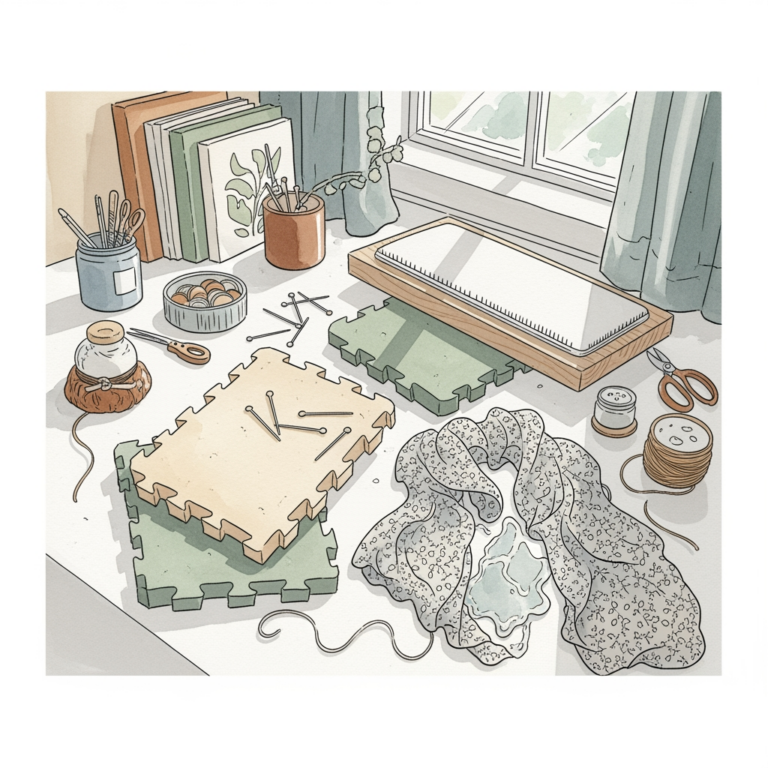
Utilize plenty of pins, or better yet, use sewing clips to avoid leaving permanent indentations in the pile. If the fabric remains stubborn, a layer of tissue paper placed between the fabric and the feed dogs can provide the necessary grip for a straight seam.
For very delicate silks, consider hand-basting the seams before taking the project to the sewing machine. This extra step ensures total control and prevents the dreaded “shifting” that ruins the alignment of complex patterns.
How to Add Clasps and Closures to Doll Capes
The closure is the finishing touch that dictates how well the cape rests on the doll’s shoulders. Hook-and-eye closures are the industry standard for dolls because they are low-profile and secure enough to handle the stress of putting on and taking off the garment.
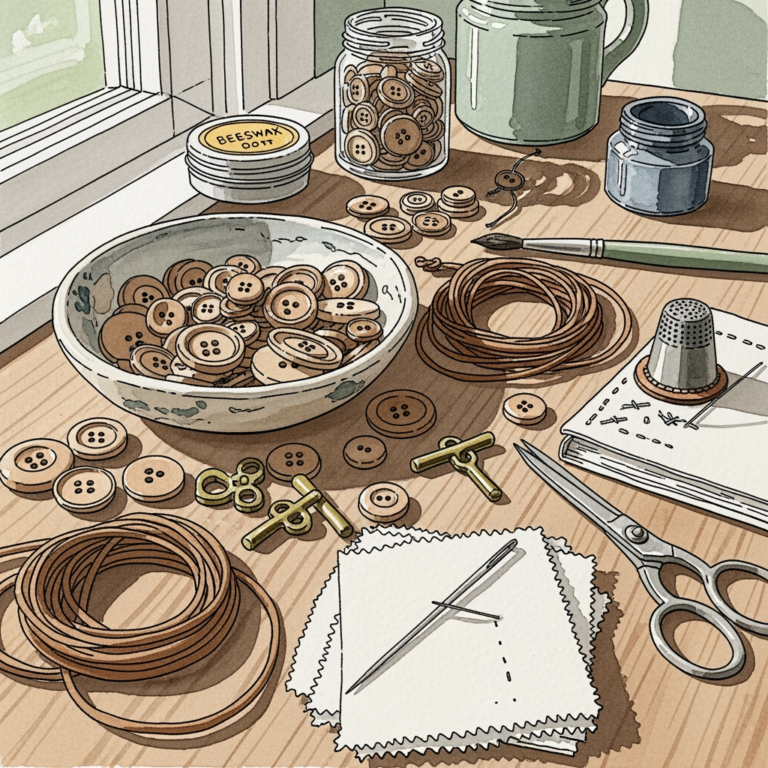
For larger capes, a small decorative button or a miniature toggle adds a sense of realism and charm. Ensure that the attachment point for these closures is reinforced with a small piece of fusible interfacing on the inside of the fabric; this prevents the weight of the closure from pulling through the velvet over time.
Avoid heavy magnetic snaps unless the doll is of a significant scale, as they can be difficult to align and may be visually disproportionate. Focus on fasteners that are functional, discreet, and easy to operate without straining the delicate fabric or the doll’s posing joints.
By mastering the specific behaviors of these six velvet types, you can ensure that every doll cape you craft possesses both the aesthetic beauty and the physical drape required for a professional-grade finish. Happy sewing, and may your fabric choices bring new life to your miniature creations.