6 Best Wardrobe Hangers For Space Saving That Work
Maximize your closet capacity with these 6 best wardrobe hangers for space saving. Read our expert guide to organize your home and shop your favorites today.
Every hand-knitted garment represents hours of focus, from managing tension during complex cable repeats to the final careful blocking process. Proper storage is the unsung hero of garment longevity, ensuring that the structural integrity of the yarn remains intact long after the bind-off. Space-saving hangers offer a practical way to manage a growing collection of sweaters and shawls without compromising the drape or shape of delicate fibers. Choosing the right tool requires balancing efficiency with the physical needs of wool, alpaca, silk, and synthetic blends.
Zober Velvet Hangers: Best Non-Slip Thin Design
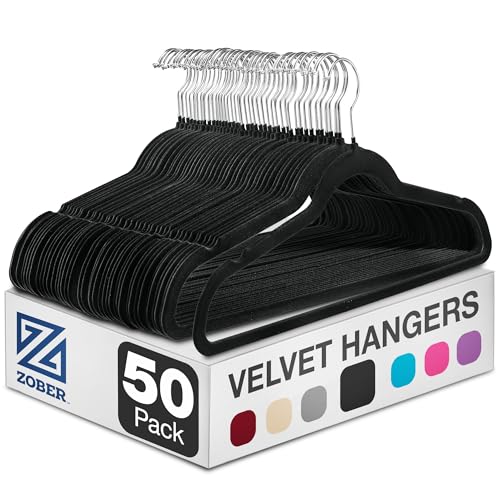

Velvet-coated hangers are the gold standard for preventing silky or lightweight hand-knits from sliding off the frame. The high-friction surface grips the yarn without snagging, which is essential for projects knitted in slippery fibers like bamboo or silk-merino blends.
The slender profile significantly increases rod capacity, allowing for more garment density in a standard closet. However, the lack of shoulder support means they are best reserved for lighter, tighter-gauge projects that are less prone to stretching under their own weight.
Use these for thinner cotton tops or lace-weight shawls that might otherwise slip off traditional plastic hangers. For heavy, worsted-weight wool sweaters, be mindful that the thin frame may cause the shoulders to distort over time.
DOIOWN S-Type Hangers: Top Choice for Trousers

Vertical trouser hangers are remarkably effective for organizing hand-knitted items that do not require full shoulder support, such as structured skirts or even lightweight knitted leggings. The multi-tiered design allows several items to hang on a single hook, utilizing vertical space that often goes to waste.
When using these for knits, ensure the garments are folded neatly over the bars to avoid sharp creases. If the yarn is particularly prone to wrinkling or memory-retention issues, these hangers may be less ideal than those that provide a soft, curved surface.
These are an excellent secondary storage solution for garments that have already been blocked and dried. They are not suitable for wet items, as the lack of airflow between the stacked layers can inhibit proper drying.
House Day 5-Layer Hanger: Best for Lighter Tops
The 5-layer design maximizes space by stacking garments vertically while keeping them accessible. This style is particularly useful for organizing a collection of lightweight, fitted tanks or short-sleeved shirts knitted in lighter gauges.
Because this hanger forces items to hang in close proximity, it works best for robust fibers that do not snag easily. Avoid hanging delicate mohair or loose, open-weave lace on these, as the constant contact and friction between layers can lead to pilling.
Bottom line: reserve this for hard-wearing, plant-based fibers or superwash wools that tolerate frequent handling. It is a powerful organizational tool for the minimalist knitter with a high volume of lighter-weight garments.
Only Hangers Padded Hangers: Protects Delicate Knits
Padded hangers are arguably the safest option for the serious hand-knitter, especially for heirloom-quality garments. The thick, cushioned exterior mimics the shape of human shoulders, which prevents the dreaded “hump” often caused by wire or thin plastic frames.
For heavy, dense sweaters knitted in 100% wool, this level of support is vital. The padding distributes the weight of the garment across a wider surface area, reducing the strain on the shoulder seams and preventing the yarn from stretching out of shape.
While they consume more closet space than thin velvet hangers, the protection they offer is unmatched for delicate, heavy, or heirloom items. They are the top choice for long-term storage of your most cherished sweaters.
SONGMICS Magic Hangers: Maximum Closet Density
Magic hangers utilize a cascading hook system to drop the profile of hanging garments, effectively tripling closet capacity. They are surprisingly sturdy, often constructed from reinforced metal that can handle the weight of several heavy sweaters at once.
This is the ultimate solution for the knitter whose collection has expanded beyond the available closet rod space. The flexibility to hang them horizontally or vertically allows for efficient seasonal rotation of garments.
Exercise caution with fragile, oversized, or loosely knitted cardigans. The weight of multiple heavy sweaters on a single hook can put immense pressure on the top-most garment, potentially causing distortion in the shoulders or neckline.
Proman Kascade Wooden Hangers: Sturdy and Slim
Wooden hangers provide a reliable, stable structure that is less likely to bend under the weight of heavy, hand-spun, or bulky-weight sweaters. The Proman Kascade series offers a slimmed-down wood profile that saves space without sacrificing the rigidity of traditional wooden frames.
Unlike plastic, wood is naturally moisture-wicking and less prone to building up static electricity, which is a major benefit when storing wool. The smooth, lacquered finish ensures that fibers do not get caught in splinters or sharp seams.
If the closet space is at a premium but the wardrobe consists of heavy, high-quality woolens, these are the best investment. They bridge the gap between space-saving convenience and professional-grade garment preservation.
How to Choose the Right Space-Saving Hanger
Choosing a hanger is as much about the fiber content as it is about the available space in the closet. Consider the following criteria when making a purchase:
- Fiber Weight: Heavy wool requires wide, structured shoulders; cotton or synthetics can handle thinner profiles.
- Gauge: Loosely knitted, open-lace garments need more support to prevent stretching compared to dense, tight-gauge fabrics.
- Yarn Texture: Super-soft, halo-heavy fibers (like mohair) are prone to pilling; avoid hangers that create friction or store them folded instead.
- Closet Depth: If the rod is cramped, look for vertical-space-saving designs, but always prioritize the garment’s shape first.
Why You Shouldn’t Hang Most of Your Knitwear
The most common mistake in sweater care is hanging heavy knits for long-term storage. Gravity is the enemy of a well-fitted garment; when a sweater hangs, the weight of the fabric pulls downward, inevitably leading to distorted shoulders, sagging necklines, and lost stitch definition.
While lightweight, tight-gauge garments may survive a season on a hanger, heavier sweaters will almost always lose their intended fit over time. If a sweater feels heavy in the hands, assume it should be folded rather than hung.
Hanging should be reserved for short-term rotation or for garments that are structured enough to handle the stress. If you notice a “v” shape developing at the shoulder seams, it is time to move that garment to a drawer.
Folding vs. Rolling: Storing Your Handmade Knits
When hanging is not an option, folding or rolling is the preferred method for maintaining the longevity of the fabric. Folding is standard, but rolling is an excellent way to prevent deep creases, especially in softer, lofty yarns like cashmere or alpaca.
To roll, lay the sweater flat, fold in the sleeves, and roll the garment from the bottom hem to the collar. This method is also highly efficient for packing, as it minimizes the volume of the knit while preventing the fabric from getting crushed.
Always ensure the garment is completely dry before folding or rolling. Any residual moisture—even from high humidity—can encourage mildew or weaken the fibers when the garment is kept in a dark, enclosed space.
Banish Shoulder Bumps from Hangers for Good
Shoulder bumps are the result of the hanger ends pressing into the fabric, effectively “blocking” the shoulder seam into a peaked shape. To avoid this, look for hangers with rounded, contoured ends rather than pointed tips.
If a favorite hanger is too narrow for a specific sweater, place a small piece of foam or a folded washcloth over the ends of the hanger. This padding provides a softer curve that absorbs the pressure and preserves the shoulder line.
Alternatively, feed the hanger through the bottom of the sweater rather than the neckline. This prevents the collar from being stretched out by the hanger frame and maintains the integrity of the neck bind-off.
Space-saving hangers are indispensable for the organized knitter, yet they must be selected with the physical properties of the yarn in mind to avoid damaging the hard work poured into every project. By matching the hanger type to the weight and fiber content of the garment, you ensure that your knits maintain their shape, structure, and beauty for years to come. Ultimately, the best storage system is one that balances efficient space management with the gentle preservation your handmade items deserve.