6 Best Acid-Free Folders For Storing Quilting Templates
Protect your quilting templates with our top 6 picks for acid-free folders. Prevent yellowing and damage by organizing your supplies today. Click to shop now.
Quilting templates are the backbone of precise, heirloom-quality work, much like a well-calibrated needle gauge is to a complex lace pattern. Storing these plastic or acrylic tools requires the same care given to vintage lace or fine silk yarn to prevent warping, yellowing, or chemical degradation. Using the wrong storage material can leach plasticizers into your tools, turning them sticky and fragile over time. Proper archival storage ensures your favorite templates remain as accurate as the day they were first purchased.
Smead Poly Project Folder: Best Overall Pick
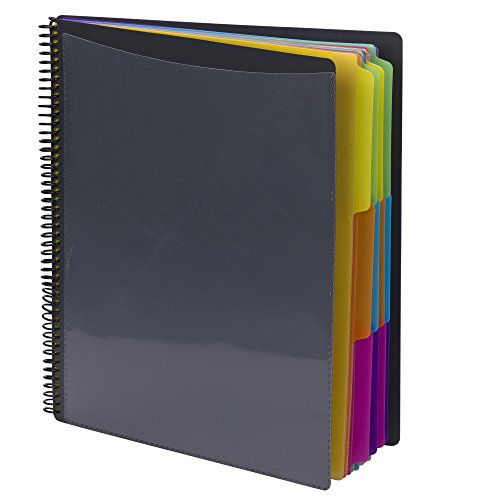

The Smead Poly Project Folder stands out because of its dual-pocket design, which mimics the structure of a good notions organizer. These folders are made from moisture-resistant, acid-free polypropylene that won’t react with the acrylic surface of your quilting templates.
For the quilter juggling multiple blocks, the clear front window allows for instant identification of the template style without needing to dump out the contents. This is a game-changer when working on a massive project like a queen-sized sampler quilt where you have dozens of different shapes in play.
Because these folders are durable and flexible, they won’t crack if accidentally dropped or squeezed into a crowded craft cabinet. The snap closure ensures that even the smallest template pieces remain secure rather than sliding into the dark corners of a storage bin.
StoreSMART Plastic Sleeves: Best for Bulk Templates

StoreSMART plastic sleeves are the professional’s choice for organizing a massive template library. Their archival-safe, non-glare plastic prevents the dreaded “sticking” effect that can occur when templates sit pressed against low-quality vinyl for long periods.
These sleeves are ideal for quilters who store their templates in three-ring binders. By using adhesive strips or punched holes, you can create a digital-style library where every square, hexagon, and diamond is visible and accessible.
This bulk approach works particularly well for those who keep templates sorted by pattern type or size. While the sleeves are thin, they are specifically formulated to avoid the chemical interactions that cause plastic to yellow. If you have an overwhelming collection, this is the most space-efficient method available.
Amazon Basics Poly Folders: Best Budget Option

The Amazon Basics Poly Folders provide a straightforward, no-nonsense solution for those who want to protect their tools without spending a fortune on specialty archival gear. While they lack some of the heavy-duty reinforcements of pricier alternatives, their polypropylene construction is naturally acid-free.
These folders are perfect for holding thin acrylic or stencil-style templates that don’t require rigid support. Because they are inexpensive, it is easy to dedicate one folder to each specific project or quilt theme, keeping your workspace as tidy as a well-managed knitting stash.
The primary trade-off is the closure mechanism, which is often a simple flap rather than a snap or zip. They are best suited for templates that will remain stationary on a shelf rather than being tossed into a travel bag for a quilting retreat.
Itoya Art Profolio: Best for Large Quilt Templates
The Itoya Art Profolio is designed for artists and photographers, making it the perfect choice for the quilter who uses oversized templates. The glassine-like sleeves are completely archival, protecting delicate stencil edges from scratching or environmental damage.
These are essentially books with permanent, clear pages that keep templates lying perfectly flat. For large-scale quilting projects that require long, straight-edge guides or large curves, this prevents the warping that happens when items are stored on their sides or edges.
It is a significant investment, but it protects templates that are often expensive and difficult to replace. If you consider your quilting tools to be an investment in your craft, this level of protection is worth the premium.
C-Line Polypropylene Folder: Best for Portability
C-Line folders offer a robust, semi-rigid structure that is superior for quilters who travel to classes or guilds. The polypropylene material is exceptionally smooth, which makes sliding templates in and out effortless, even when the folder is packed tight.
These folders are slim enough to fit into the side pocket of most rolling craft totes without adding unnecessary weight. The material is tough enough to withstand the wear and tear of travel, ensuring your sharp-edged templates don’t puncture the packaging.
Because they are so compact, they prevent the “clutter creep” that often happens when tools are loose in a bag. When you arrive at your destination, you can see exactly what you have without rummaging through a disorganized mess.
Gaylord Archival File Folders: Best Heavy-Duty Pick
Gaylord products are the industry standard for museums and archives, making them the ultimate choice for preserving rare or vintage quilting templates. If you have inherited templates or collected heirloom acrylic pieces, these folders offer unmatched protection from pollutants.
These folders are typically made from buffered, acid-free cardstock or high-grade inert plastic that actively prevents chemical breakdown. Unlike standard office supplies, these are designed to last for decades in temperature-controlled environments.
The main drawback is their specialized nature; they are not as readily available as office-grade folders. However, if long-term preservation of your equipment is a priority, this is the gold standard for your collection.
Why “Acid-Free” Matters for Your Quilt Templates
Acid-free materials are critical because acidic components in standard paper or low-quality plastic can react with the surface of your tools. Over time, this causes the acrylic to become brittle, opaque, or even tacky as the chemicals leach out.
Think of it like choosing the right detergent for a delicate wool sweater; using the wrong chemical composition ruins the fiber. When your templates develop a film or become yellowed, they lose their clarity, making it harder to align patterns accurately on your fabric.
Acid-free storage acts as a barrier, preventing environmental humidity and pollutants from damaging the structural integrity of your tools. Consistent, high-quality storage ensures that the precision of your templates remains as accurate as the day they were manufactured.
How to Choose the Right Folder for Your Templates
Selecting the right folder depends on the size and weight of your template collection. If you possess mostly thin, flexible plastic stencils, a lightweight sleeve or poly folder will suffice.
However, if your stash includes thick, heavy-duty acrylic templates, you need something with a bit more structure. A folder that lacks rigidity will result in templates sliding and stacking at the bottom, potentially causing them to crack if the folder is tilted.
Consider how often you use your tools: frequent use calls for durable, easily accessible folders, while infrequent use allows for more archival, enclosed storage. Always prioritize acid-free materials, as the cost difference is negligible compared to the cost of replacing your set.
Tips for Organizing Your Quilting Template Stash
Start by categorizing your templates by the shapes they produce, such as squares, circles, or specialized blocks. Label the outside of your folders clearly, perhaps noting the specific project or quilt collection they belong to.
Keep your folders vertical in a file box or drawer, which prevents gravity from putting unnecessary stress on the templates at the bottom of the stack. This also makes it easier to pull one set out without disrupting the entire collection.
Periodically inspect your templates for any signs of surface residue. If you notice a film forming, wipe them down with a mild, lint-free cloth and re-sleeve them in fresh acid-free material to prevent further degradation.
Beyond Folders: Other Template Storage Solutions
While folders are excellent for flat storage, some quilters prefer hanging systems. Using metal clips to suspend templates on a rack allows for rapid access and keeps them entirely flat without the risk of bending.
For smaller, intricate templates, magnetic sheets in a metal bin can be an effective way to keep things organized. This prevents small pieces from becoming lost and keeps them strictly within sight.
Ultimately, the best storage solution is one that fits into your current workflow. Whether it is a dedicated binder, a vertical file, or a custom wall-mounted rack, consistency is the key to maintaining your equipment and ensuring your future quilting projects are as precise as possible.
Proper template storage is just as essential to the quilter’s craft as having the right needle size for the right yarn. By investing in the right acid-free materials, your tools will remain sharp and accurate, ensuring that every project comes together with the precision you expect.