6 Best Felt Mats For Card Protection To Consider
Protect your valuable collection with our top 6 picks for the best felt mats for card protection. Read our guide to find the perfect playmat for your setup today.
Hand carding is the rhythmic foundation of creating custom yarn, yet the process can be taxing on the hands and messy for the workspace. A high-quality felt mat serves as a dedicated station that stabilizes tools and captures stray fibers, preventing the constant migration of wool across a room. Choosing the right surface transforms a tedious chore into a controlled, meditative preparation process. These six options provide the necessary friction and protection to keep fiber prep organized and efficient.
Ashford Carding Cloth: Best for Serious Spinners
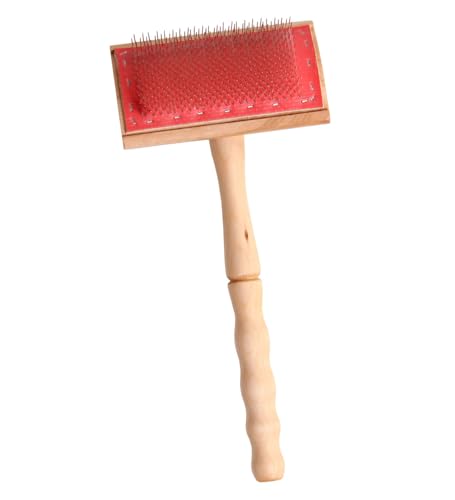

Ashford is a standard in the fiber industry, and their carding cloth mat reflects a deep understanding of the mechanical needs of a spinner. It provides a dense, structured surface that mimics the bed of the hand cards themselves, offering exceptional grip for long-staple fibers.
If a workspace consists of a slick wooden table, these mats prevent cards from sliding during the flick-carding process. They are designed to withstand the pressure of heavy-duty use without tearing or deforming over time.
The primary tradeoff is the stiffness, which may feel less “cushioned” than wool-based alternatives. However, for those preparing large batches of roving for high-twist plied yarns, this durability is the gold standard.
Schacht Lap Carding Mat: Top Pick for Comfort
The Schacht Lap Carding Mat prioritizes ergonomics, acknowledging that fiber prep often occurs in a favorite armchair rather than at a dedicated drafting table. Its composition provides enough give to support the wrists during the repetitive motions of carding.
Using a softer mat reduces fatigue when processing high-volume projects like bulky-weight sweaters. The mat’s surface keeps the carding paddles stationary on a lap, preventing the sharp wires from damaging upholstery or clothing.
It is worth noting that while the material is comfortable, it requires occasional cleaning to maintain its grip. This mat is ideal for those who value long-session comfort over absolute structural rigidity.
Howard Brush Non-Skid Mat: Best Budget Option
Functional fiber tools do not always need to carry a premium price tag to be effective. The Howard Brush Non-Skid Mat offers a utilitarian design that focuses entirely on preventing tool slippage during the blending process.
This mat is thin and lightweight, making it an excellent choice for a minimalist tool kit. It provides just enough friction to lock carding paddles in place, even when working with slippery fibers like alpaca or silk blends.
Budget options sometimes lack the aesthetic appeal of artisanal products, but for the practical maker, functionality is paramount. Expect a straightforward, no-nonsense tool that performs exactly as intended for years.
The Woolery Hand-Dyed Mat: Most Stylish Choice
A studio space is a creative sanctuary, and many makers prefer tools that serve as both functional equipment and visual inspiration. The Woolery’s hand-dyed mats bring a touch of color and artisan flair to a fiber prep station.
These mats are typically made from high-quality felt that balances beauty with density. They are dense enough to prevent fiber from burying itself deep into the mat, which is a common problem with lower-quality synthetic foams.
While style is a subjective benefit, the quality of the felt here is undeniably high. Choosing a dyed mat that matches a color palette can keep a workspace feeling cohesive and organized.
Clemes & Clemes Wool Mat: Most Durable Surface
Wool-based mats offer a natural “grab” that synthetic materials simply cannot replicate. Clemes & Clemes, a brand synonymous with heritage-grade equipment, produces a mat that is as resilient as it is functional.
Because the surface is made of dense wool felt, it naturally grips fiber hooks and tool bases with remarkable tenacity. This creates a secure “nest” for tools, making the carding motion feel smoother and more consistent.

This mat is an investment piece meant to last for decades of active fiber processing. Its ability to withstand the pressure of heavy metal carding tools without shredding makes it superior for intense studio use.
Louët Blending Mat: Best for Travel & Portability
Fiber artists often find themselves prepping wool at workshops, guilds, or while traveling. The Louët Blending Mat is designed for the mobile maker, offering a compact footprint that rolls up easily for storage or transport.
Despite its portability, it does not sacrifice the friction required for effective blending. It creates a stable, portable work surface that works just as well on a hotel desk as it does on a kitchen island.
It is an excellent choice for those who need to maintain a professional standard of blending regardless of their location. Keep in mind that a smaller surface area requires a disciplined approach to keep loose fibers contained.
Do You Really Need a Mat for Hand Carding?
Strictly speaking, one can card fiber on almost any surface, but doing so without a mat invites frustration. Without the grip provided by a felt mat, hand cards slide across the table, causing the user to compensate by using more physical force.
This excess tension leads to wrist strain and uneven fiber distribution. Mats are not just about surface protection; they are about energy conservation.
Furthermore, a mat captures the “flyaway” fibers that inevitably shed during the process. By using a dedicated mat, the workspace stays cleaner, and more of that expensive, hand-dyed roving ends up in the final yarn rather than on the floor.
What to Look For in a Fiber Carding Mat
When selecting a mat, consider the density of the felt and the overall size of the workspace. A mat that is too thin will allow the sharp wires of the carders to reach the table surface, while a mat that is too soft may cause the cards to feel unstable.
Look for these features: * Density: High-density felt provides better longevity. * Surface texture: A slight nap provides more grip than a perfectly smooth surface. * Thickness: Aim for at least 3mm to protect both the cards and the furniture. * Size: Ensure the mat is at least twice the width of a single carding paddle.
Avoid mats with synthetic rubber backings that might degrade or leave residue over time. Natural wool felt or high-grade industrial felt remains the gold standard for fiber work.
How to Clean and Care For Your Carding Mat
Fiber preparation is an inherently dusty process, and mats will eventually accumulate loose bits of wool and vegetable matter. Regular maintenance involves a simple brush-down after every session to prevent fiber buildup.
For deeper cleaning, use a vacuum with a soft brush attachment. If the mat becomes matted or loses its grip due to oils from the fiber, a gentle hand wash with a wool-safe detergent and cold water is usually sufficient.
Avoid heat sources, as extreme temperatures can shrink or misshape felted surfaces. Always allow the mat to air dry flat to ensure it maintains its original geometry for future use.
Using Your Mat for Blending and Color Control
The mat is a critical tool for achieving sophisticated color gradients. By spreading small amounts of different dyed fibers across the mat before loading the carders, it is possible to plan the color density of the final batt.
Use the mat as a visual canvas to preview how different colors interact before they are permanently blended. This is particularly useful when blending high-contrast colors for self-striping yarns or subtle heathered effects.
Treat the mat as a secondary workspace where fiber is layered and prepared for the carders. Mastering this “staging” phase significantly reduces the number of passes needed through the cards, preventing the fiber from becoming over-processed or “felted” before it ever hits the wheel.
A well-chosen felt mat acts as the unsung hero of the fiber prep station, grounding the rhythmic work of carding in stability and comfort. Whether selecting a heavy-duty wool surface for long hours in the studio or a portable mat for travel, the focus should remain on the balance between friction and durability. Investing in the right foundation ensures that the focus stays exactly where it belongs: on the beauty and potential of the raw fiber.