6 Best Compression Wrist Wraps For Repetitive Strain
Stop wrist pain with our expert review of the 6 best compression wrist wraps for repetitive strain. Read our guide to find your perfect support and shop today.
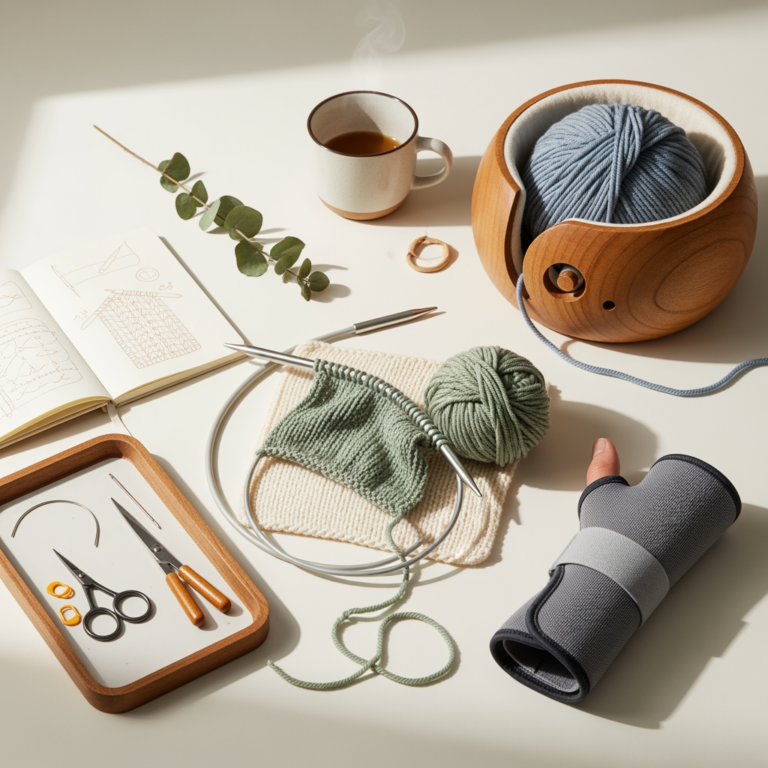
The rhythmic, repetitive flicking of the wrist during a marathon knitting session often leads to inflammation that can sideline a project for weeks. Whether working with rustic, high-twist wools that resist movement or slippery silk blends that require constant tension adjustments, the wrists bear the brunt of the load. Choosing the right compression wrap is not just about medical relief; it is about protecting the longevity of a craft. Investing in proper support allows for more hours behind the needles without the creeping ache of tendonitis.
Mueller Green Fitted Wrist Brace: Best Overall


The Mueller Green series stands out because it balances structural integrity with an eco-conscious design. Its primary advantage is the combination of firm plastic stays and soft, breathable fabric, which prevents the brace from feeling like a heavy cast during long sessions.
When knitting complex cables or heavy blankets, stability is paramount. This brace provides a solid, neutral position for the wrist, effectively reducing the strain that accumulates when pushing needles through dense, worsted-weight fabrics. It minimizes the excessive flexing that leads to repetitive strain.
However, the stiff internal supports may feel intrusive for fine lace work where dexterity is key. If the project involves delicate beadwork or intricate lace charts, the bulk might impede the fine motor skills required for tricky maneuvers. It remains the gold standard for long-term comfort, provided the wearer finds the rigid support manageable for their specific knitting style.
Copper Compression Gloves: Best for Warmth

Copper-infused fabric is often marketed for its healing properties, but the real benefit for knitters lies in the consistent, gentle compression and thermal retention. These gloves keep the joints pliable, which is essential for those who suffer from stiffness in the early morning or in cooler, drafty studios.
The primary appeal here is the open-finger design. It allows for complete tactile feedback, letting the fingers grip various needle materials—such as slick nickel-plated or grippy bamboo—without any interference. This is ideal for fine-gauge knitting where you need to feel every strand of yarn.
The trade-off is the lack of structural support for the wrist itself. These gloves excel at managing general soreness or cold-induced aches, but they do not provide the mechanical limitation needed to prevent worsening injuries. They act as a warming layer rather than a corrective device.
Vive Wrist Brace: Best Ambidextrous Support

Versatility is the core strength of the Vive brace. Because it can be easily adjusted to fit either the left or right hand, it is a practical choice for knitters who rotate their projects or experience pain that migrates from one hand to the other.
The design features a removable splint, allowing for a spectrum of support. You can start with full stabilization during high-intensity periods—like finishing a sweater sleeve—and transition to light compression as the inflammation subsides. This flexibility is invaluable for maintaining consistent tension.
Be aware that the hook-and-loop straps can occasionally catch on delicate fibers like mohair or loose-twist roving. To prevent snags, ensure the straps are completely closed before handling any open-work projects. With careful use, it offers a reliable, one-size-fits-most solution.
Bracoo WS10 Adjustable Wrap: Best for Budget

The Bracoo WS10 is a simple, no-nonsense compression strap that gets the job done without unnecessary bells and whistles. It is perfect for knitters who need a quick, affordable way to apply focused pressure to the wrist joint without the bulk of a full brace.
Its lightweight neoprene material provides excellent warmth and targeted support. Because it is a wrap-style closure, you can micro-adjust the compression level based on how much the wrist is currently hurting. It is compact enough to throw into a notions bag for travel knitting.
Do not expect medical-grade immobilization from this product. It is intended to offer extra feedback and compression to keep the muscles engaged properly during repetitive movements. For serious, chronic injury, more structural support will likely be required.
Futuro Custom Dial Brace: Best for Fine-Tuning

The Futuro Custom Dial system is a game-changer for knitters who struggle with the “one size fits all” dilemma. It features a unique tension dial that allows for precise, repeatable adjustments to the fit, ensuring the brace stays exactly where it belongs throughout a day of crafting.
This precision is vital when moving between different types of knitting. For instance, if you are knitting tight, twisted stitches that require more force, you can tighten the dial for extra stability. When switching to a more relaxed, loose tension for garter stitch, you can quickly dial it back to allow more freedom of movement.

The mechanism is sophisticated and durable, though it requires a small amount of extra weight on the wrist. It is a premium option, but for the dedicated knitter dealing with persistent strain, the ability to control the fit so precisely makes it a worthwhile investment.
Neo-G Wrist & Thumb Support: For Thumb Pain
Thumb pain, often caused by the constant pinching motion of holding needles and managing yarn tension, is a frequent complaint among continental knitters. The Neo-G support specifically targets the base of the thumb while providing secondary support to the wrist.
By stabilizing the CMC joint, this brace prevents the excessive thumb movement that can lead to long-term fatigue. It effectively allows the wrist to remain in a natural, neutral position, which takes the stress off the supporting hand. This is especially helpful if you frequently work with heavy projects that require a firmer grip.
Because it covers a larger area, it can limit the range of motion in the thumb slightly more than other braces. You may need a few practice rows to adjust your tensioning style to accommodate the extra support. Once adjusted, however, it offers significant relief for repetitive motion strain.
How to Choose the Right Wrist Wrap for Knitting
- Support vs. Flexibility: If you are tackling a complex project like stranded colorwork, you need enough flexibility to move your fingers quickly. For mindless garter stitch, prioritize maximum structural support.
- Material Compatibility: Avoid materials that have rough edges or exposed Velcro if you tend to work with delicate yarns like alpaca or cashmere, which snag easily.
- The “Weight” Test: Ensure the brace is light enough that your arm does not tire more quickly simply from wearing it.
- Breathability: Knitting is a tactile and sometimes warm activity; breathable fabrics are essential to prevent moisture buildup during summer months or long sessions.
Getting the Right Fit: How to Measure Your Wrist
For the most accurate fit, use a soft measuring tape and wrap it around the narrowest part of your wrist, just below the joint. Ensure the tape is snug but not constricting, as you will be wearing this for hours at a time. If the tape falls between two sizes, always opt for the size that allows for minor adjustments. A brace that is too tight will cut off circulation and lead to hand swelling, while a loose brace will fail to provide the necessary support to mitigate strain.
How to Knit Comfortably With a Wrist Brace
Start by choosing projects that do not require extremely small needles or overly intricate movements while wearing a new brace. It takes time for the hand to learn to compensate for the added bulk and support. Focus on maintaining a consistent gauge by checking your stitches frequently with a gauge ruler, as the brace might slightly alter the way you hold the yarn. Remember that the goal is not to force your old rhythm, but to develop a new, healthier motion that prevents further injury.
Stretches to Prevent Repetitive Strain Injury
- Wrist Flexion/Extension: Gently pull your hand backward to stretch the inner forearm, then forward to stretch the outer forearm, holding for ten seconds each.
- Thumb Circles: Slowly rotate the thumbs to release tension built up from tensioning the yarn.
- Finger Splaying: Open the hand as wide as possible, stretching the fingers away from each other to counteract the gripping motion.
- Neck and Shoulder Rolls: Often, wrist pain originates from poor posture; keeping the shoulders relaxed is just as important as protecting the wrist itself.
By integrating these tools and practices into your craft, you protect your hands for years of future projects. The right support acts as an extension of your knitting kit, ensuring that the only thing you have to worry about is your next color choice or stitch pattern. Comfort is not a luxury, but a necessity for every serious maker.